Is God Formless or Personal? The Three Manifestations of One God
Brahm, Paramatma, and Bhagavan are not different Gods, but different realizations of the one Divine Reality.

Brahm, Paramatma, and Bhagavan are not different Gods, but different realizations of the one Divine Reality.

God is not void or abstraction. The Vedas define His nature as Sat-Chit-Ananda: eternal existence, consciousness, and bliss.
God is the abode of contradictory qualities. Here logic reaches its boundary and humility begins.
If the mind cannot know God, what instrument do we possess? This article examines the limits of intellect.

God cannot be known by material mind, senses, or intellect. This article establishes the first truth about the Divine.
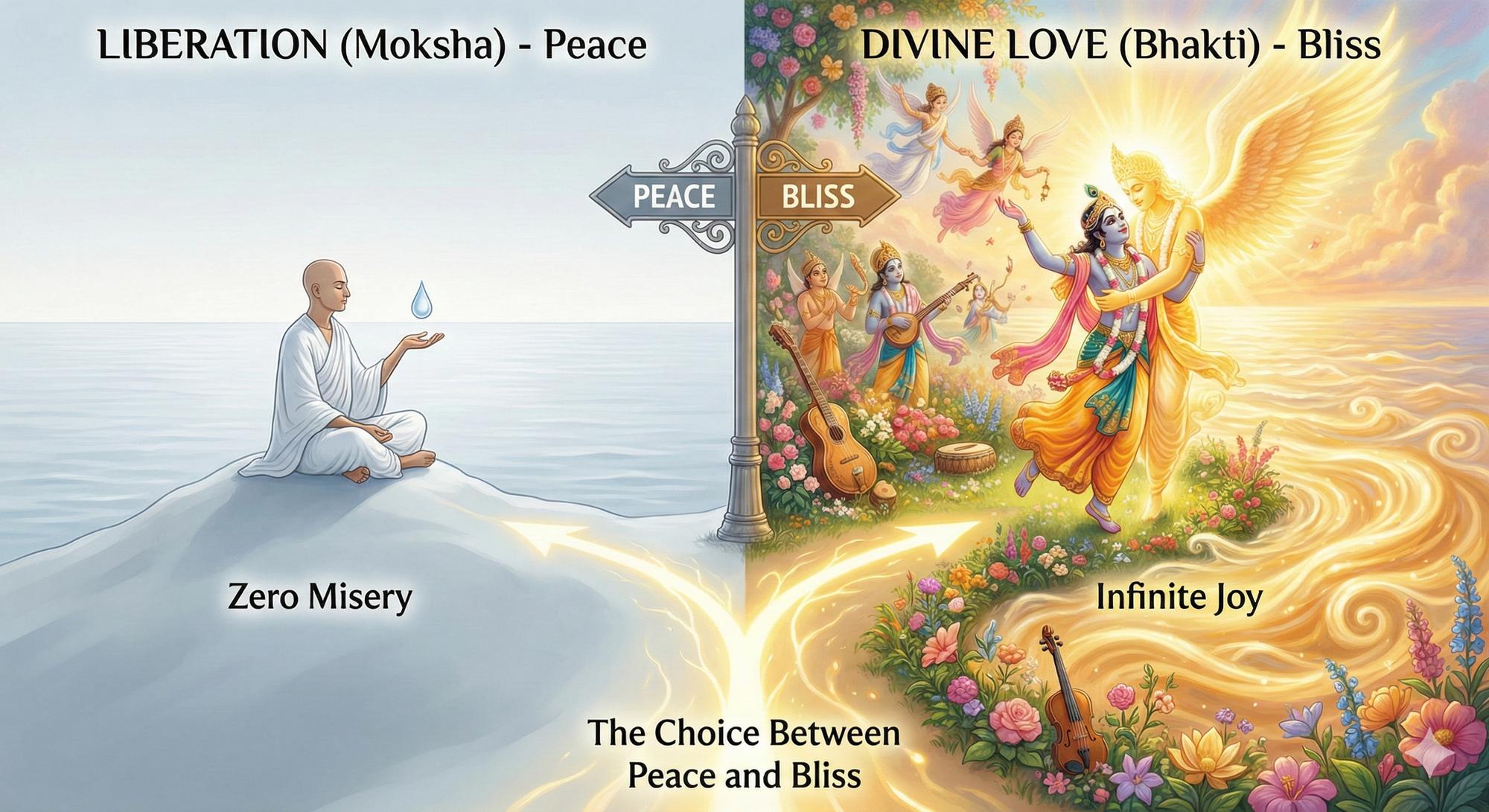
Liberation removes suffering, but divine love grants infinite, ever-increasing bliss. The soul’s ultimate goal is not freedom alone, but loving relationship with God.
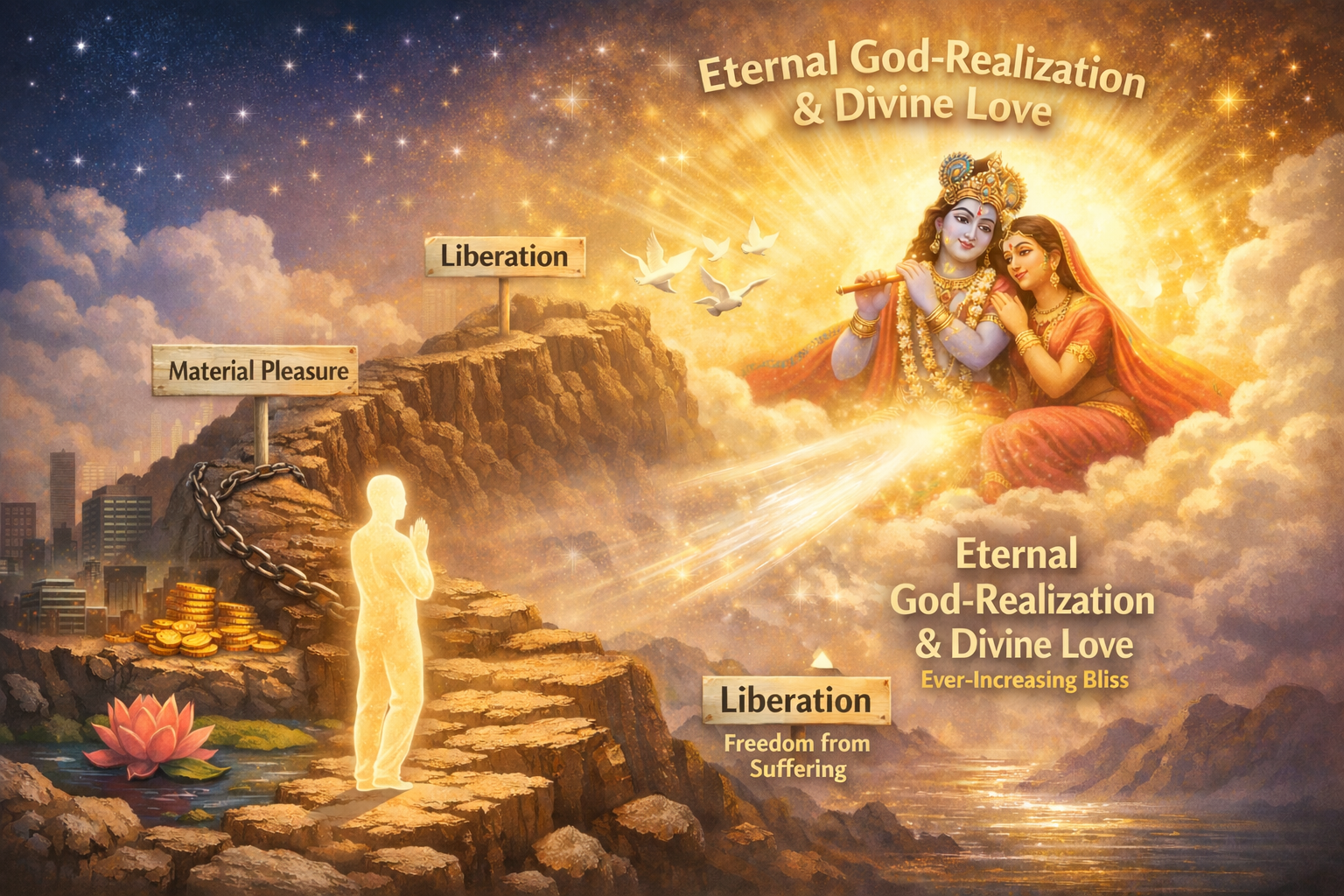
The soul is eternal, and its goal must be eternal. True fulfillment lies not in liberation or knowledge alone, but in attaining God through loving devotion.
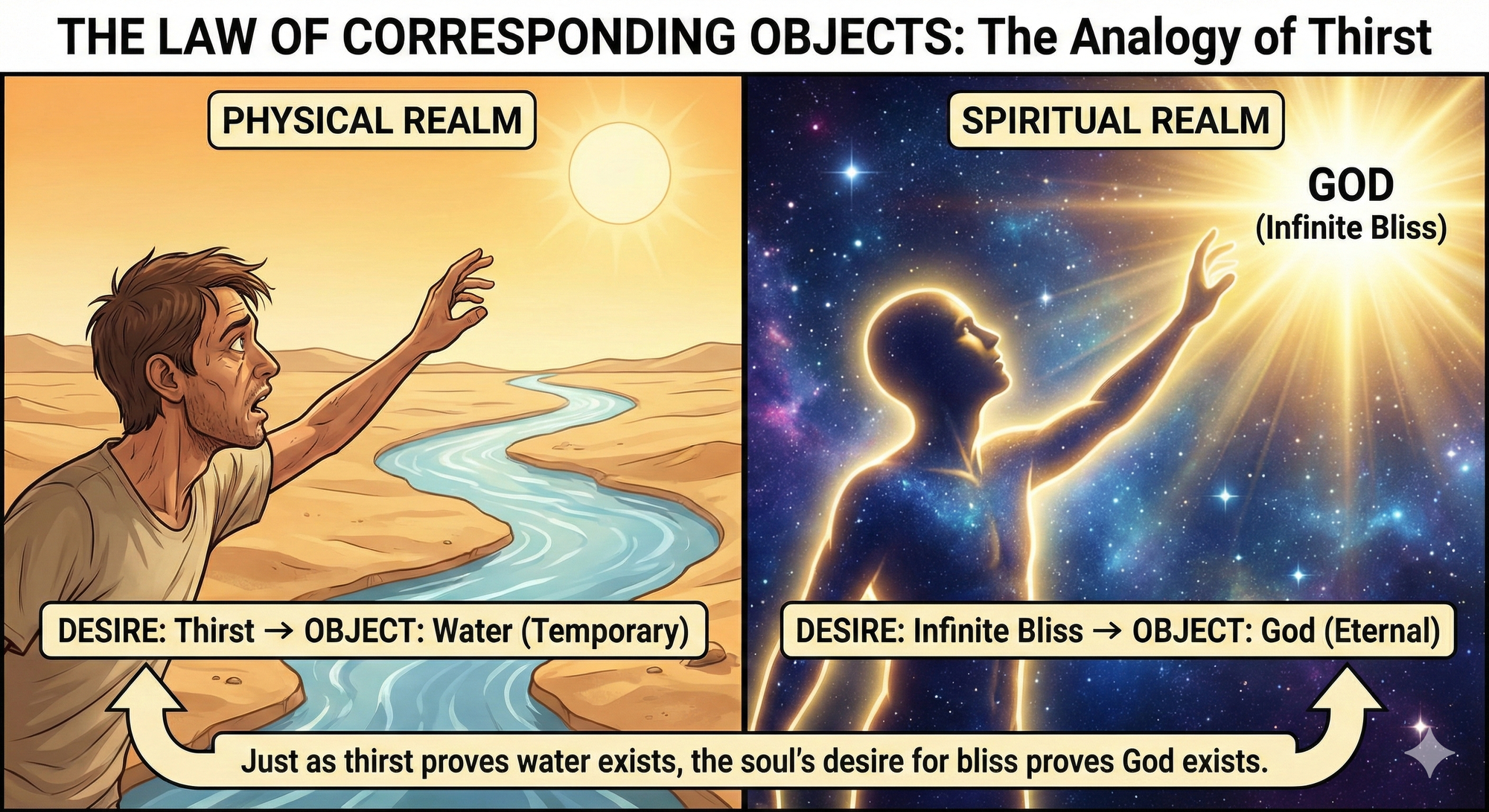
The soul’s longing for infinite happiness points to a real source. Just as thirst proves the existence of water, our desire for bliss points to God.
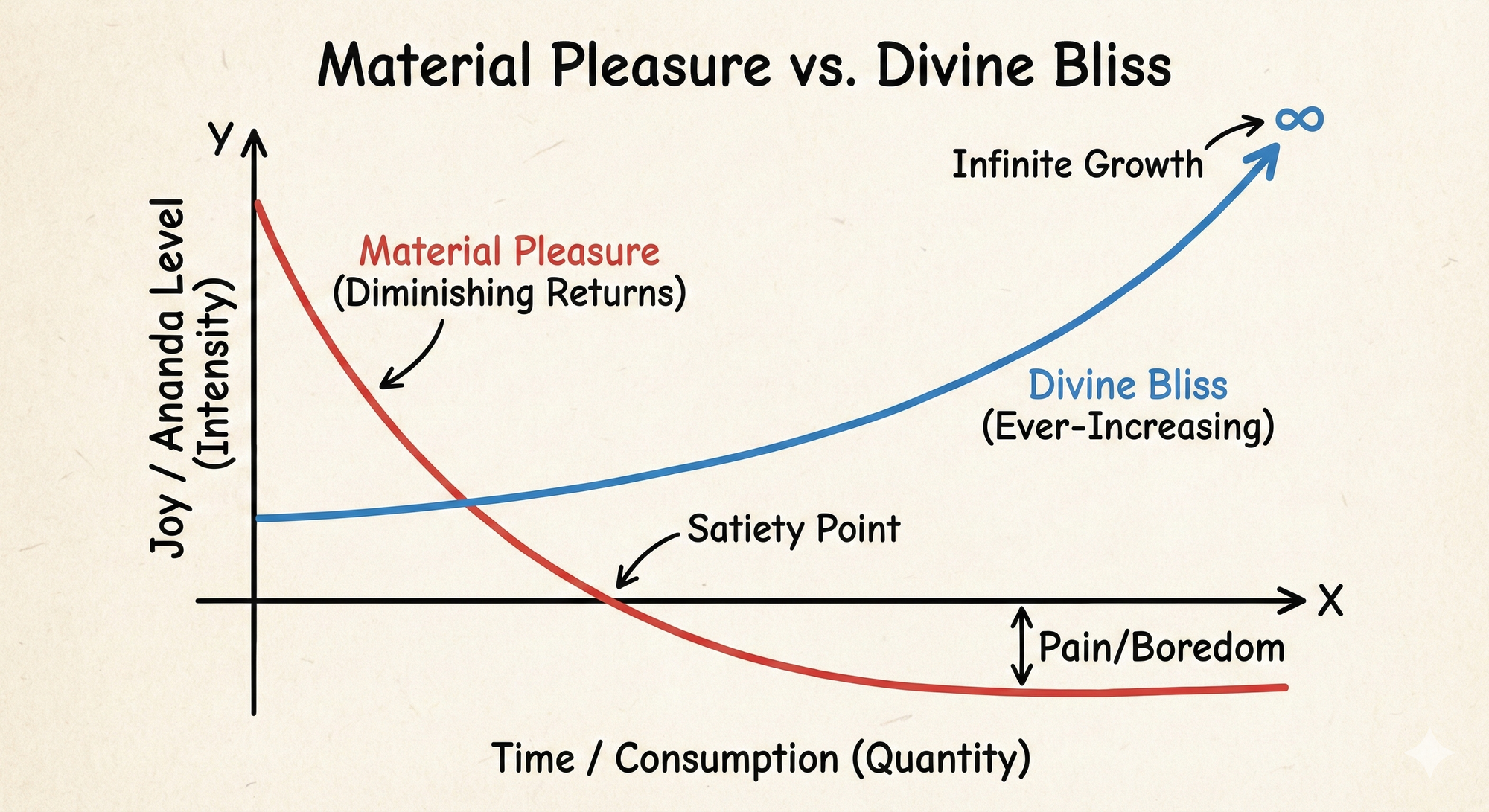
Material pleasure diminishes, disappoints, and often arises from the removal of pain. Divine bliss, by contrast, is ever-increasing and self-existing.
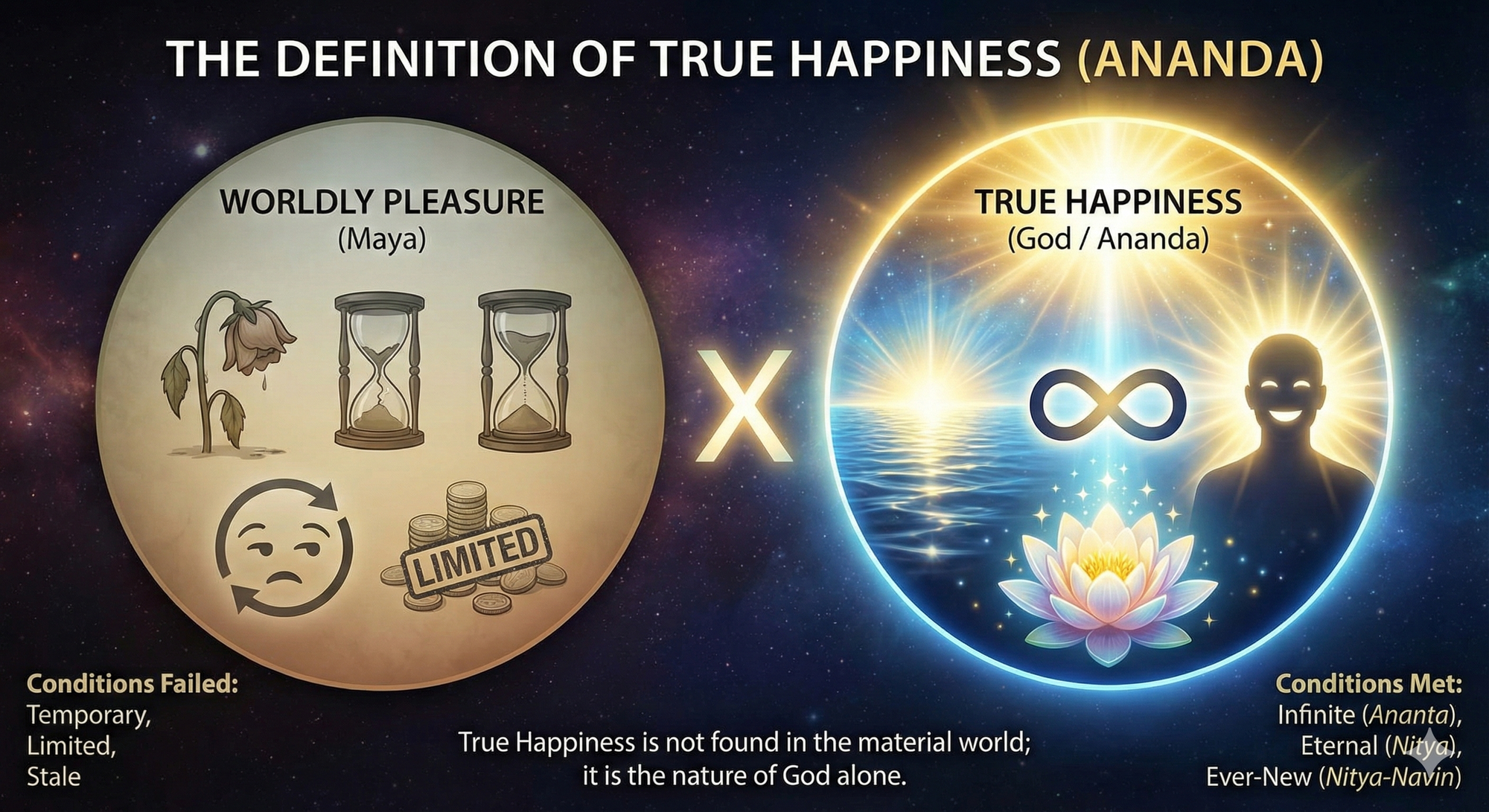
True happiness must be infinite, eternal, and ever-fresh. Anything that fades, diminishes, or becomes stale cannot satisfy the soul’s eternal nature.
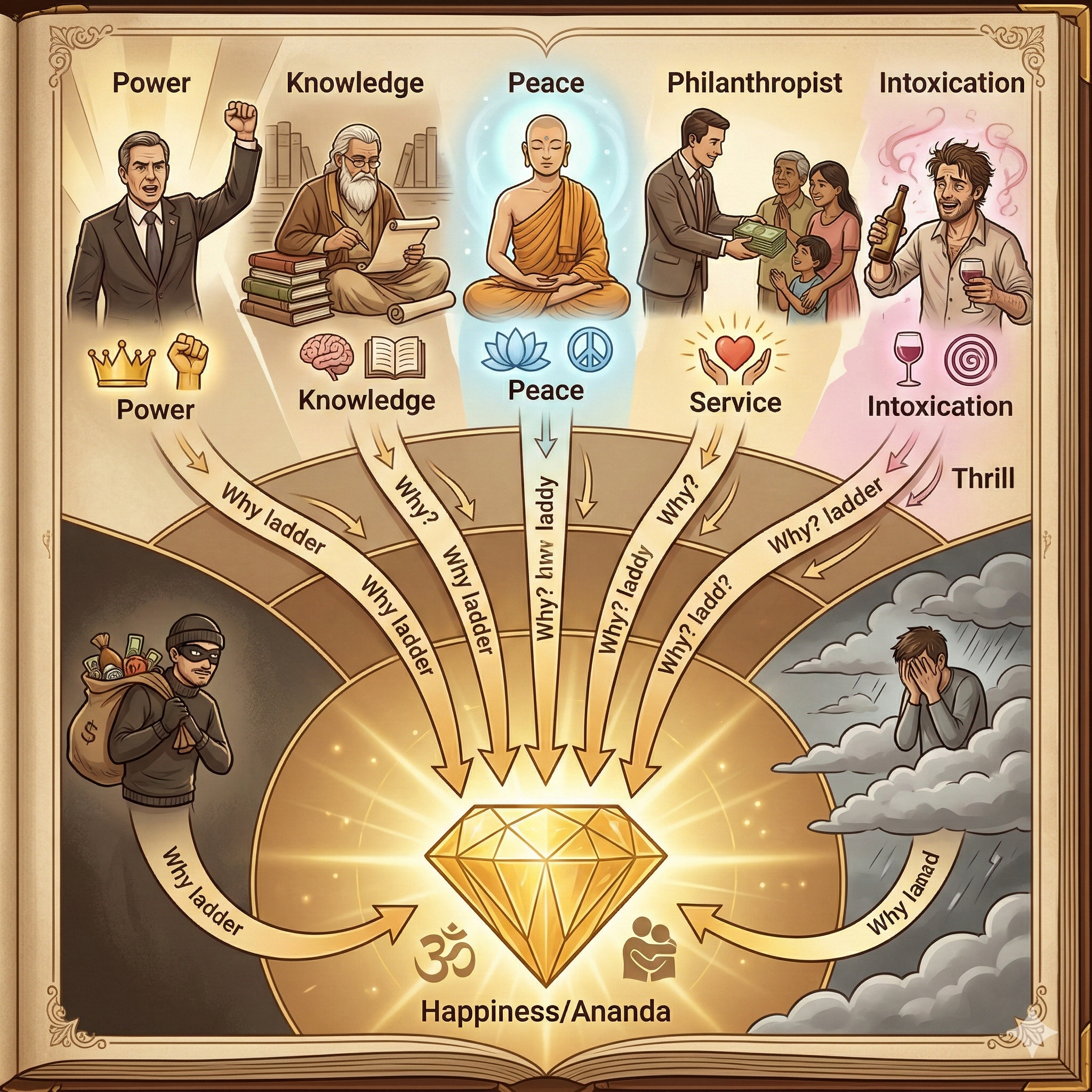
Every action, whether noble or misguided, is driven by the desire for happiness. The methods differ, but the underlying motive remains the same.
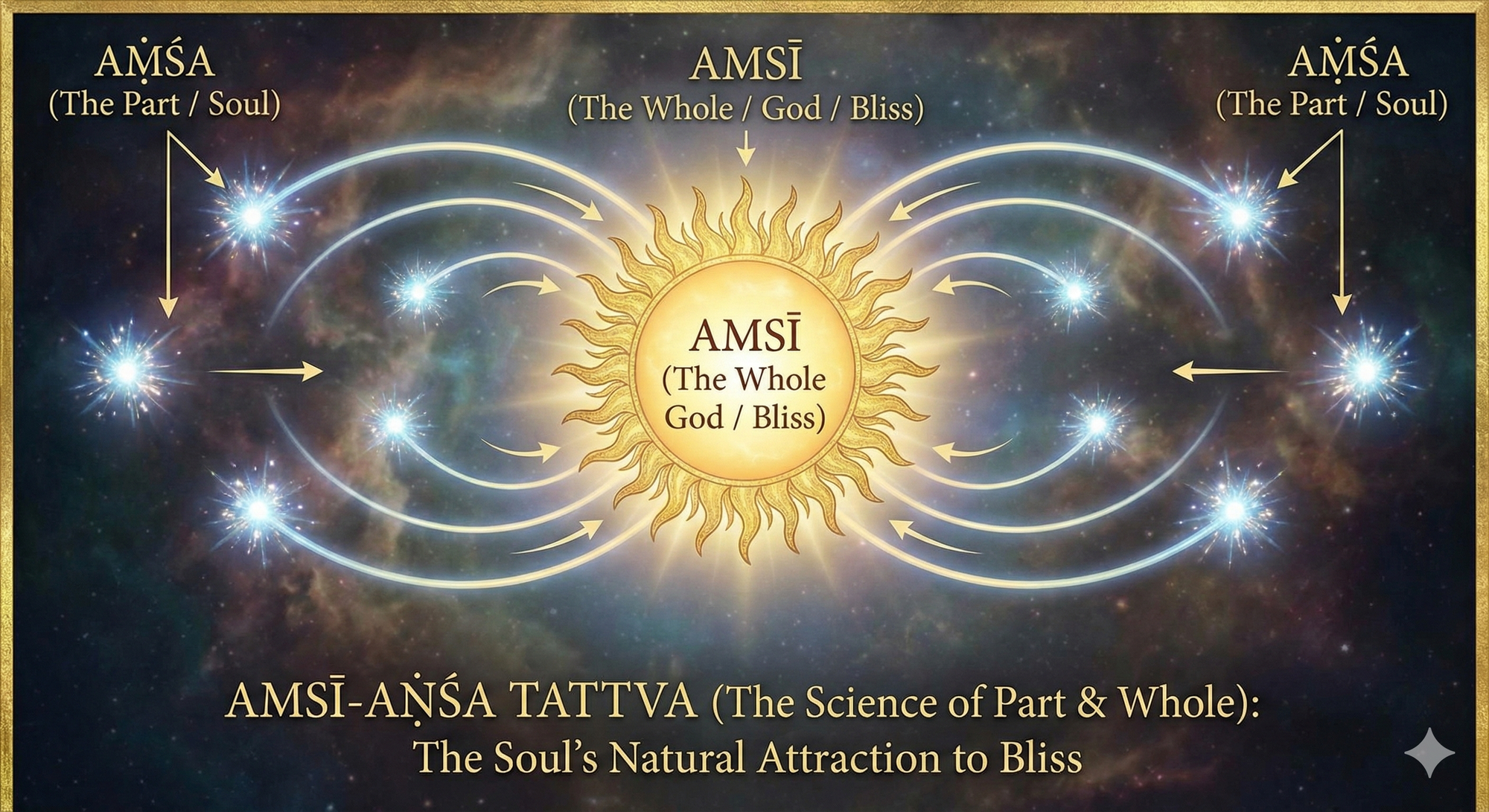
Every being seeks happiness because the soul is a part of God, whose nature is infinite bliss. This desire is not learned; it reveals the soul’s true nature.