
shakha
Shakha (शाखा, śākhā) literally means "branch." In the context of Vedic literature, it refers to a specific concept. Further Reading and Reference * Related Concepts: Upanishad * Reference: Who am I? Who is Mine? Vol. 1, Ch. 2

Shakha (शाखा, śākhā) literally means "branch." In the context of Vedic literature, it refers to a specific concept. Further Reading and Reference * Related Concepts: Upanishad * Reference: Who am I? Who is Mine? Vol. 1, Ch. 2

Question Jagadguruttam Shri Kripalu Ji Maharaj often draws a comparison between the nature of God-realized saints and a birch tree. What is the similarity between these two? Answer: The Ramayan says भुर्ज तरु सम संत कृपाला । पर हित सह नित विपति वि

Yajurveda (यजुर्वेद, yajurveda) is one of the four Vedas. It primarily contains the mantras and detailed instructions required to perform Vedic sacrifices and rituals. Further Reading and Reference * Alternate Spelling: Yajur Veda, Yajurved * Related Concepts: Upanishad * Reference: Who am I? Who is Mine? Vol. 1, Ch. 2
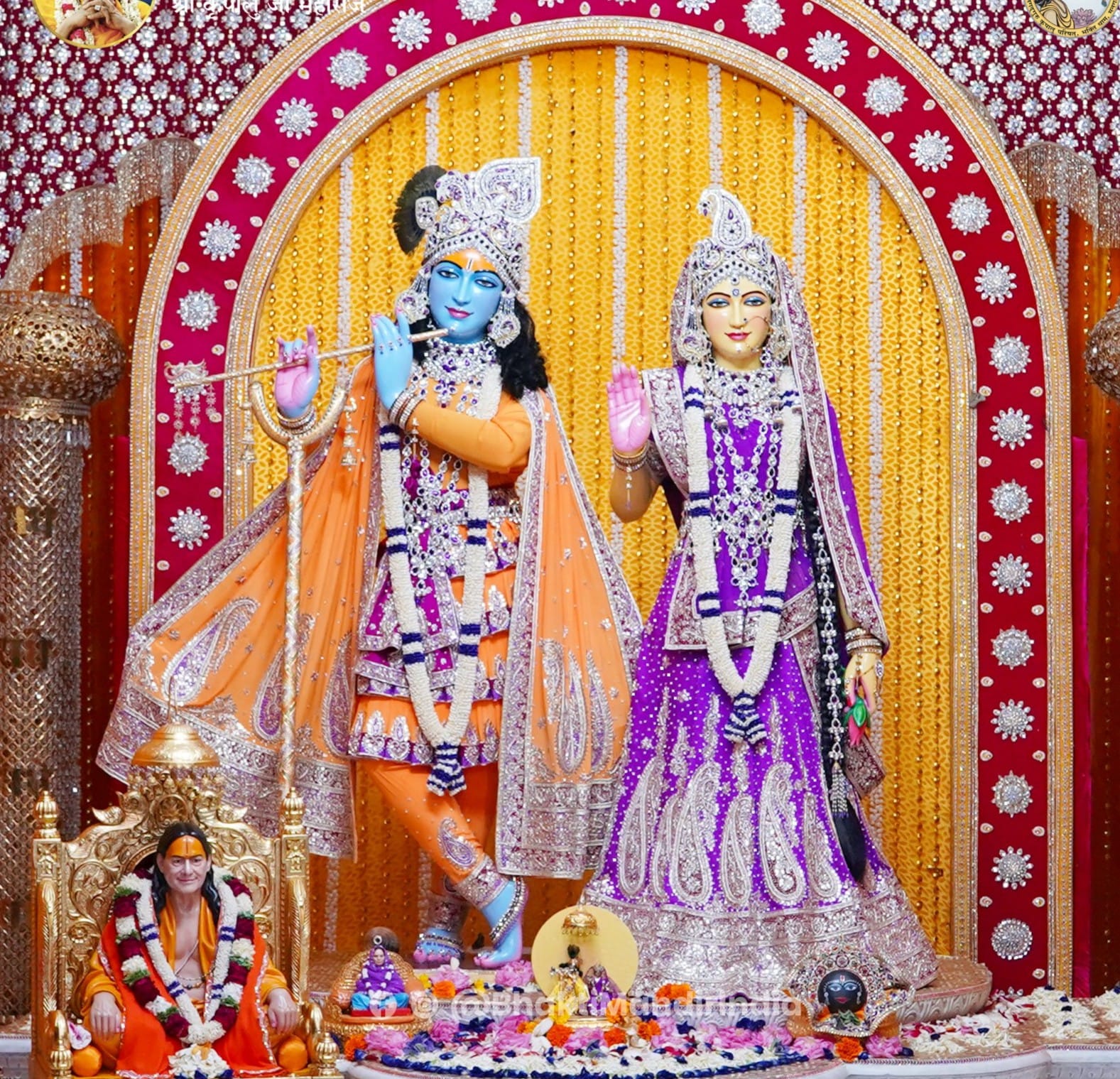
The Murti (मूर्ति) is the divine form for worship. As the true Murti is God's form, the consecrated idol helps the mind achieve God-realization via Rupdhyana.

Akshaypatra (अक्षयपात्र, akṣayapātra) refers to the inexhaustible vessel or divine bowl. The term is derived from Akshaya (un-decaying/inexhaustible) and Patra (vessel). In the Mahabharata, this vessel was gifted by the Sun God (Surya) to the Pandavas during their exile. It provided an unlimited supply of food
Atharvaveda (अथर्ववेद, atharvavēda) is one of the four parts of the Vedas consisting of 50 branches (shakha), comprising verses for averting calamities and bodily afflictions, and for performing religious rites. Further Reading and References * Also written as Atharva Veda, Atharv Ved * Further Reading: rigveda, saamved, yajurveda, When and

Question When God is causelessly merciful or Akaran Karun why does He bestow His grace only when a devotee fully surrenders himself unto Him? It appears that God’s grace is not unconditional. Answer Surrender means the complete submission of the mind (antahkaran) along with submission of the self [1]

Kamadev (कामदेव, kāmadēva) is a celestial devata residing in Svarga. Among all material beings, he is considered the most handsome. Known as the god of conjugal love, Kamadev wields a bow and arrows—anyone struck by his arrow becomes filled with lust. However, his powers have no effect

The Upanishad (उपनिषद्, upaniṣad) are the philosophical essence of the Vedas. Though the exact counts are highly debated, the numbers presented here are based on the teachings of Jagadguruttam Swami Shri Kripalu Ji Maharaj (Shri Maharaj Ji), who was recognized as an undisputed Vedic scholar by the honorable body

Scholars of Sanatan Dharma used to debate on the shastra (scriptures) to deepen their understanding. This debate is called shastrartha (Devanagari: शास्त्रार्थ ISO15919: śāstrārtha). When done as a competition then the winner is recognized as a having more depth understanding of the scriptures. The one
Rigveda (ऋग्वेद, r̥gveda) is the first of the four Vedas. The original body of Vedic knowledge was divided into four distinct books by Sage Ved Vyas, with the Rigveda serving as the foundational text. Further Reading and Reference * Related Concepts: The Vedas: Sacred Knowledge or Mythical Tales?

Rishi (ऋषि, r̥ṣi) signifies an ascetic, sage, or seer. It specifically describes an individual who has attained mastery over their senses through rigorous spiritual practice. Further Reading and Reference * Related Concepts: Rajrishi, Brahmrishi, pancha jnanandriya * Reference: Prema Rasa Siddhanta - Philosophy of Divine Love
Ramayana (रामायण, rāmāyaṇa) chronicles the life and story of Lord Rama. The Sanskrit epic, composed by Sage Valmiki, contains 24,000 verses. However, a widely popular version in North India is the Ramcharitmanas, which was written in a dialect of Hindi (Avadhi) by Saint Tulsidas. Further Reading and

Samaveda (सामवेद; sāmaveda) is one of the four Vedas compiled by Sage Ved Vyas, specifically defining the art of Sama Sangita (melodic chanting). To preserve the precise vibrational potency of its mantras, the text utilizes three distinct tonal accents—Udatta (high), Anudatta (low), and Swarita (middle)—ensuring the
Karma
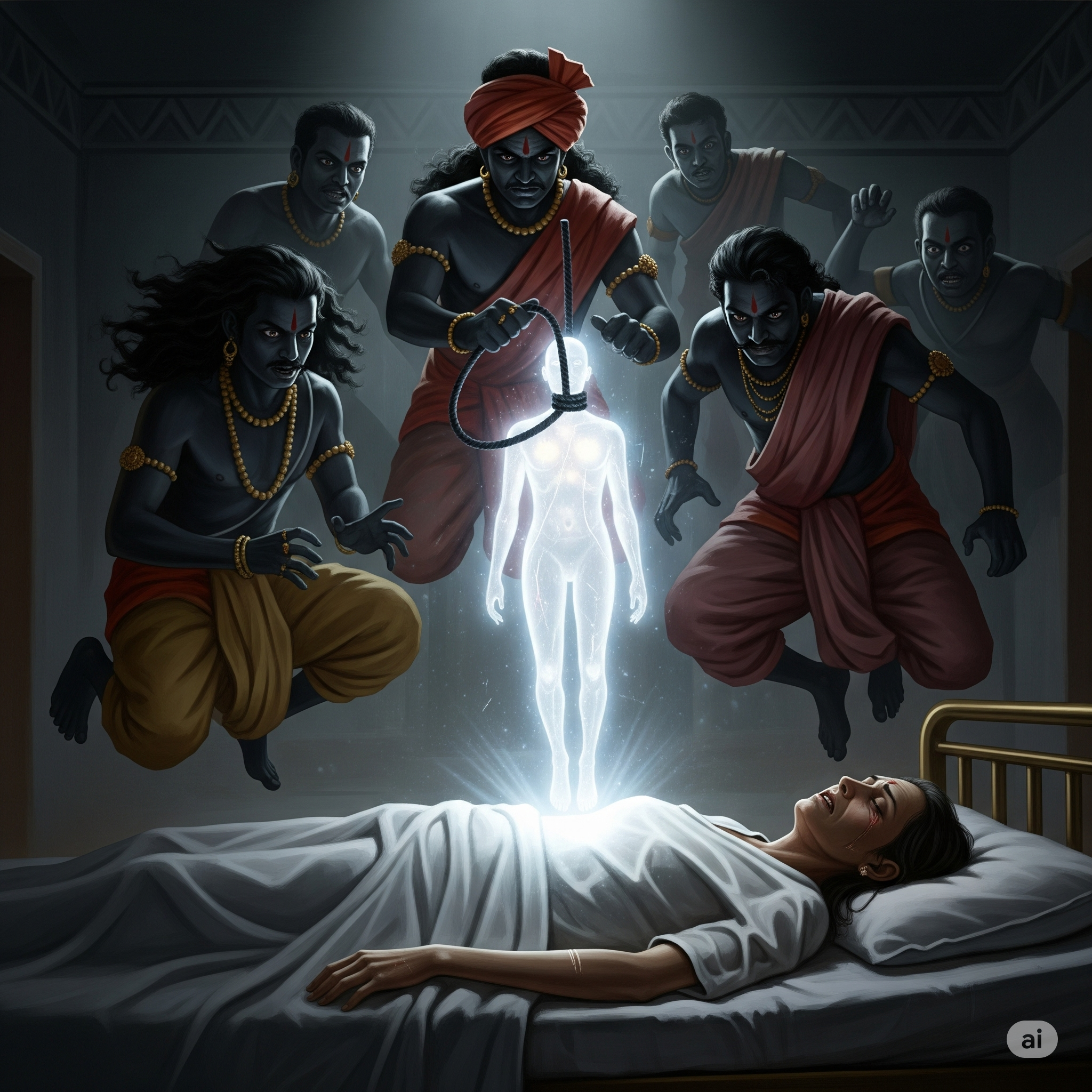
No-one really knows what happens after death, though different people have different beliefs and notions about what could happen after death. So, let us unravel the mystery through the lens of Hindu Scriptures. Reason for Fear of Death The Vedas tell us that jeev is eternal. It has been roaming
Karma
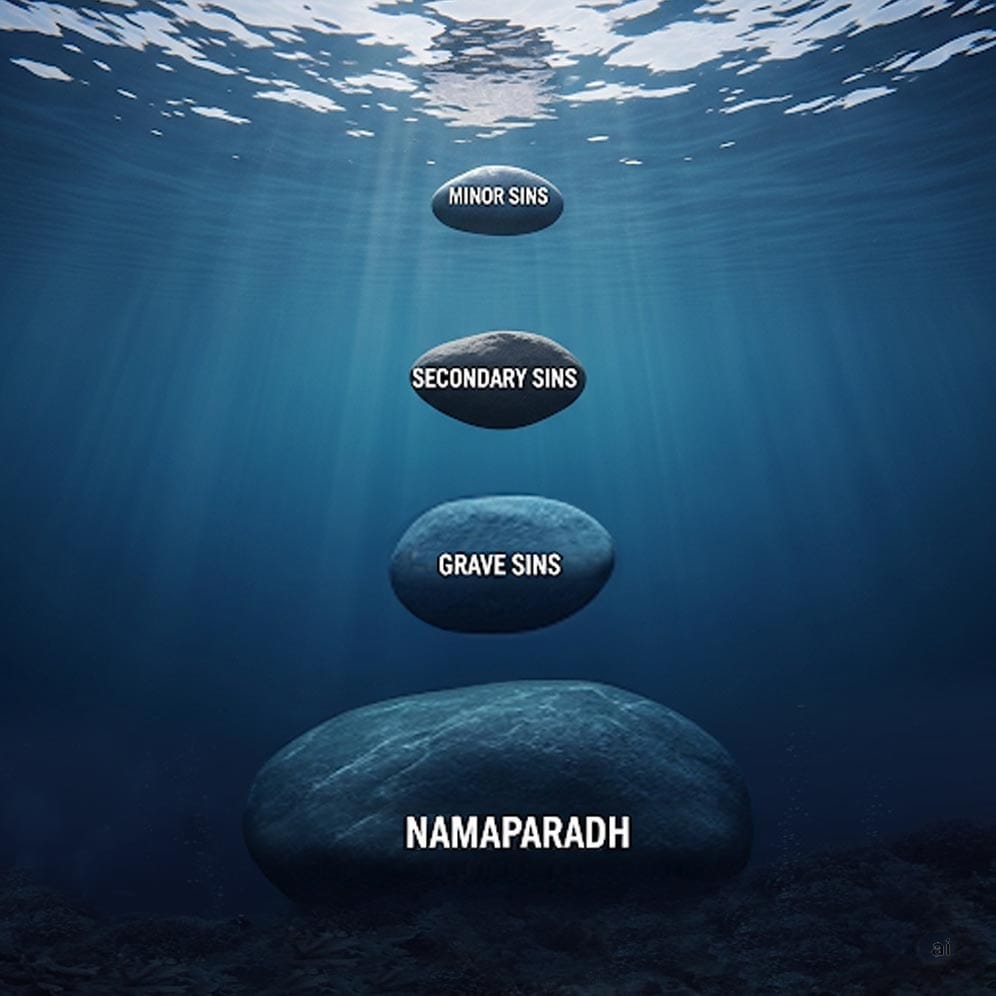
Sin is the most despicable theme of religious philosophies all over the world. In Sanatan Dharm , which is commonly known as Hinduism, Dharma defines the ethics and morals of leading a human life. Transgressing from dharma is called adharma and is considered a sin. The intent to follow dharma is

japa (जगदीश; japa) repetitive chanting of a mantra or name of God. Traditionally people create a chain of 108 rosary beads and keep rotating this in their hands while chanting God's name. As per the divine law physically counting the beads while mind is elsewhere is not
The Saint
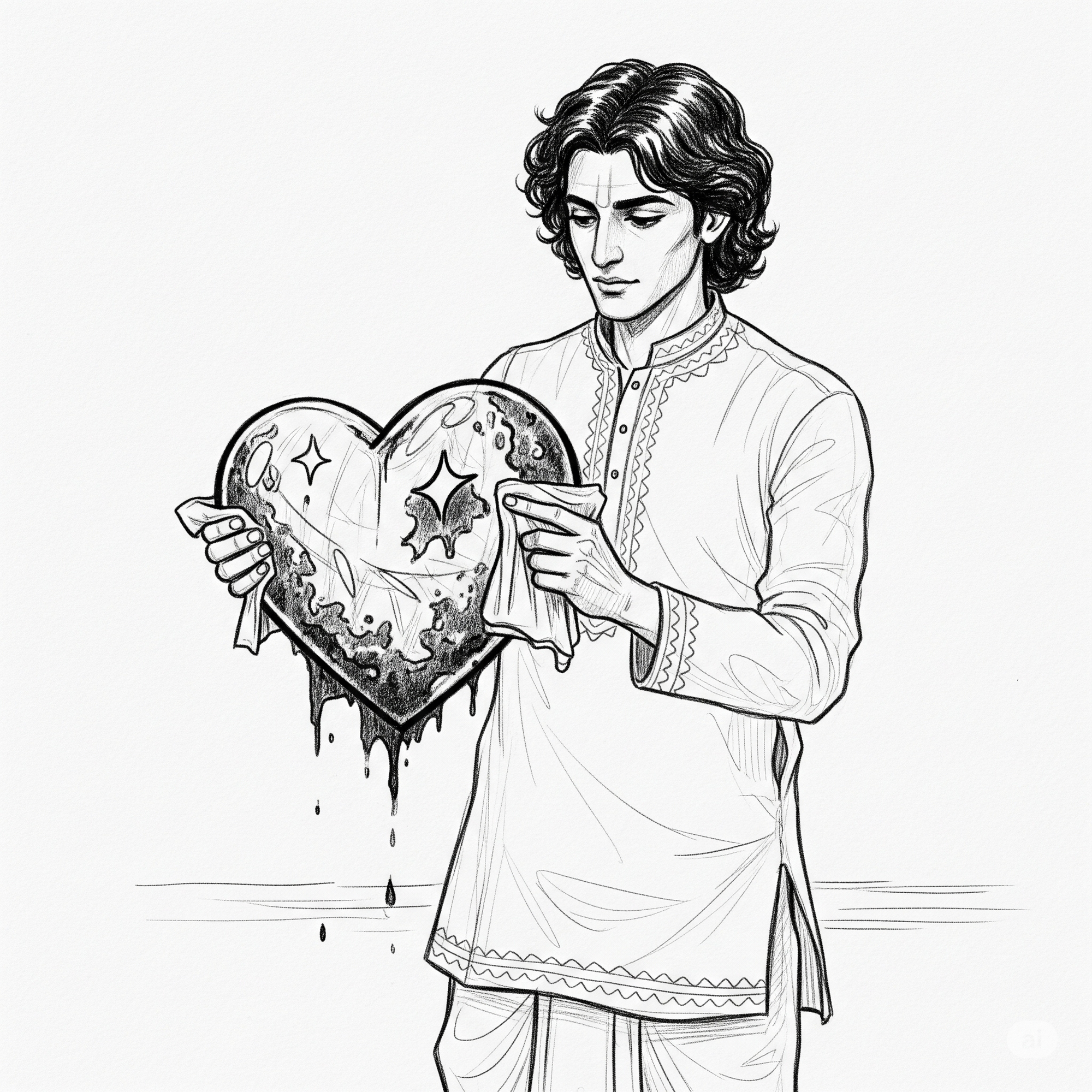
बिगरी बनावे गुरु गोविन्द राधे । हरि तो बने बने के साथी बता दे॥ bigarī banāvē guru gōvinda rādhē . hari tō banē banē kē sāthī batā dē. The Endless Cycle of 8.4 Million Life Forms Every soul has wandered endlessly through 8.

material-world
Maya has lured us away from God and that is the cause of our misery. So Maya must be our foe. Right? No. Maya is extremely beneficial to the jeev . God is our well-wisher and Maya is a power wielded by God. Lord Krishna said in Srimad Bhagavat Gita -

Practical Sadhana
One question hounds many of you reading this article. That question is When I have understood that devotion is the only thing worth doing then why don't I do devotion? For ages several saints have answered this question. Several of Shri Maharaj Ji's lectures are also
Gyan and Gyanyog
Question Atmagyani is not attracted by sensory objects of the world and a bhakt is also not attracted by sensory objects of the world. Is vairagya of an atmagyani different from the vairagya of a bhakt? Answer A gyani is an aspirant who pursues the path of gyan. A gyani
Bhakti-yog
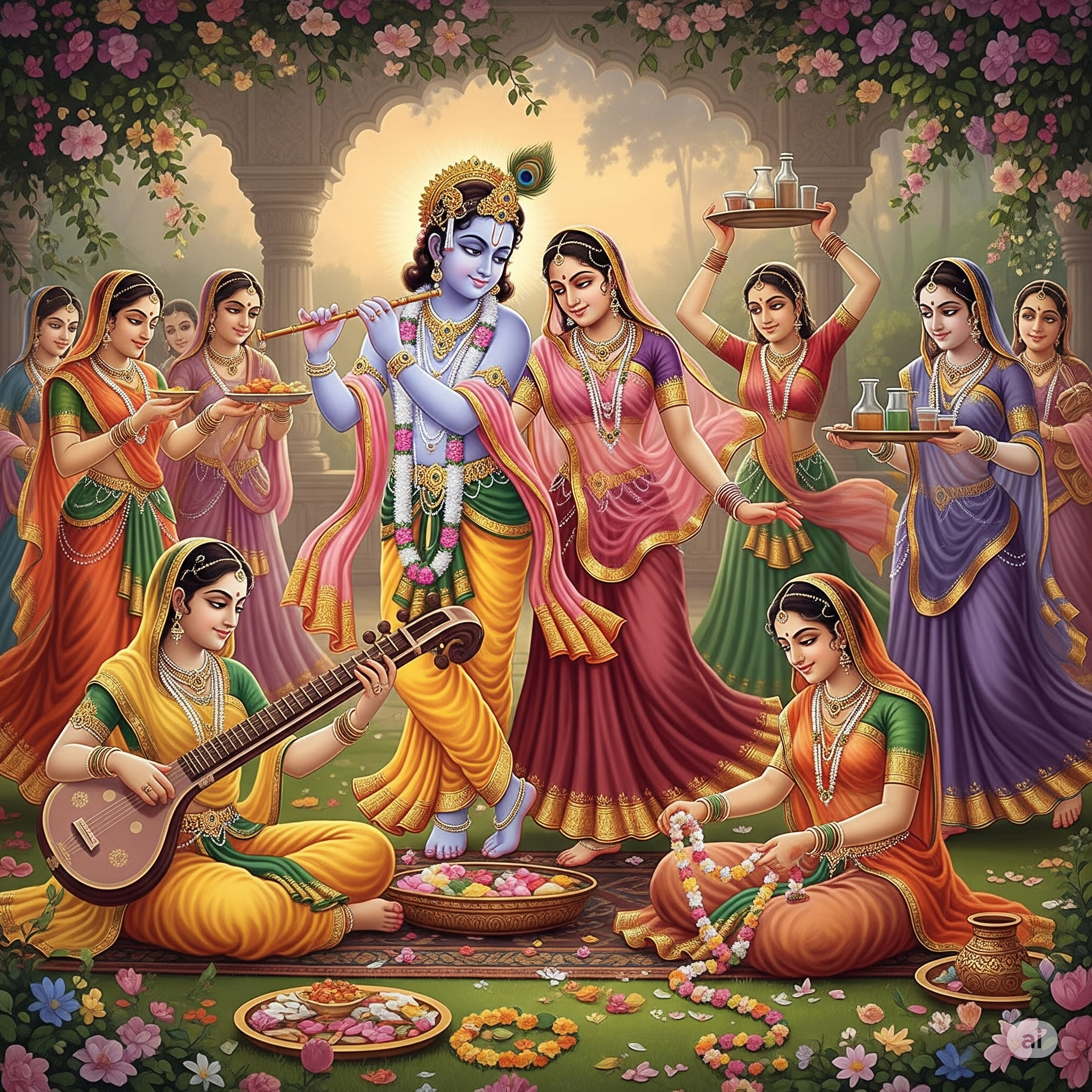
The love of Gopis is absolutely pure and exemplary. The sole goal of their love is to please their Beloved. It is devoid all desires of self-gratification. The Gopis do not ever think about themselves, their choices, interests or happiness, even for a moment. They are constantly engaged in making
Teachings
There are several subtle realms known as narak (hellish abodes), where sinners are sent after death to undergo terrifying punishments. These abodes, invisible to the material eye due to their subtle nature, are situated below the Earth in the southern region of the brahmand (cosmic egg) and are governed by

Teachings
Question When visiting a new land with different customs, we need a guide or mentor to help us. We have been told we are tiny fraction of God, like rays of sun. And that our innate right is to go to Golok Dham, which seems like a faraway land. Since