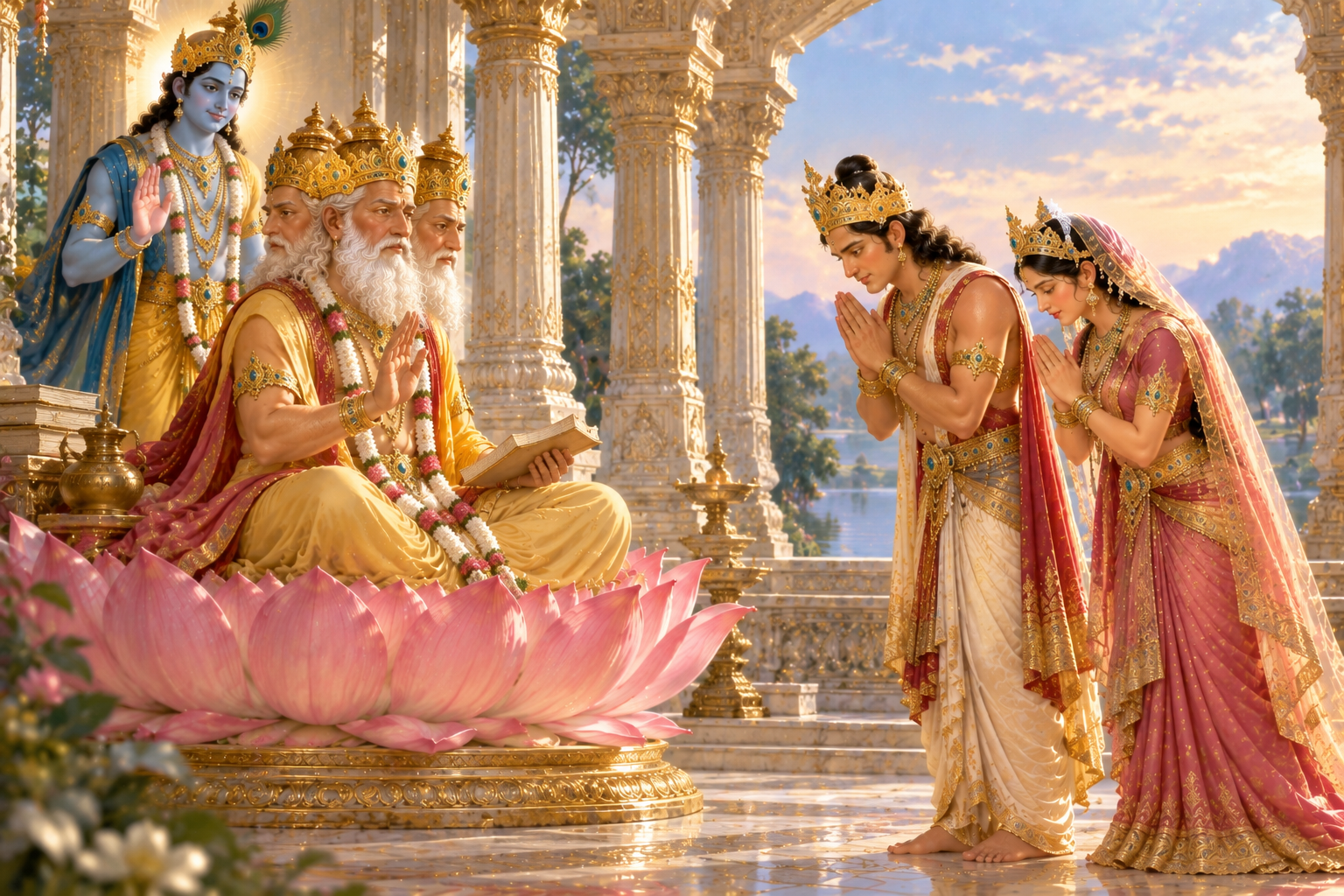
Manu (मनु)
Manu is the progenitor of humankind. Fourteen Manus govern successive Manvantars during one day of creator Brahma.

Manu is the progenitor of humankind. Fourteen Manus govern successive Manvantars during one day of creator Brahma.

Pralay (प्रलय | pralaya) means dissolution or cessation. In Maharaj Ji's teachings, the term is used in several contexts: * Dissolution of creation: The dissolution of part or all of the material creation. * Other forms of cessation: Pralay also includes states such as dreamless sleep and liberation, as described
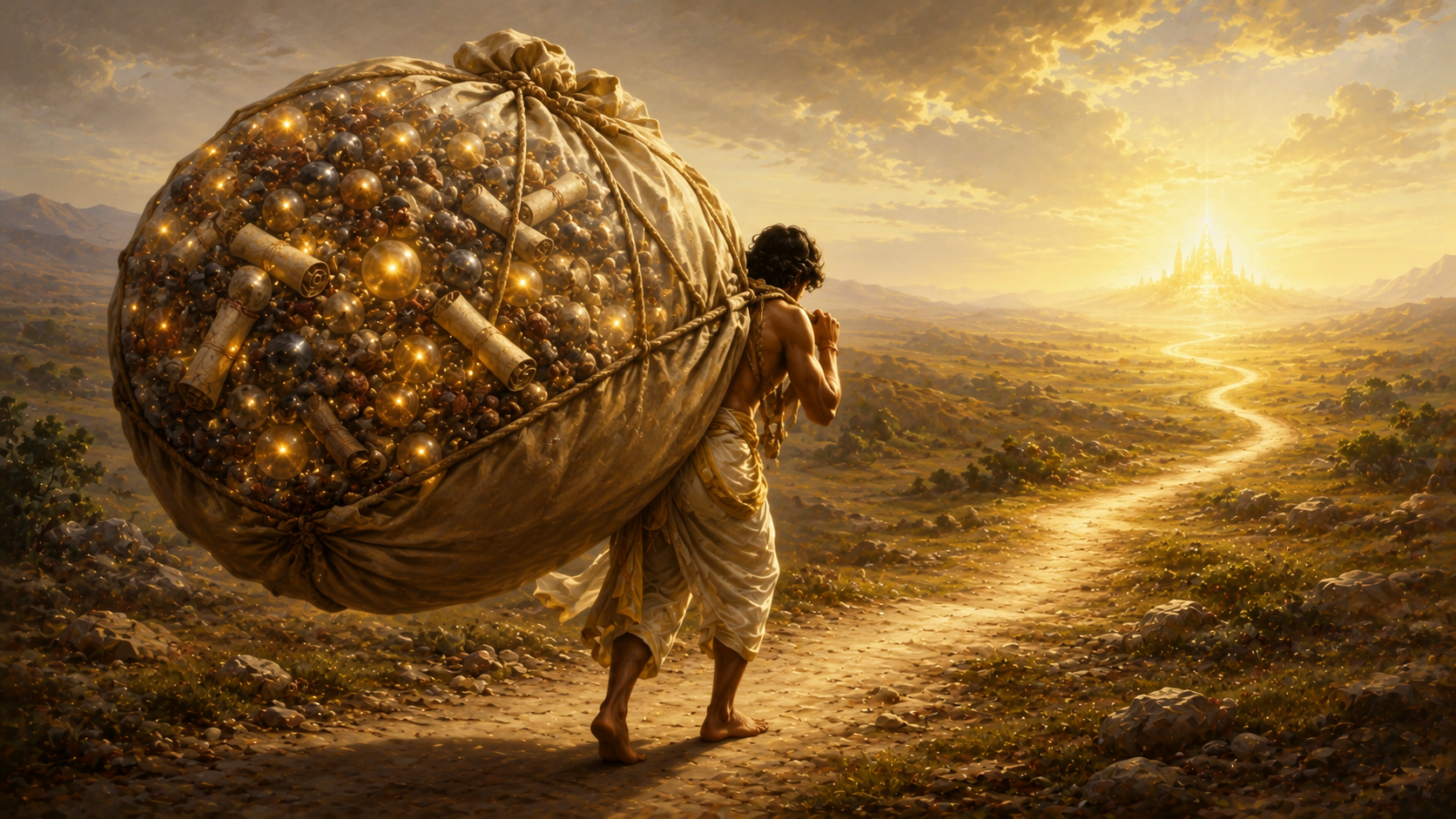
Sanchit Karma refers to the accumulated storehouse of karmas from previous human births whose consequences remain unexperienced.

Leela (लीला | līlā) refers to the Divine actions and pastimes of God and God-realized Saints. God's Leelas may appear contrary to His inherent Divine nature. God is beyond Maya and is not subject to material hunger, thirst, fatigue, sleep, or other material limitations. Yet when He

Ahaituki (अहैतुकी | ahaitukī) means causeless or without motive. The term is used in two related contexts: * Kripa (Grace): Grace bestowed without requiring any qualifying criterion in the recipient. * Bhakti: Loving God solely for His happiness, without seeking one's own happiness in return. In the context of

Apratihata (अप्रतिहता | apratihatā) means unhindered or uninterrupted. In Bhakti, apratihata describes devotion that is not allowed to be interrupted by any obstacle. The devotee's remembrance of God and Guru continues without a break. The scriptures compare this continuity to a steady stream of oil. Unlike water,

akarta (अकर्ता | akartā ) means the non-doer. Every jiva is akarta but it has been given an eternal servant called mind. Jeev wants limitless, everlasting, ever-increasing ananda . So, mind keeps striving to find ananda . Since, mind is material it performs tamasik , rajasik , sattvik karma and keeps getting entangled

Srishti is the reappearance of the material world after dissolution, not the creation of an entirely new world.

par dharma (पर धर्म | para dharma) is the unchanging eternal duty of every jeev. Par means superior. The superior dharma every jeev is to serve God. This is also referred to by many other names. * gunatita dharma (धर्म | dharma ) means duty which is beyond the three gunas of

Panchmahabhoot are the five primary gross elements from which the material world and material body are made.

The entire material creation, manifested through Maya, comprising innumerable brahmands and subject to constant change.
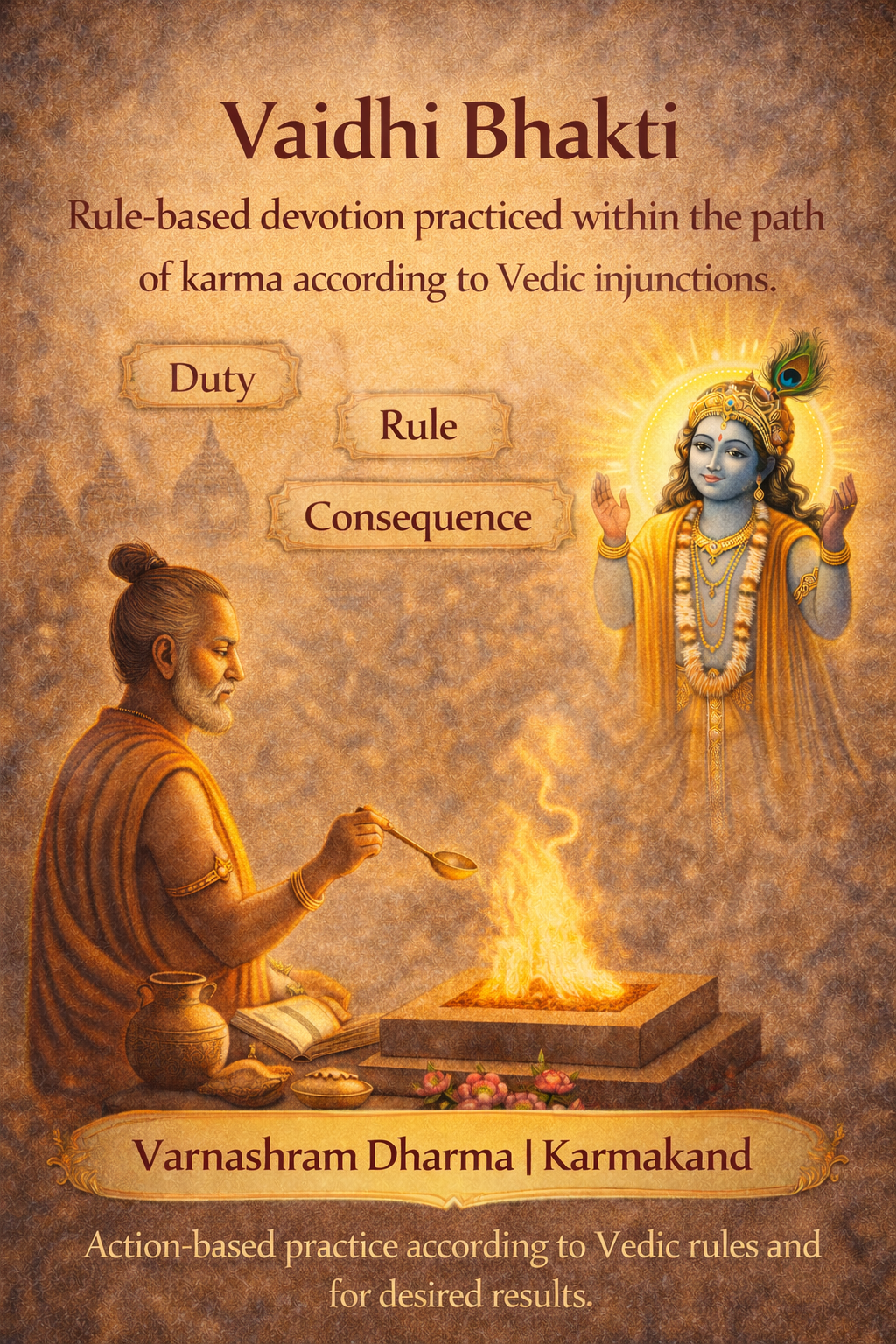
Vaidhi Bhakti (वैधी भक्ति | vaidhī bhakti) refers to rule-based devotion practiced according to Vedic injunctions. * vidhi — rule or method * bhakti — devotion What It Means In Vaidhi Bhakti: * A practitioner follows Vedic rules and disciplines, including: * Varnāśram Dharma * karmakāṇḍ (ritual practices) * Actions are performed: * in a strict, prescribed