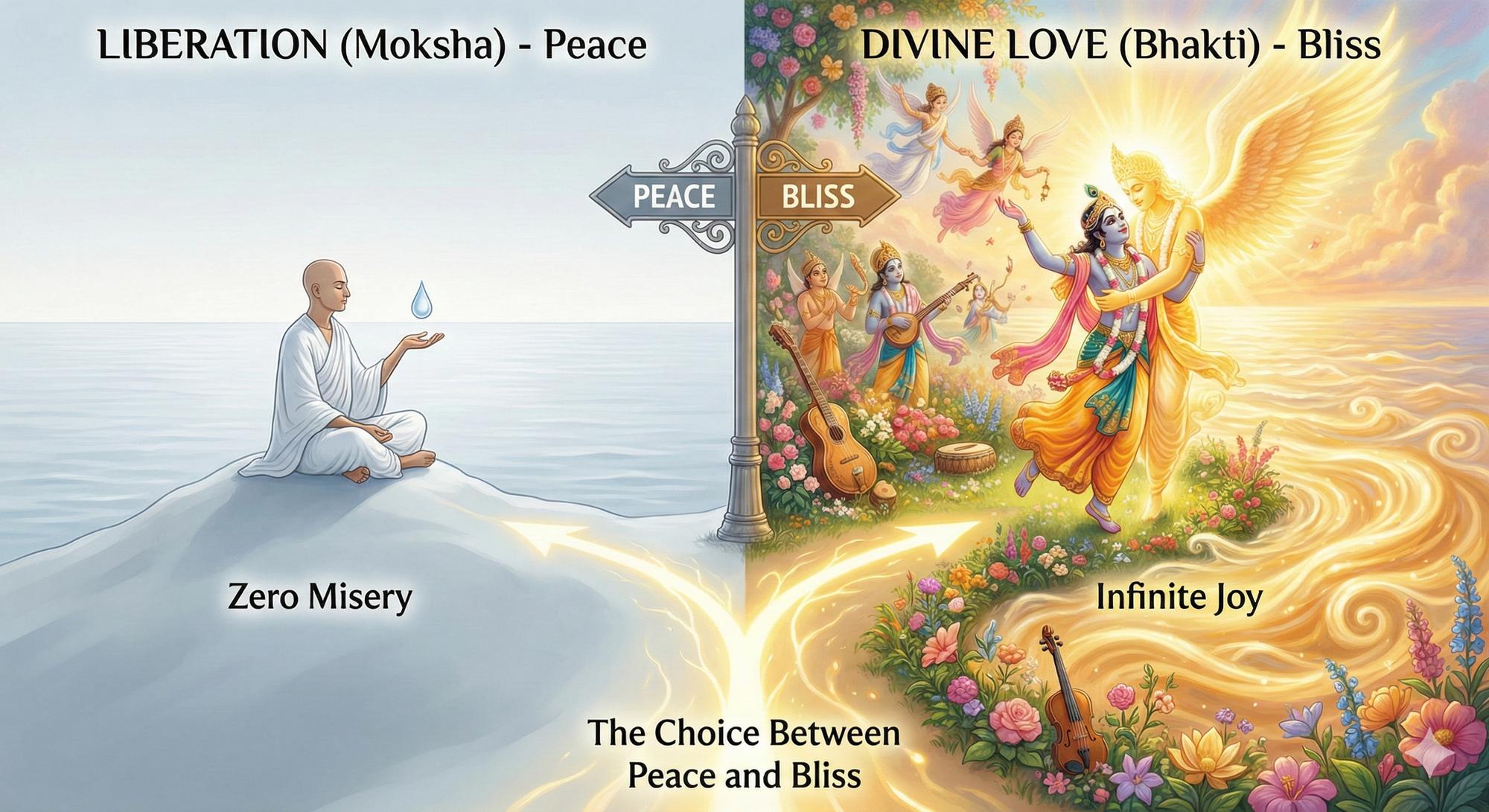
Liberation vs. Divine Love
Liberation removes suffering, but divine love grants infinite, ever-increasing bliss. The soul’s ultimate goal is not freedom alone, but loving relationship with God.

Liberation removes suffering, but divine love grants infinite, ever-increasing bliss. The soul’s ultimate goal is not freedom alone, but loving relationship with God.
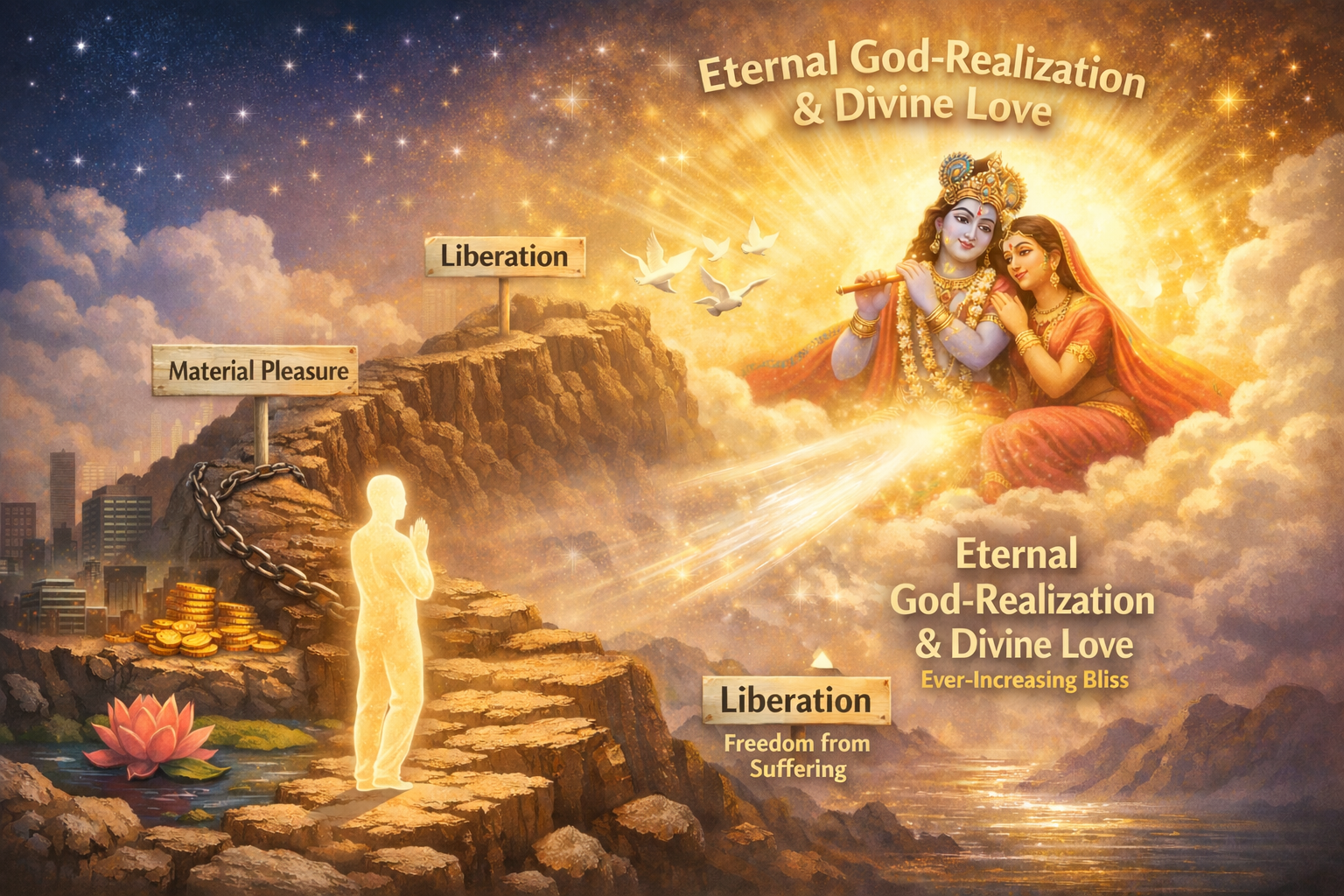
The soul is eternal, and its goal must be eternal. True fulfillment lies not in liberation or knowledge alone, but in attaining God through loving devotion.
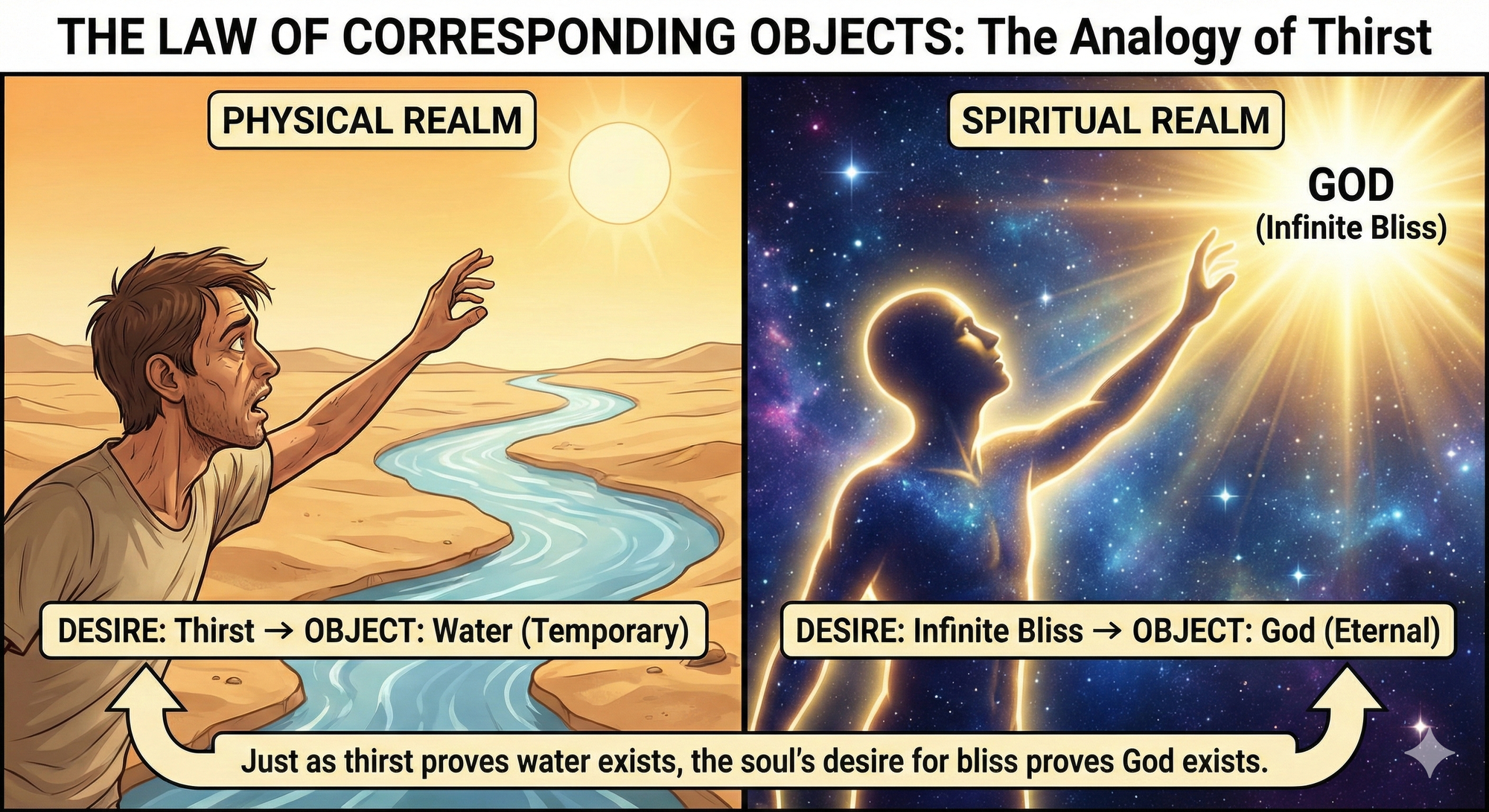
The soul’s longing for infinite happiness points to a real source. Just as thirst proves the existence of water, our desire for bliss points to God.
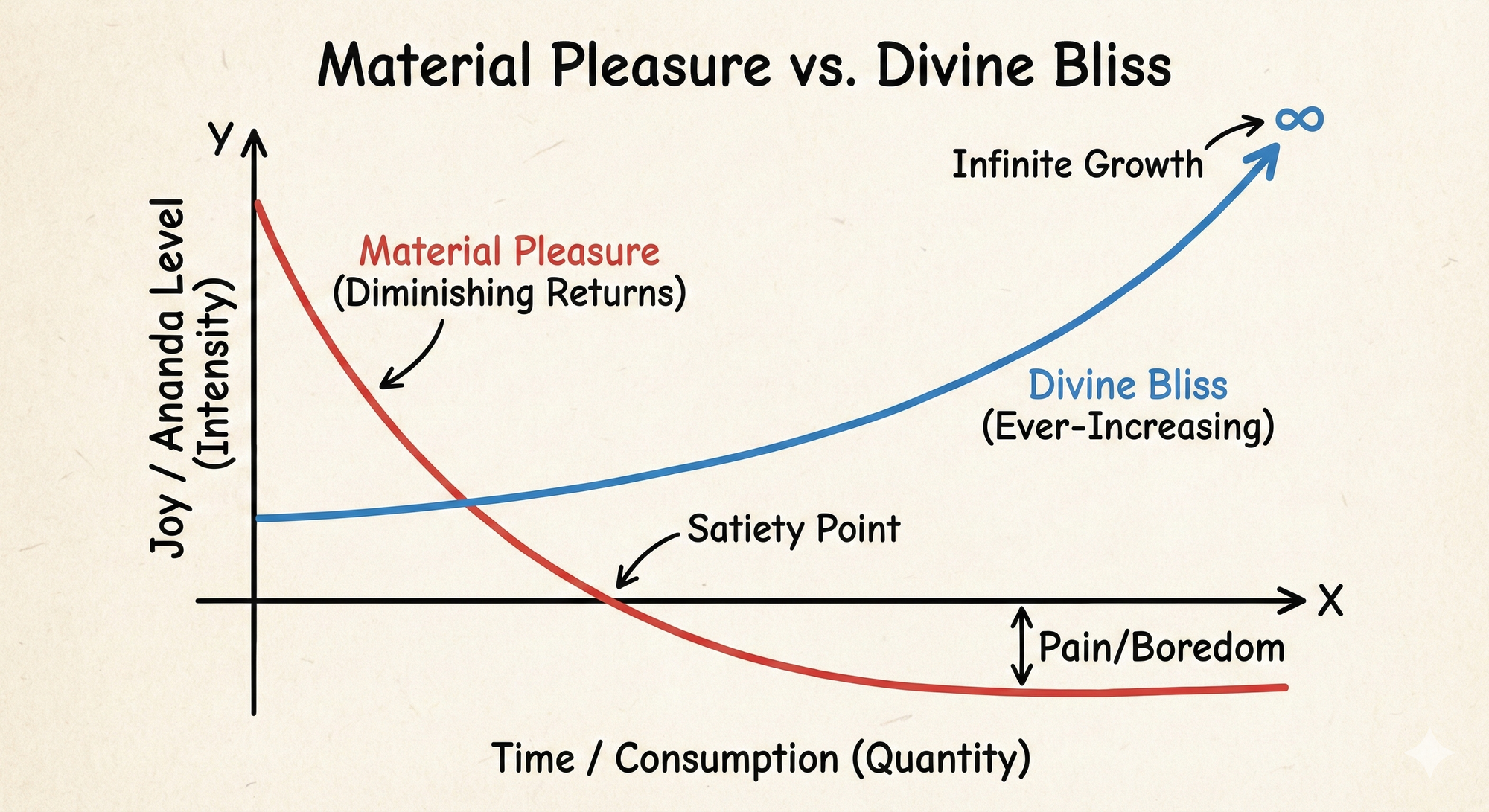
Material pleasure diminishes, disappoints, and often arises from the removal of pain. Divine bliss, by contrast, is ever-increasing and self-existing.
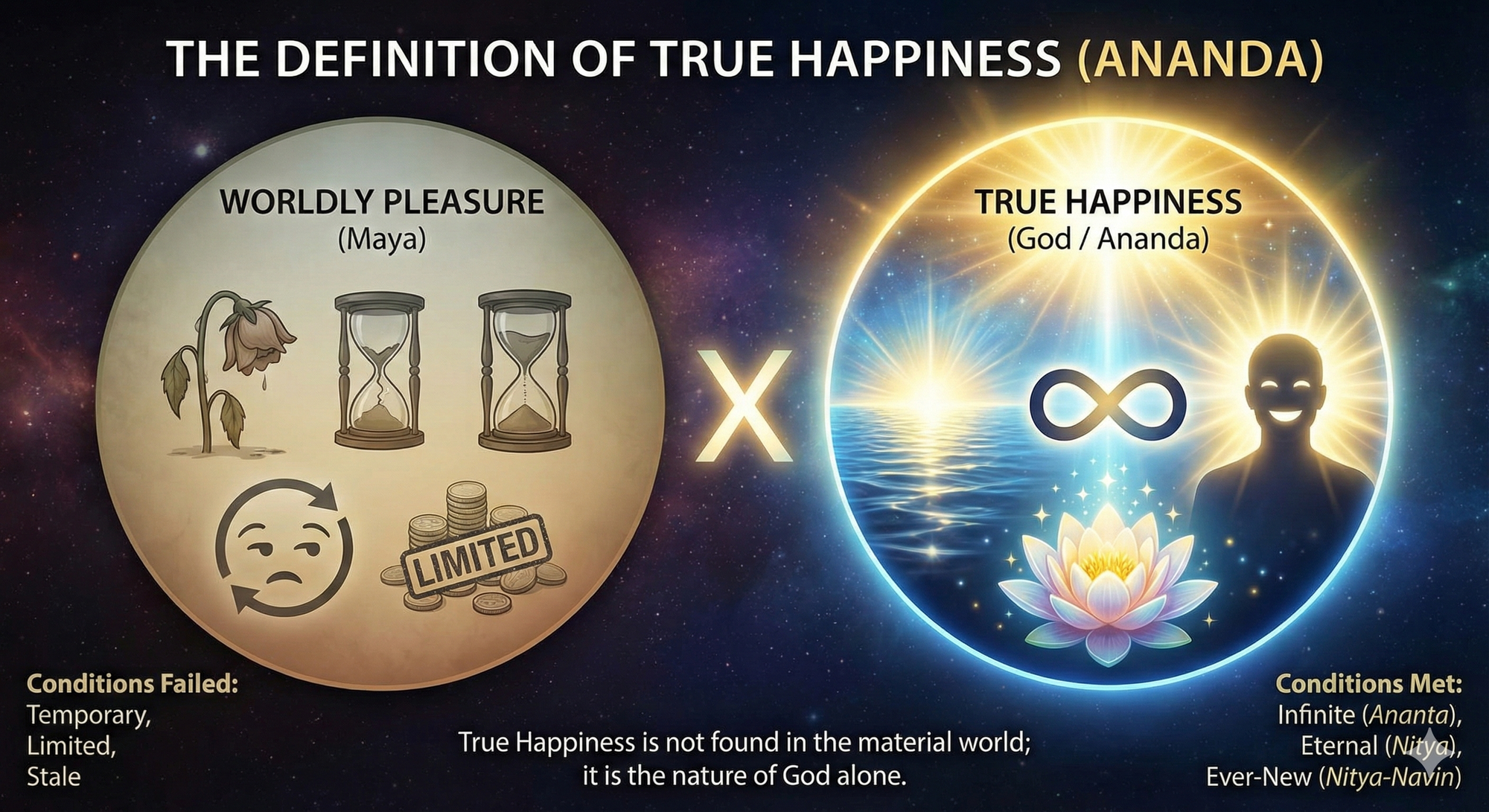
True happiness must be infinite, eternal, and ever-fresh. Anything that fades, diminishes, or becomes stale cannot satisfy the soul’s eternal nature.
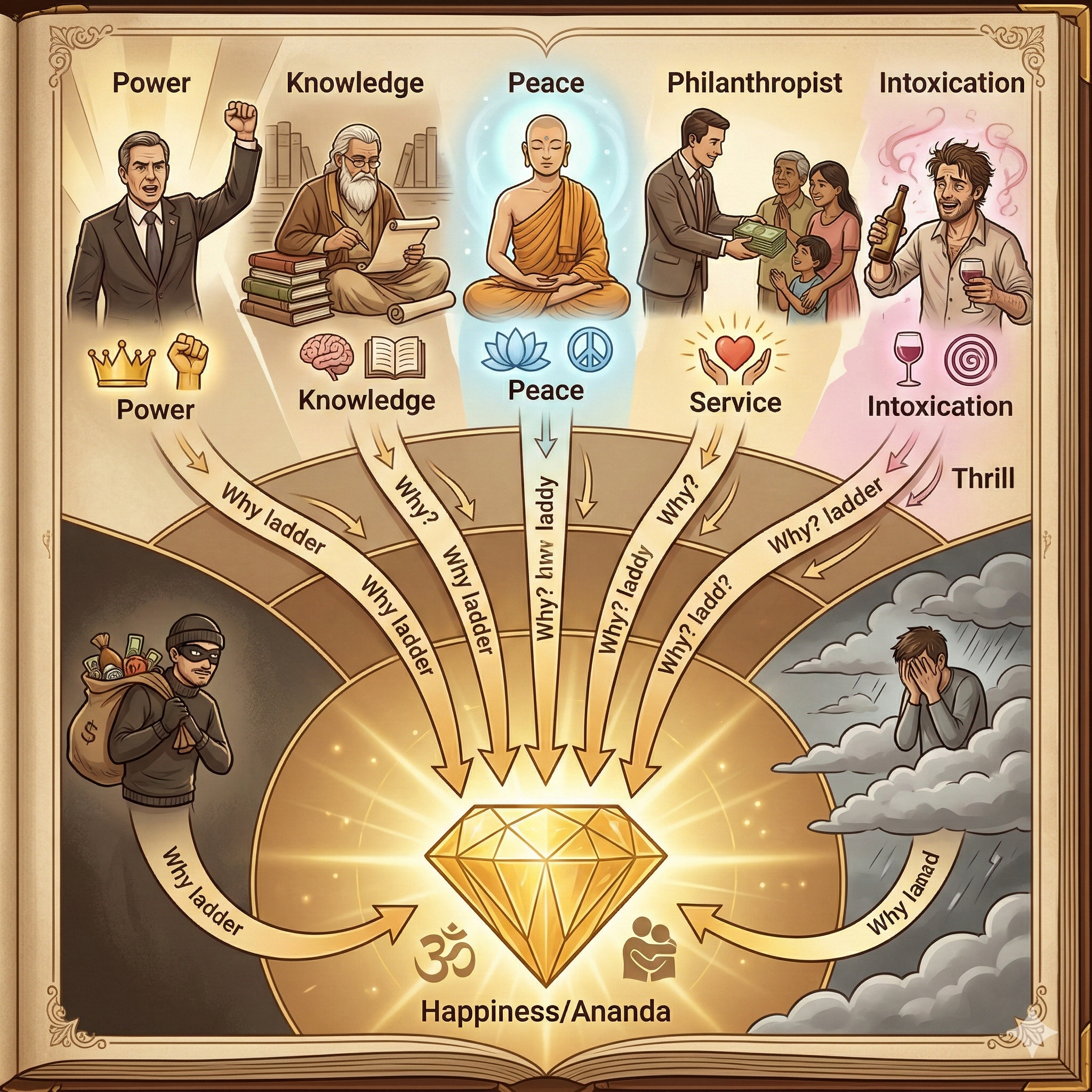
Every action, whether noble or misguided, is driven by the desire for happiness. The methods differ, but the underlying motive remains the same.
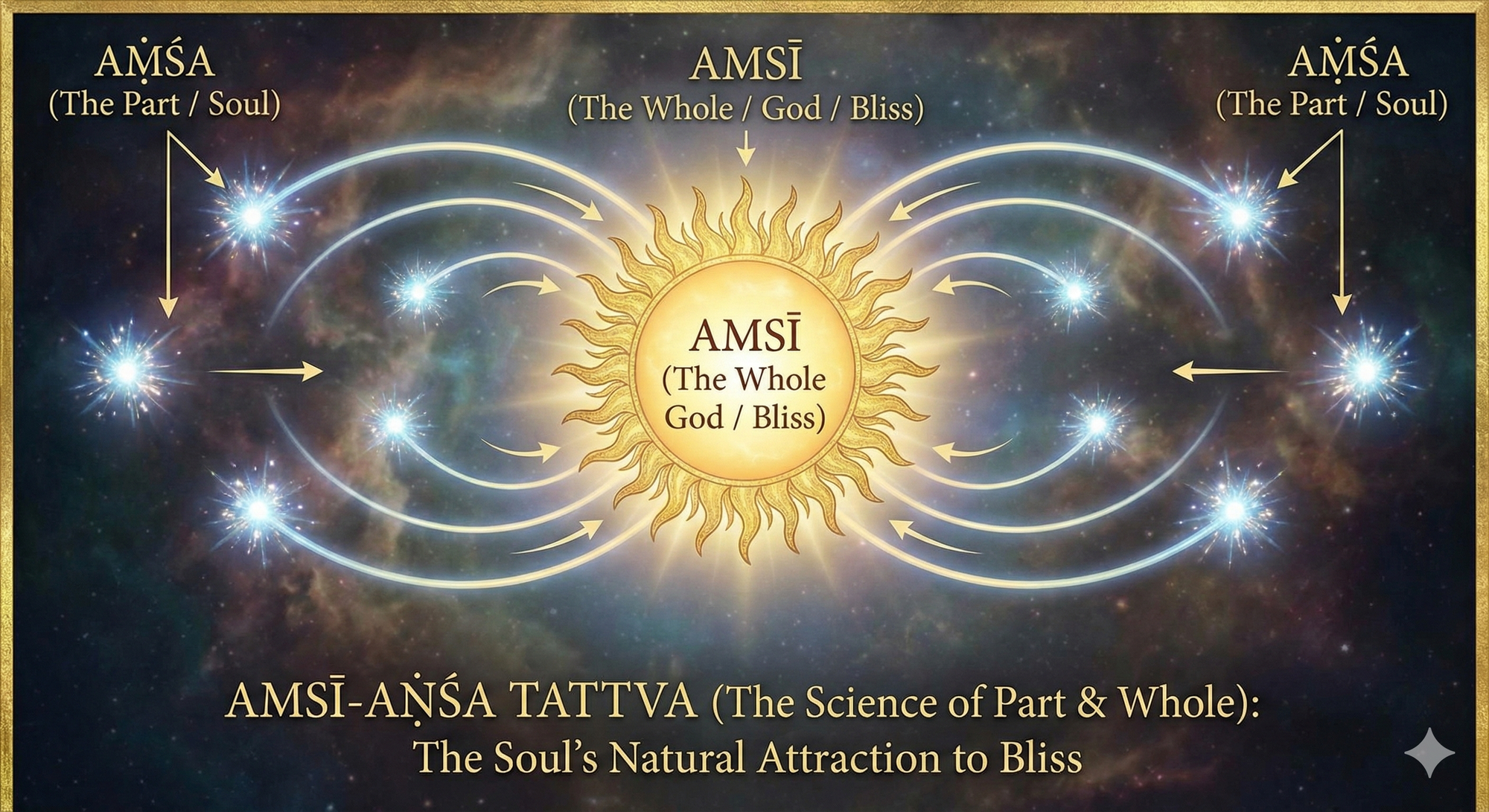
Every being seeks happiness because the soul is a part of God, whose nature is infinite bliss. This desire is not learned; it reveals the soul’s true nature.

Humans cannot even imagine the luxuries of the celestial abodes (Swarg). Celestial beings, who inhabit those abodes, don’t have to toil for anything as they can attain any material thing by merely resolving to obtain it. Their bodies are fragrant, lustrous and strong, they don’t excrete, don’t

The literal meaning of the word mukti (Devanagari: मुक्ति ISO15919: mukti ) is liberation. Let us understand the concept of liberation with an example. A convict was sentenced to time in prison for a crime. After he has served his time in jail he is released from the prison.

Every soul seeks true happiness. Discover why material pleasure is fleeting and how to attain the eternal bliss of God (Ananda) through sincere surrender.

What is the ultimate aim of life? Discover why every living being universally seeks happiness and how to find this eternal Bliss (Ananda) in God rather than the material world.