
Paap (पाप)
Paap refers to sinful or prohibited actions that create suffering and karmic bondage, keeping the soul within material existence.

Paap refers to sinful or prohibited actions that create suffering and karmic bondage, keeping the soul within material existence.
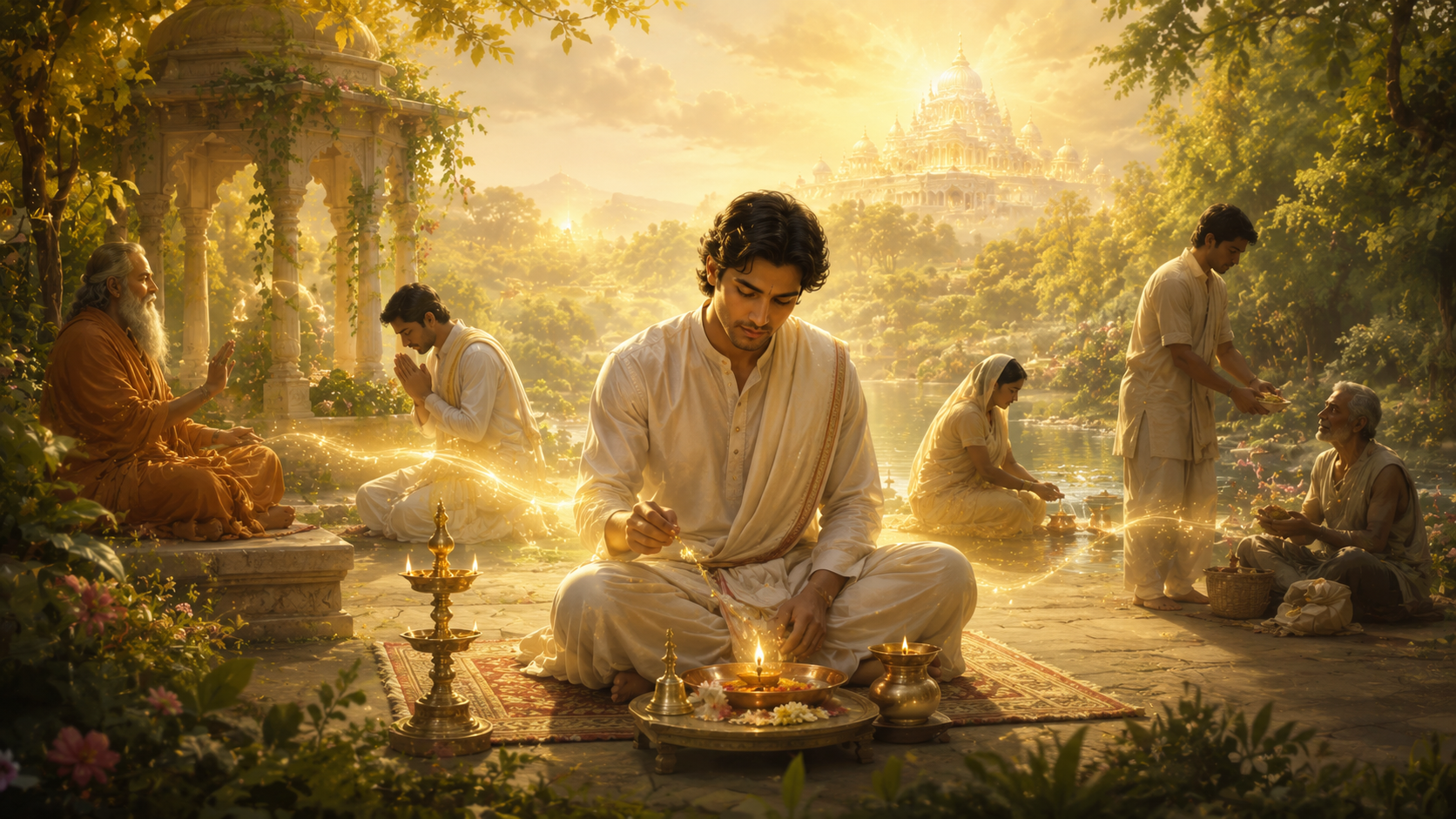
Punya (पुण्य) refers to virtuous actions performed in accordance with Vedic injunctions. When such actions are performed correctly and in full conformity with scriptural principles, they produce favorable karmic results, including temporary residence in heavenly realms.

Swarg is a celestial realm within the material universe where souls enjoy Punya, but it is not the soul's ultimate destination.
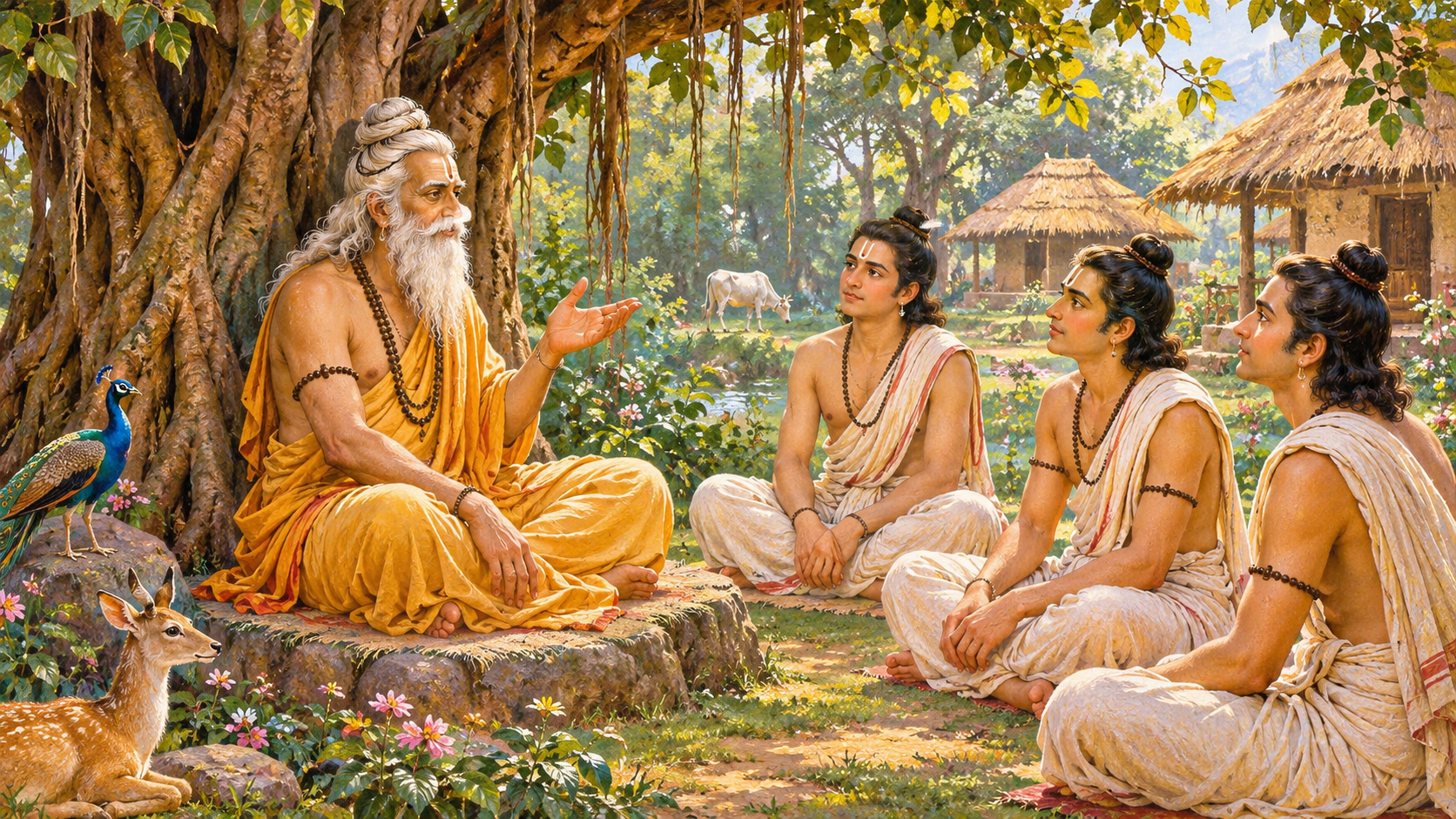
The Vedas contain eternal Divine knowledge, revealing God's laws and serving as the supreme authority for Sanatan Vedic Dharma.

Kirtan (कीर्तन | kīrtana) refers to the audible chanting or singing of God's names, attributes, and Leelas. Kirtan is not merely an activity of the voice. While singing about God, the devotee also lovingly remembers Him in the mind. Through Roopdhyan, the devotee brings His Divine form
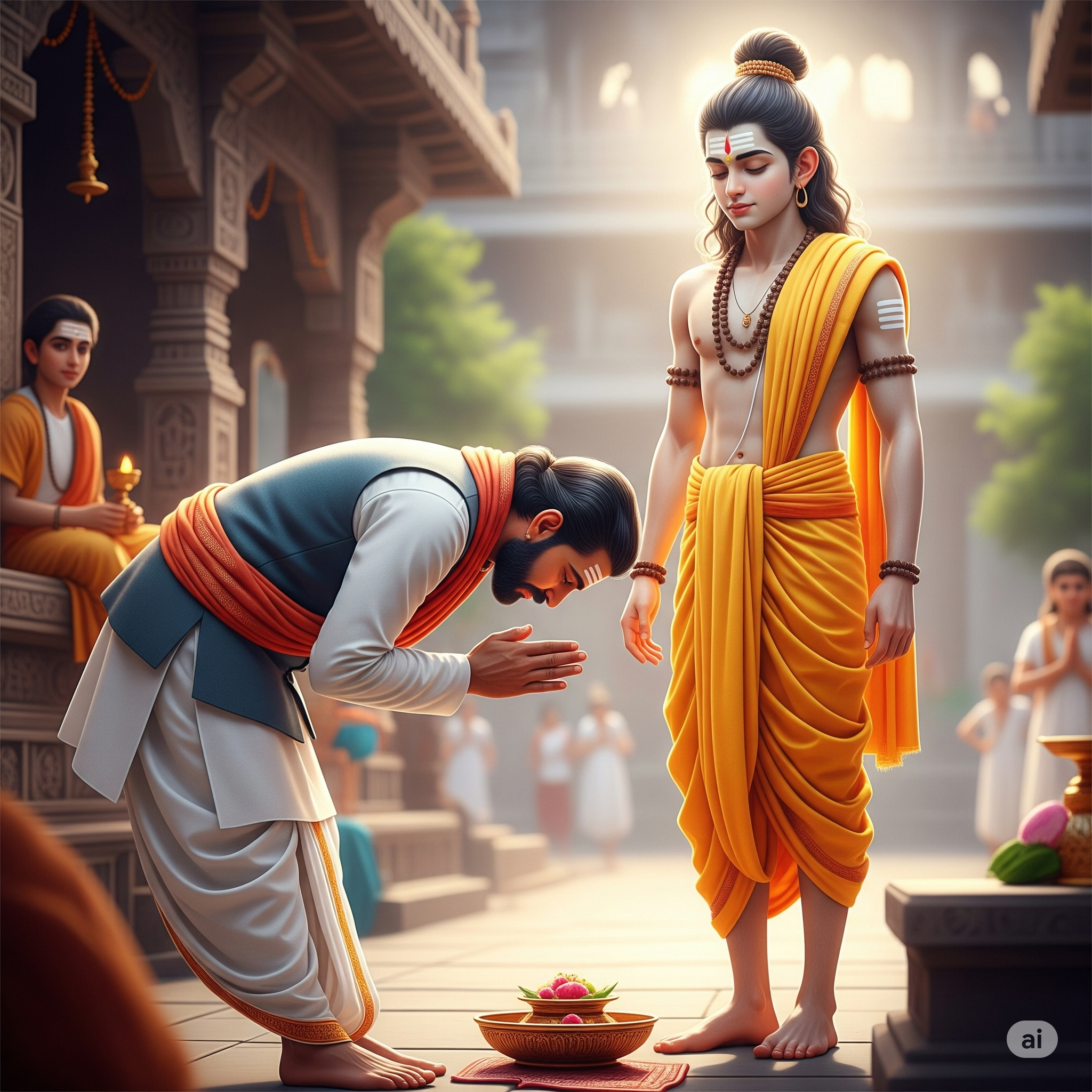
Sharanagati is complete surrender to God and Guru, in which the soul accepts total dependence upon Divine Grace.
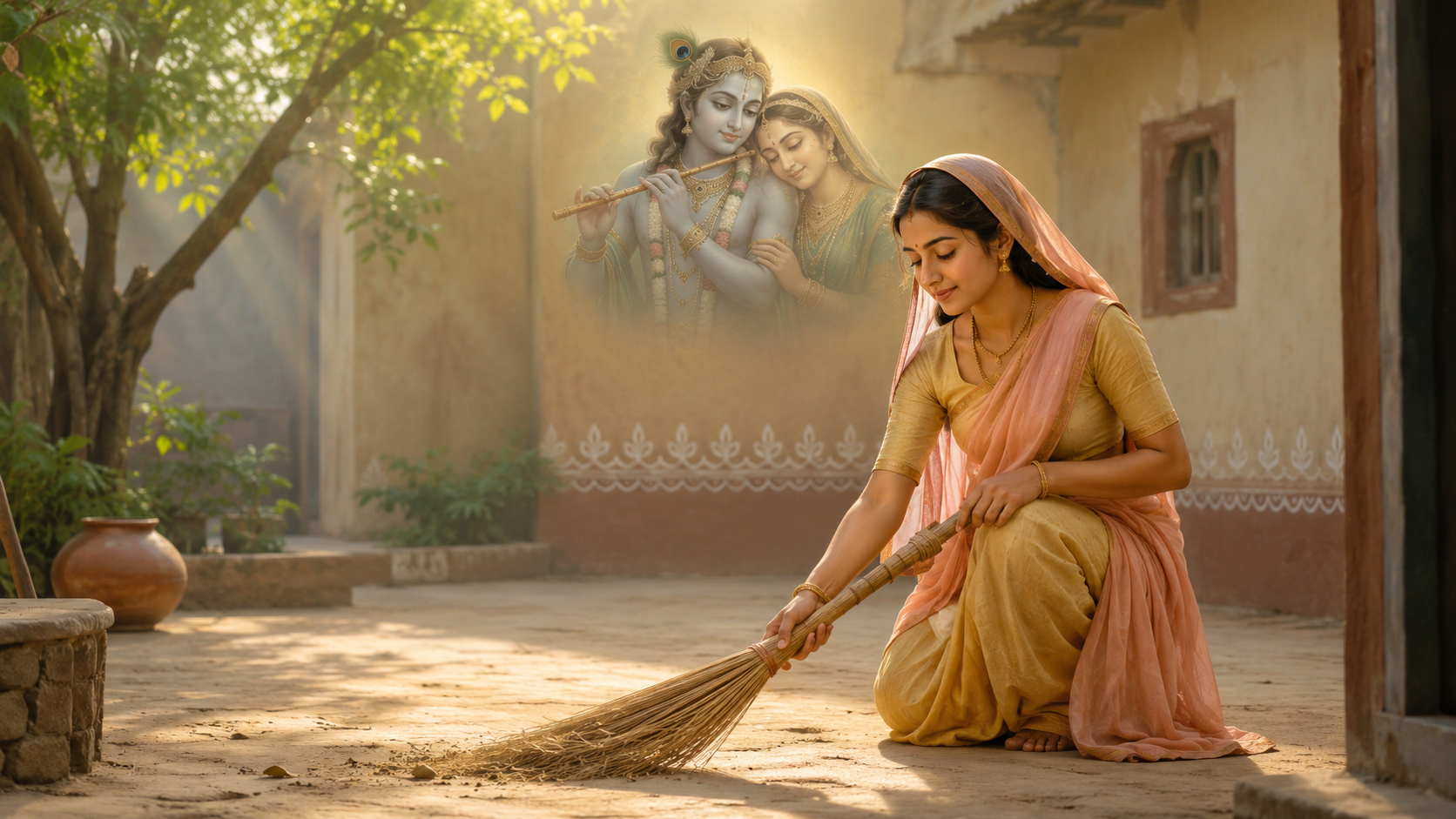
Nirantar (निरंतर | nirantar) means continuously, without interruption. In Sadhana Bhakti, nirantar refers to the continuous remembrance of God and Guru. Shri Maharaj Ji teaches that remembrance should not be limited to designated periods of devotional practice. The practice is to keep the mind connected with God and Guru
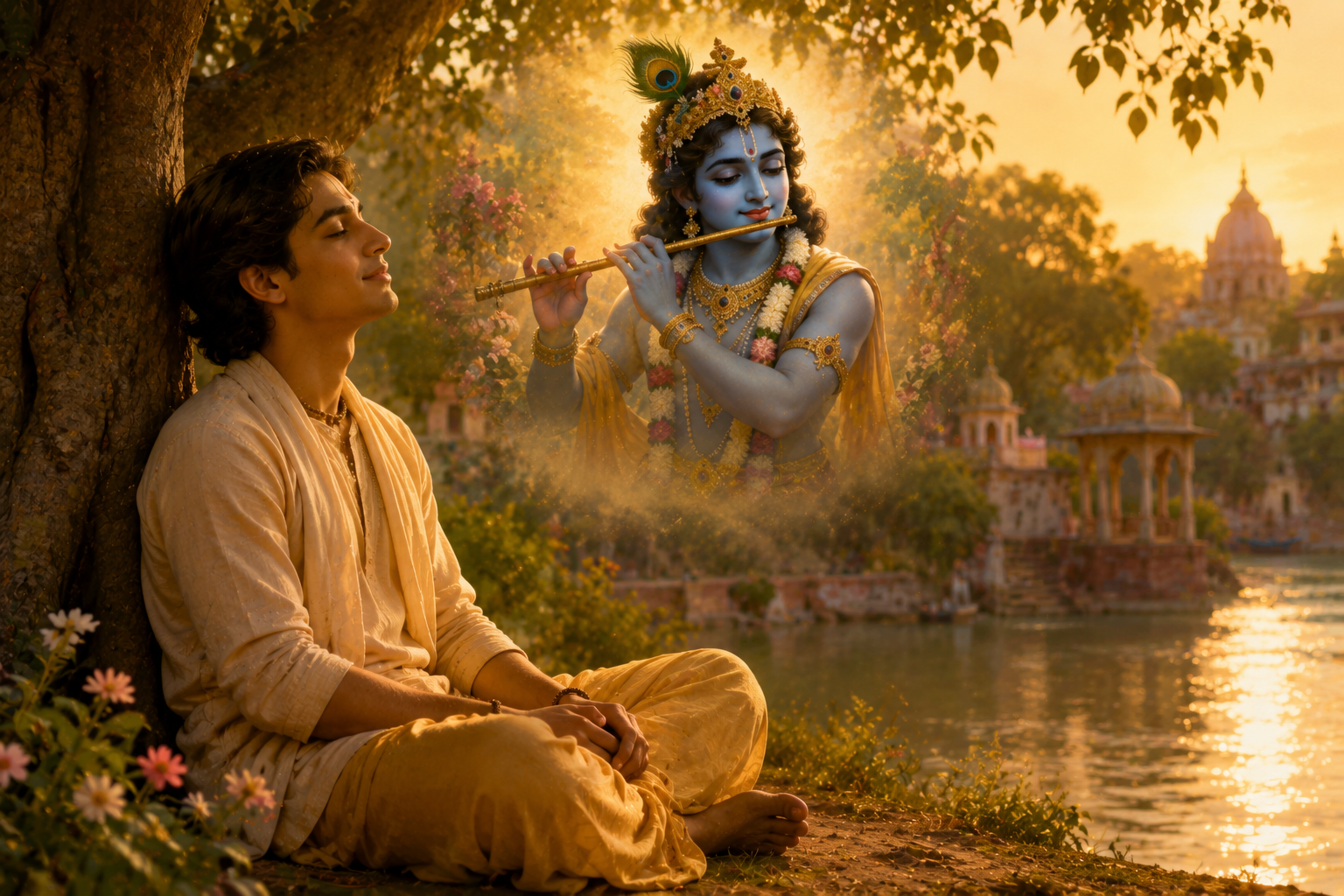
Smaran (स्मरण | smaraṇa) means remembrance. In Bhakti, it refers to the loving remembrance of God in the mind. How Is Smaran Practiced? Smaran begins by bringing the Divine form of God into the mind. This loving remembrance of His form is called Roopdhyan. The devotee then lovingly endows that
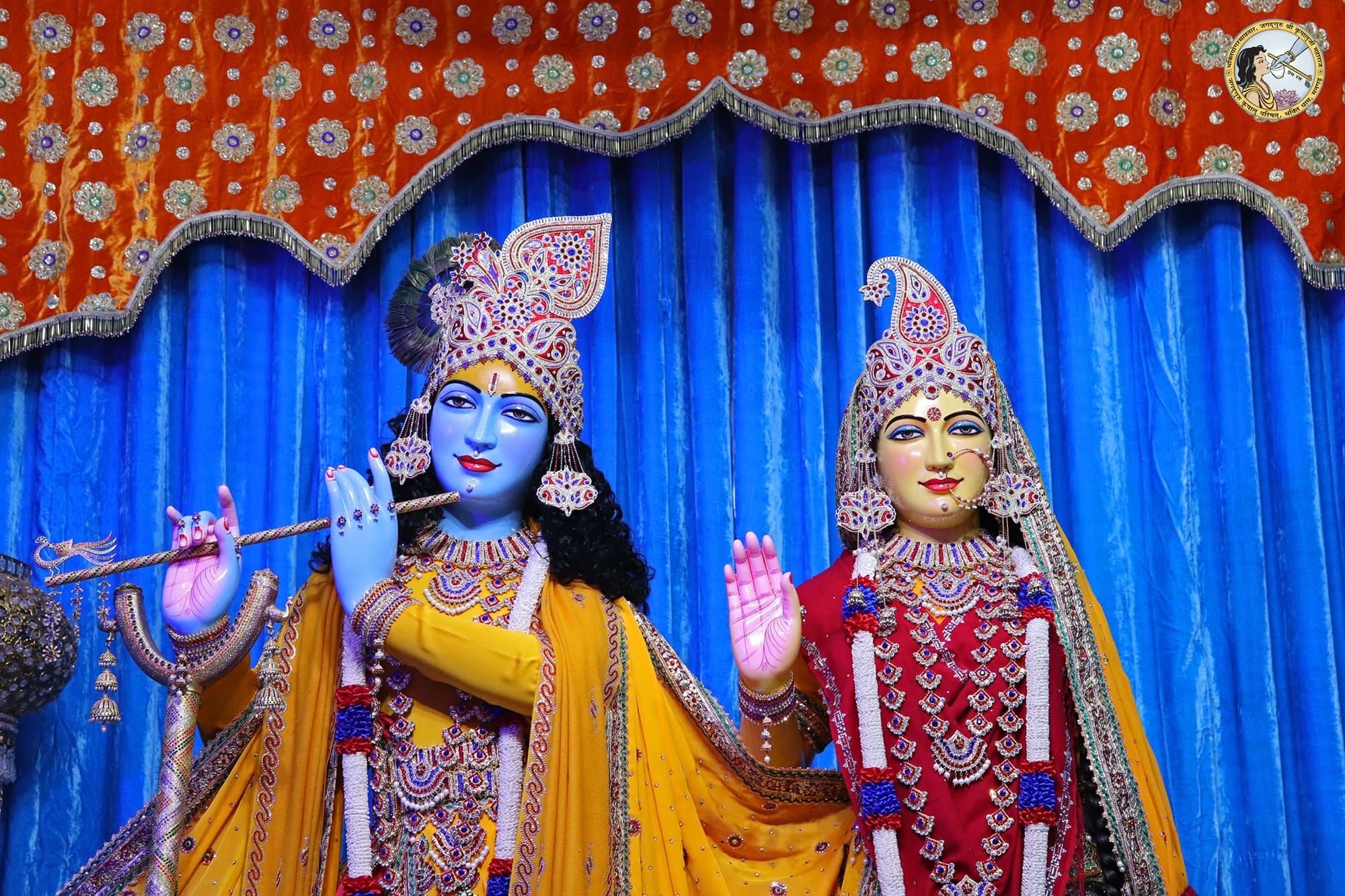
Prem (प्रेम | prēma) refers to divine love. This is a power of God. It is the essence of the Hladini Shakti (the divine power of bliss) the power that rules all other powers. It possesses very unique attributes. Like all divine powers, She (Prema) possesses a personified form.
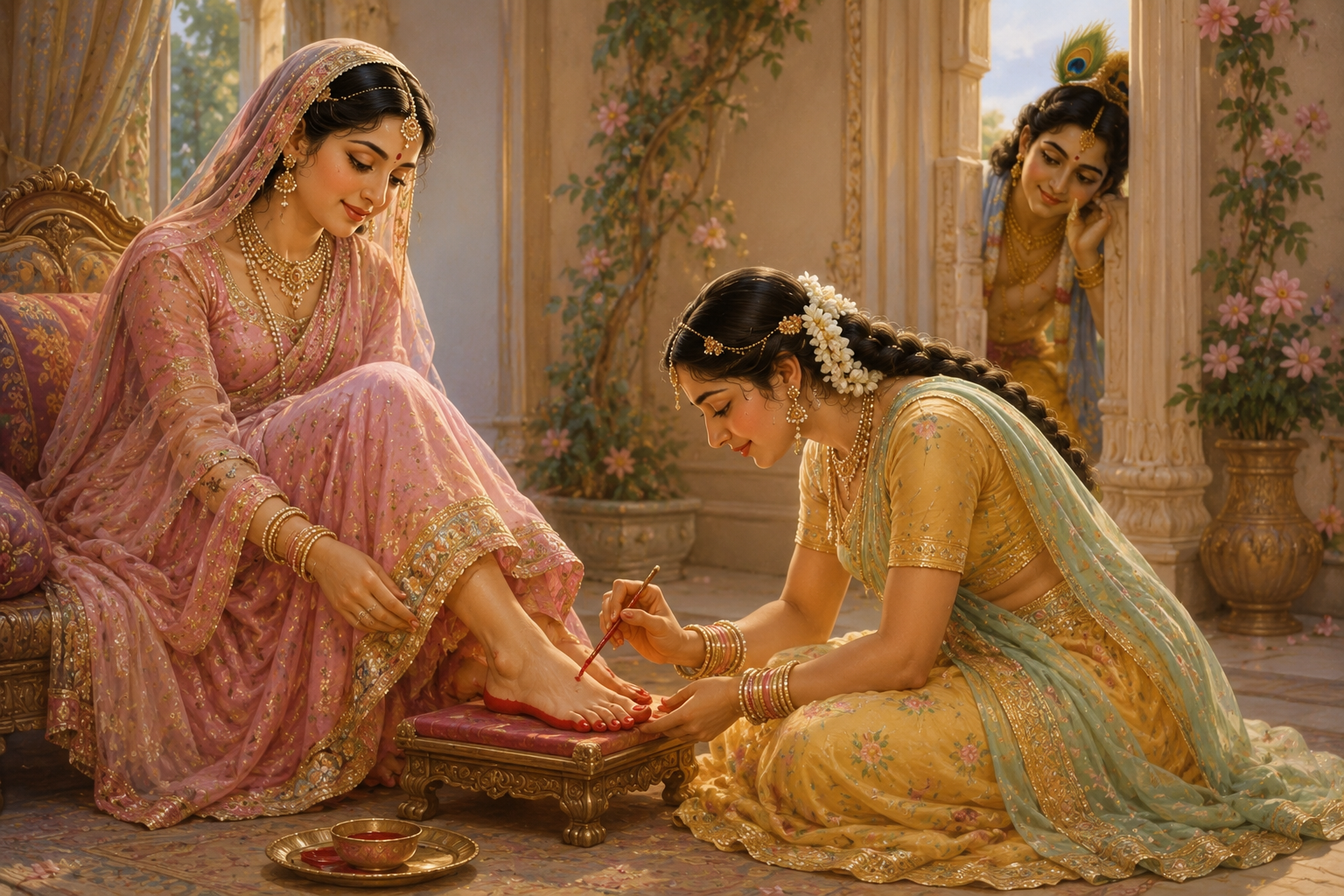
Nishkamata (निष्कामता | niṣkāmatā) means freedom from the desire for one's own happiness. In Bhakti, nishkamata does not mean having no desires. A devotee may intensely desire to see God, remember Him, serve Him, love Him, and please Him. What changes is the purpose of those
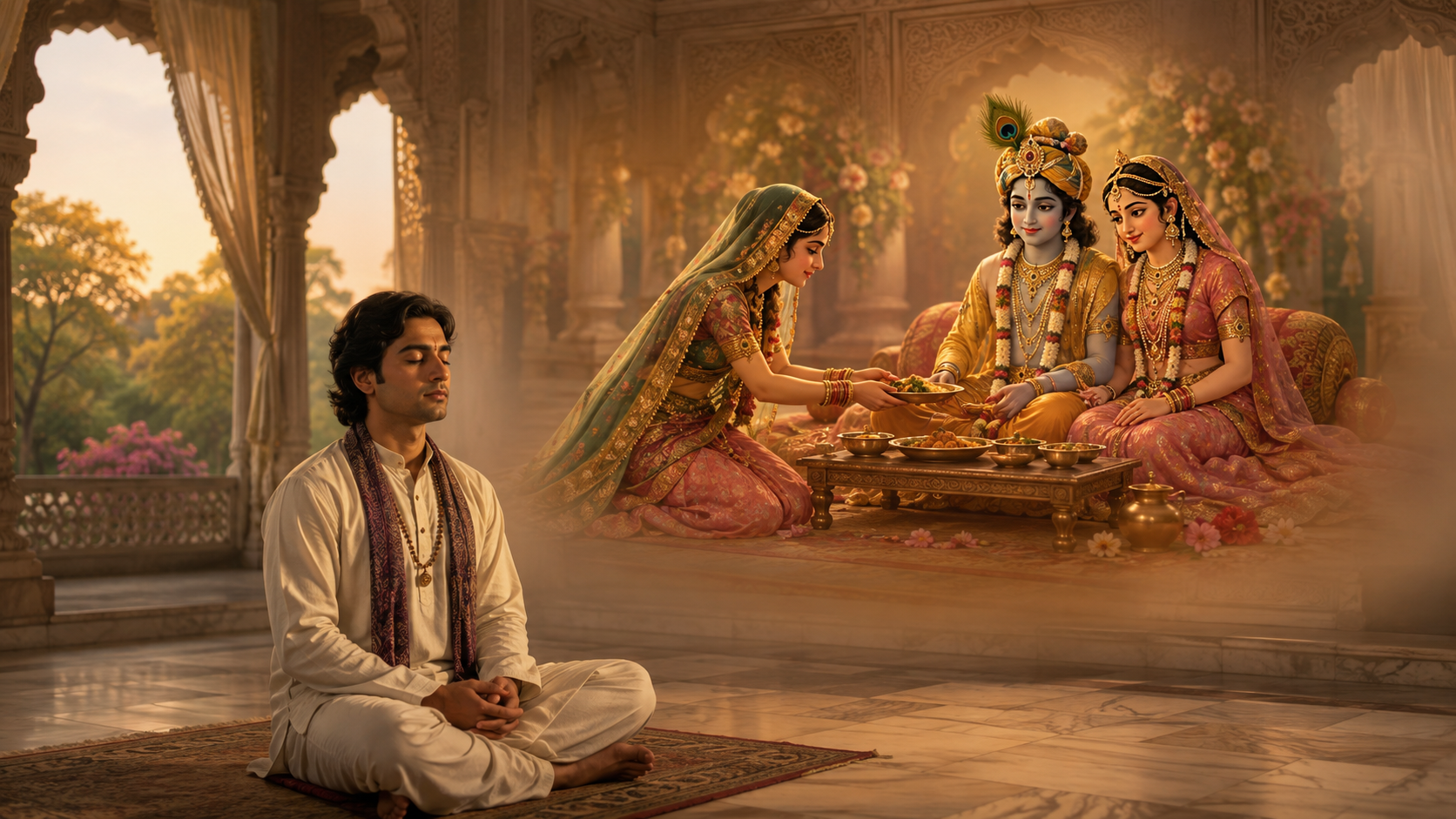
Manasi Seva (मानसी सेवा | mānasī sevā) means serving God and Guru mentally. In Manasi Seva, the devotee performs seva in the mind. The devotee may mentally contemplate the Divine form, offer food, adorn the Divine Beloved, attend to Their comfort, accompany Their lilas, or perform other loving acts
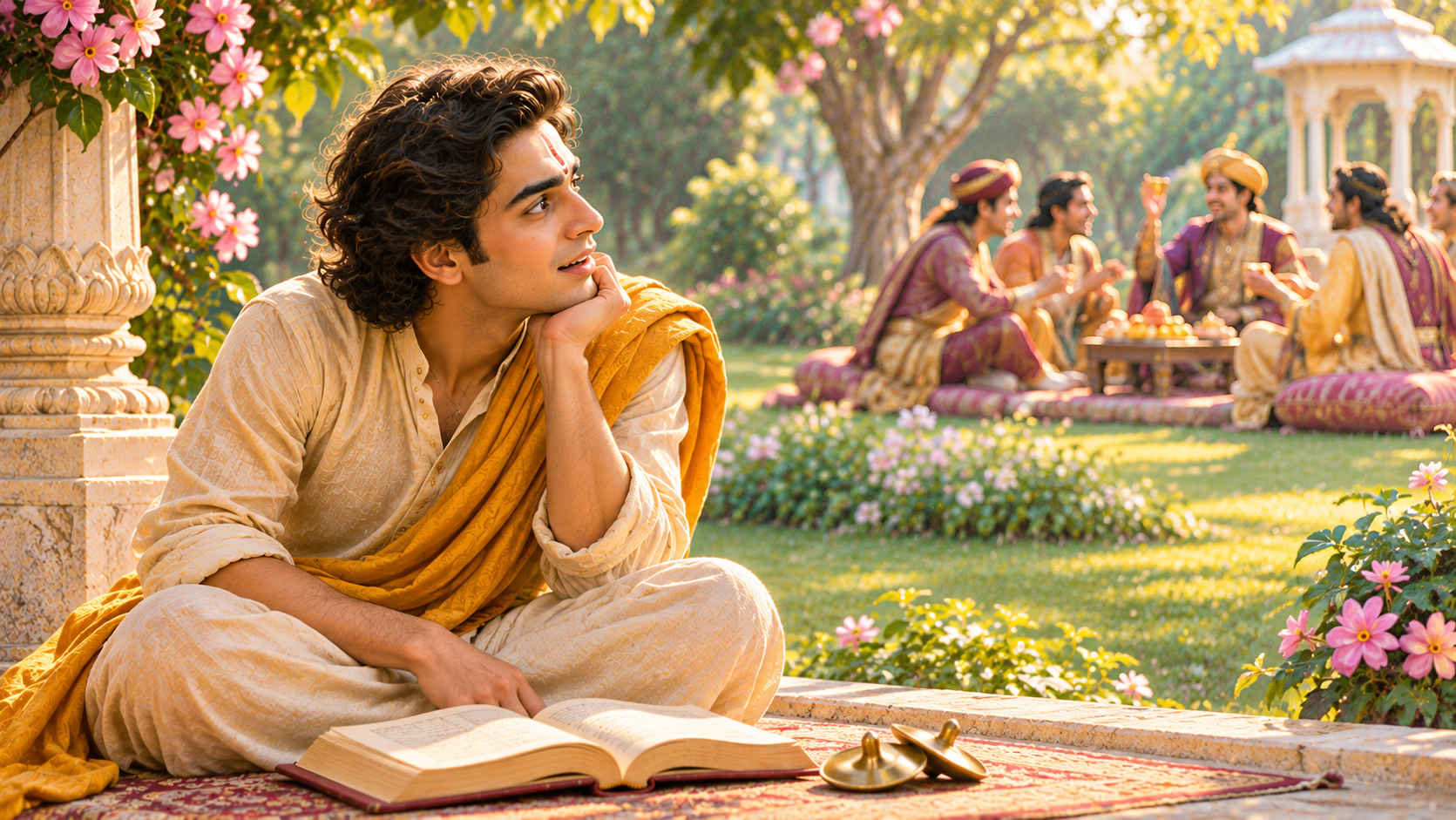
Kusang is harmful association, including thoughts and influences that turn the mind away from God and weaken devotion.