Nirantar
Nirantar (निरंतर | nirantar) means continuously, without interruption.
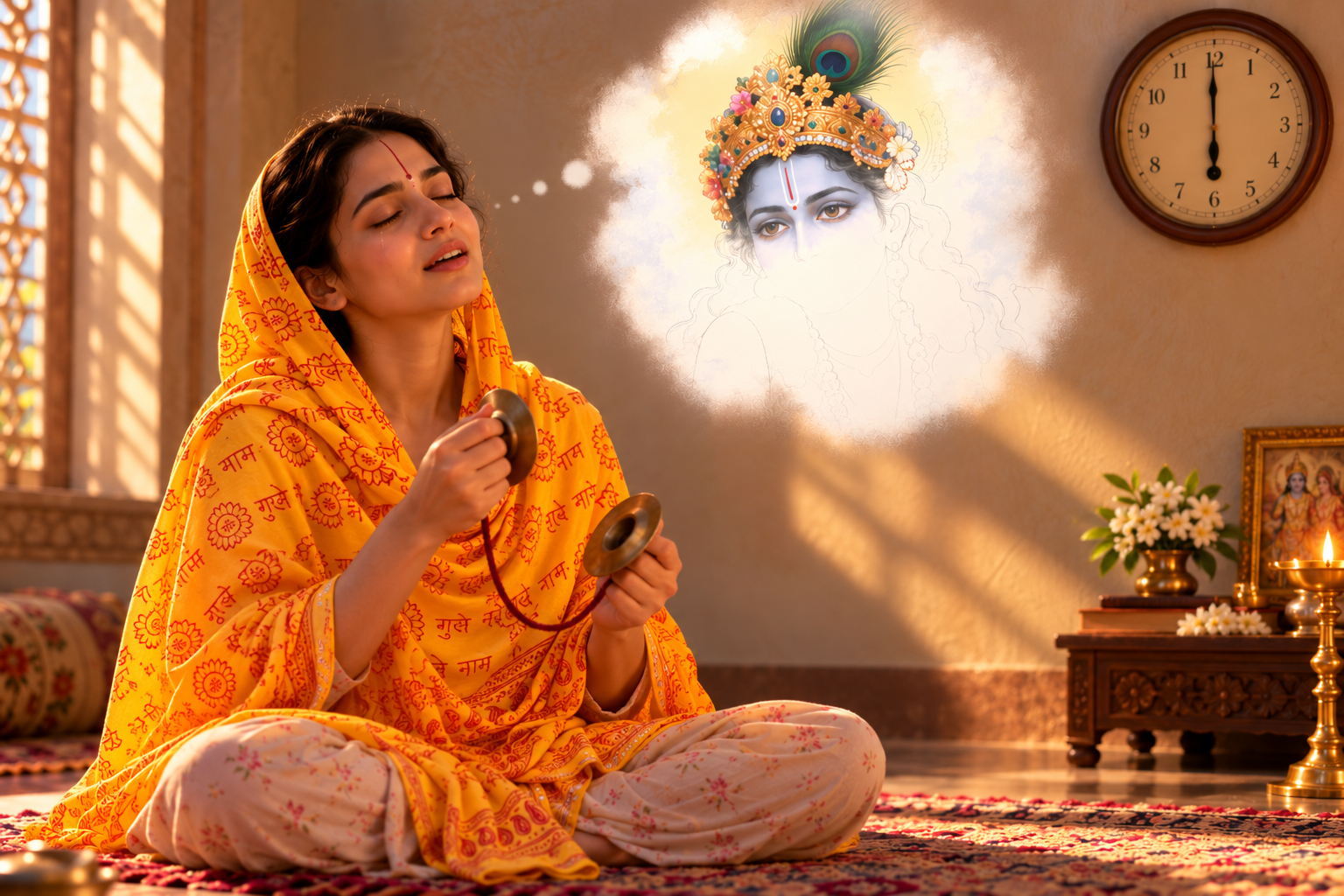
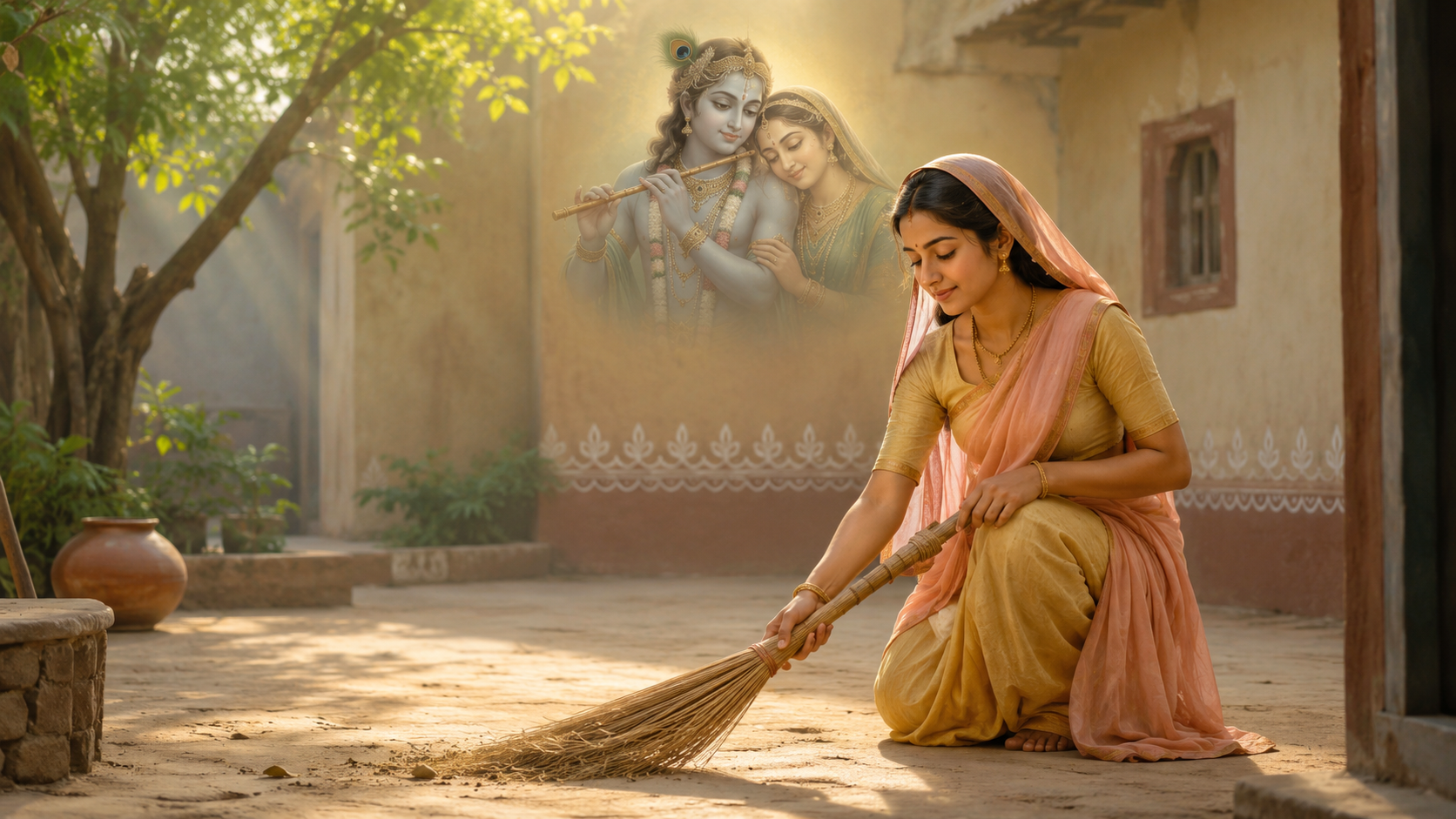
In Sadhana Bhakti, nirantar refers to the continuous remembrance of God and Guru. Shri Maharaj Ji teaches that remembrance should not be limited to designated periods of devotional practice. The practice is to keep the mind connected with God and Guru throughout one's activities.
Why Must Remembrance Be Continuous?
The nature of the mind is to think continuously. It does not remain inactive.
For the Jeev, there are only two realms: Bhagawan and Maya. Therefore, the continuously active mind also has only two directions in which it can become absorbed.
When the mind is engaged in remembrance of God and Guru, it is directed toward the Divine realm. The moment Divine remembrance stops, the mind turns toward the realm of Maya.
Thoughts and attachments within Maya create Karm Bandhan — karmic bondage. Therefore, every break in Divine remembrance returns the mind to the very realm from which the Jeev is trying to become free.
The same essential requirement may be expressed using different words in different teachings. The Shrimad Bhagavata Mahapurana, for example, describes Bhakti as apratihata — unhindered or unobstructed. The important point is not the difference in terminology: Bhakti must continue without interruption.
Human life is finite, and no one knows when it will end. Therefore, the practice of remembering God cannot be indefinitely postponed or confined to occasional periods of devotion.
Remember God continuously, and make haste.
How Is Nirantar Remembrance Practiced?
Nirantar remembrance does not mean performing only external devotional activities throughout the day. The essential practice takes place in the mind.
While performing one's necessary activities, the devotee strives to keep the mind connected with God and Guru through loving remembrance.
The scriptures compare this continuity to an unbroken stream of oil. When oil is poured, it flows in a steady thread without breaking. In the same way, remembrance of God should progressively become uninterrupted.
The Essential Principle
The same essential requirement of Bhakti may be expressed using different words in different scriptures or teachings. The Shrimad Bhagavata Mahapurana, for example, describes Bhakti as apratihata — unhindered or unobstructed.
The important point is not the difference between the words. Bhakti must continue without interruption.
The mind is continuously active. Every moment it is not directed toward God and Guru, it returns to Maya and continues creating material bondage.
Human life is finite, and no one knows when it will end. Therefore, the practice of remembering God cannot be indefinitely postponed or confined to occasional periods of devotion.
Remember God continuously, and make haste.
Related Concepts
Go Deeper
- Pillars of Sadhana Bhakti — Understand continuous remembrance as one of the fundamental requirements of Sadhana Bhakti.
- Why Is Loving Remembrance of God Essential? — Explore why loving remembrance of God is essential in the practice of Bhakti.