Smaran (स्मरण)
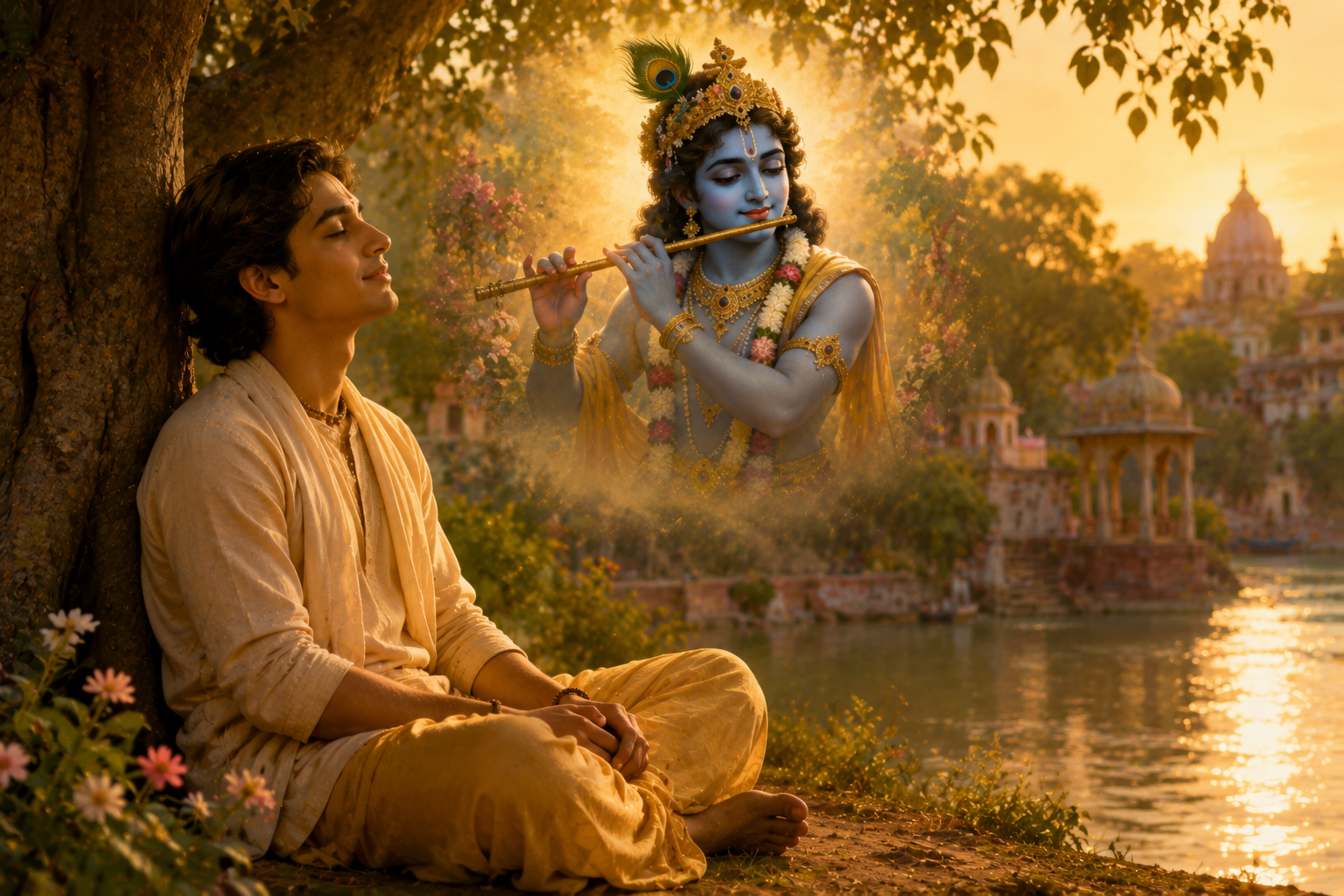
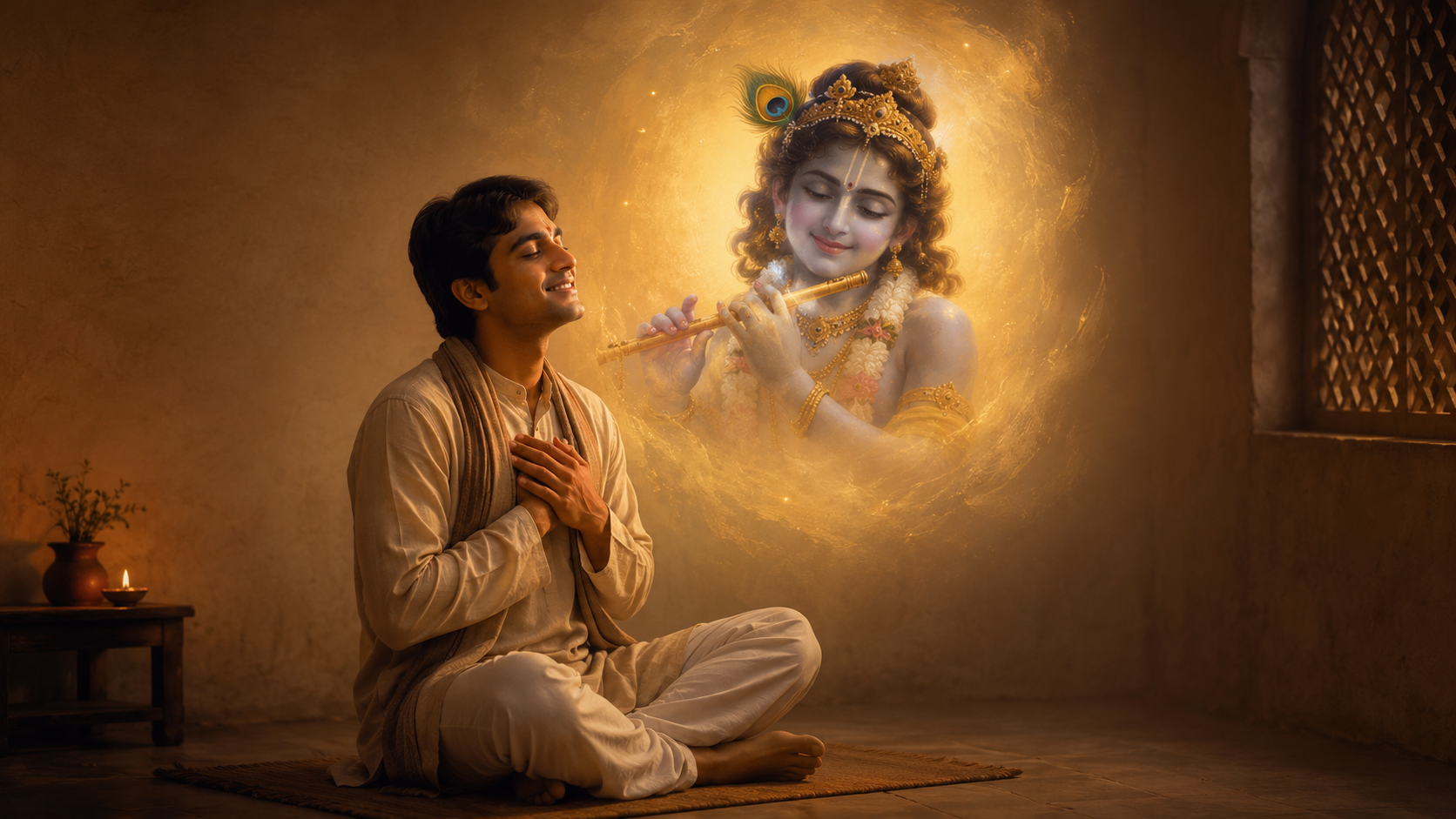
Smaran (स्मरण | smaraṇa) means remembrance. In Bhakti, it refers to the loving remembrance of God in the mind.
How Is Smaran Practiced?
Smaran begins by bringing the Divine form of God into the mind. This loving remembrance of His form is called Roopdhyan.
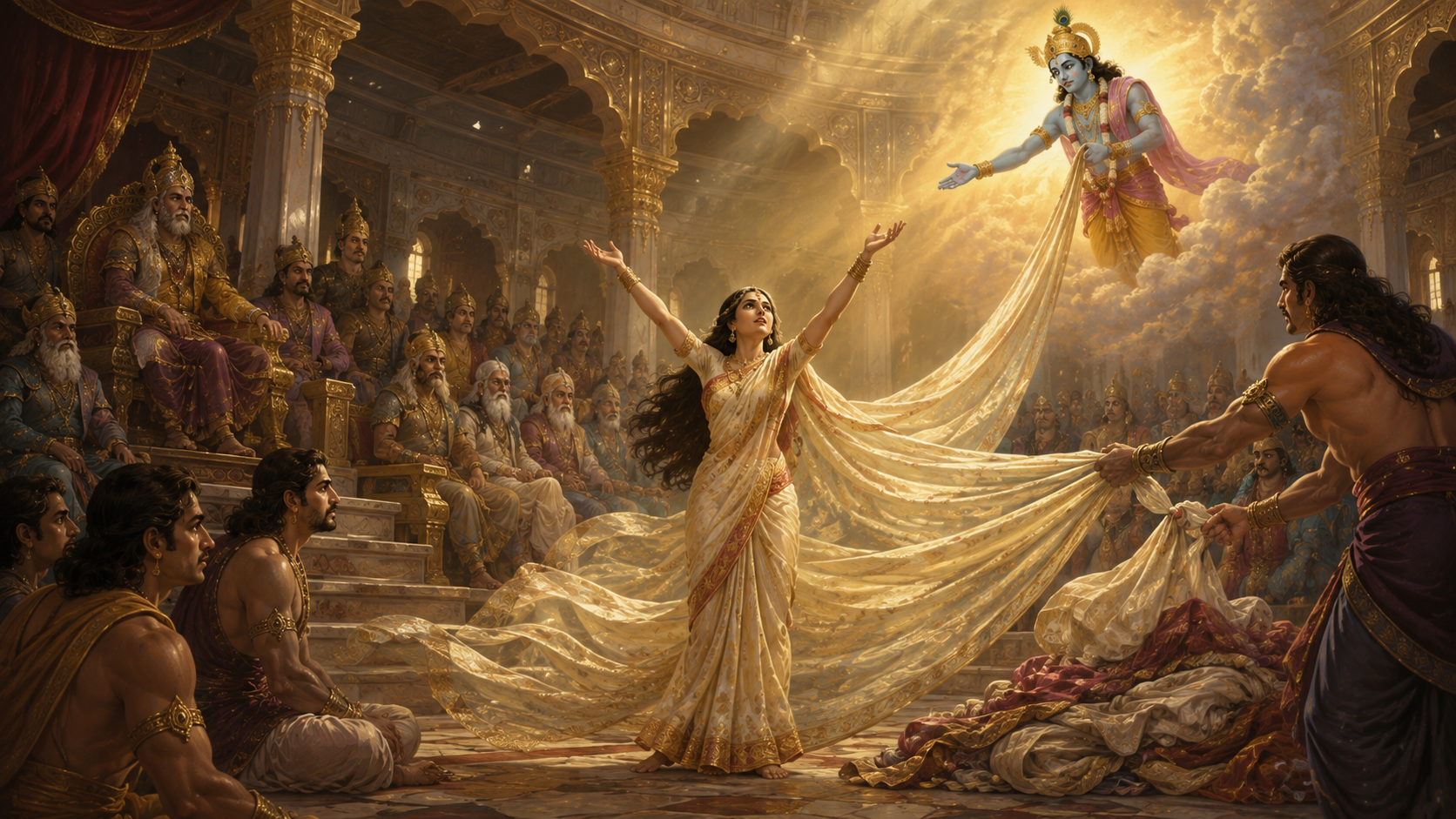
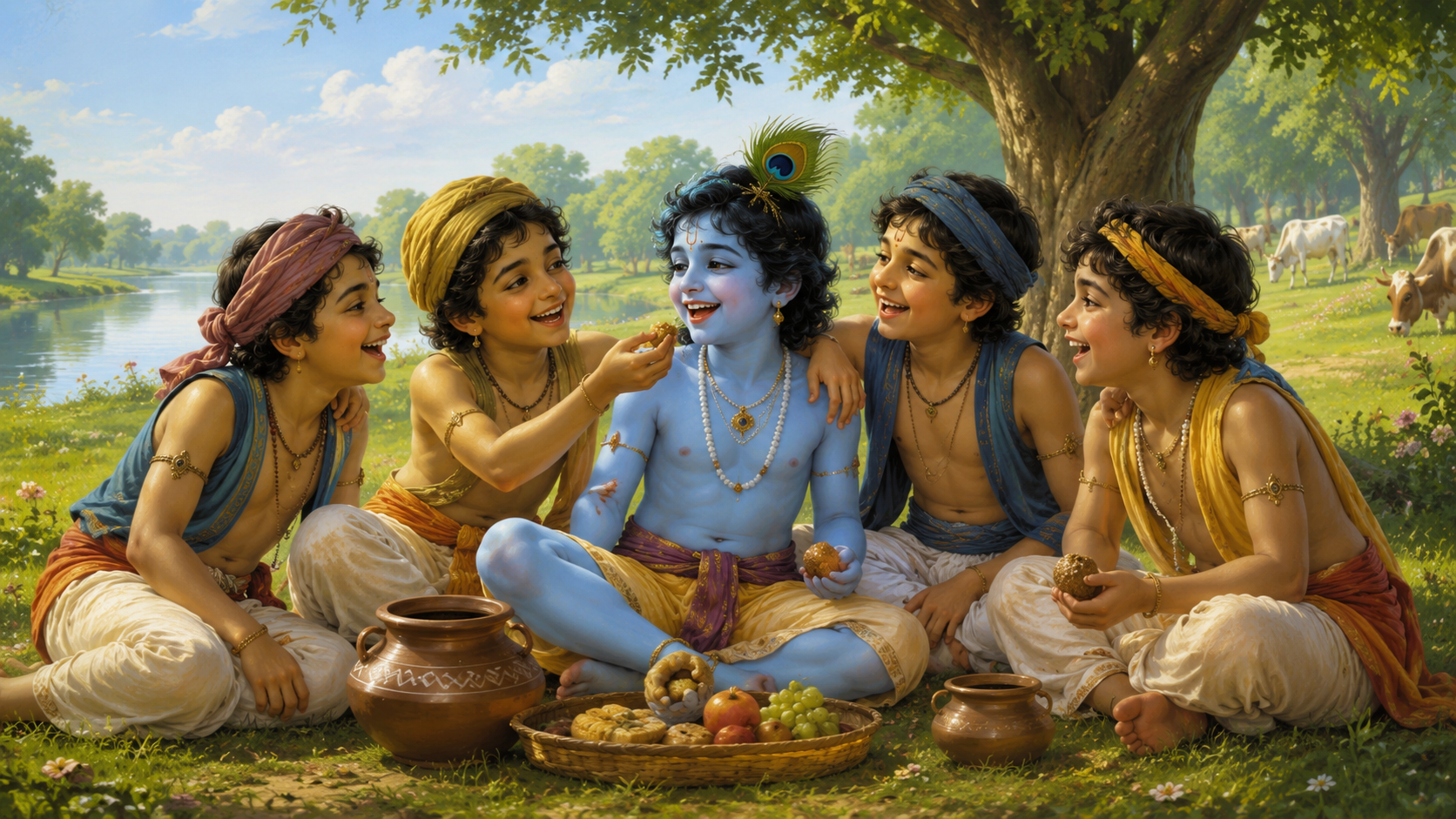
The devotee then lovingly endows that form with Divine beauty, qualities, characteristics, actions, Leelas, and other attributes of the Beloved. Remembering all of these within the mind is Smaran.
Thus, Roopdhyan is not separate from Smaran. Remembrance of the Divine form is the first step of Smaran, providing the Divine person around whom further loving remembrance can unfold.
Why Is Smaran Essential?
Smaran is the life force of Bhakti.
The scriptures describe nine forms of devotion known as Navadha Bhakti. Eight involve different activities of the senses, while Smaran directly engages the mind.
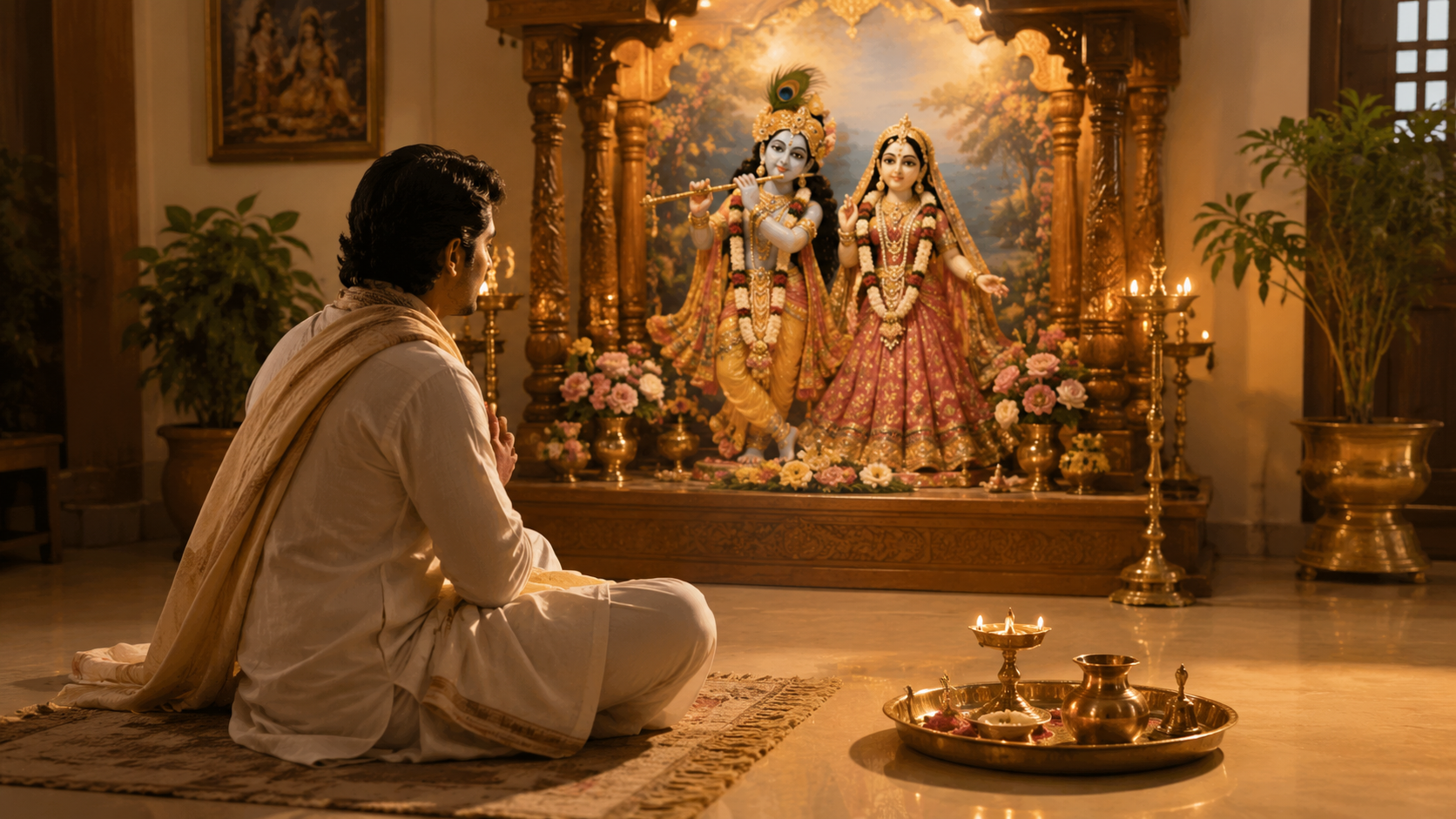
Without loving remembrance of God in the mind, the other forms of devotion are like a body without life. A person may listen to Divine teachings, sing Kirtan, perform seva, or engage in other devotional activities, but the mind must also remain lovingly engaged in God.
Other Terms for Remembrance
Several terms are used for remembrance or contemplation of God, including:
- Sumiran (सुमिरन | sumirana)
- Chintan (चिन्तन | cintana)
- Manan (मनन | manana)
The terminology may vary; the essential practice is lovingly engaging the mind in God.
Related Concepts
Go Deeper
- Roopdhyan — Devotional Remembrance — Explore how the Divine form becomes the focus of loving remembrance.
- Navadha Bhakti — Nine Practices — Understand why Smaran gives life to the other forms of devotional practice.