Brahm (ब्रह्म)
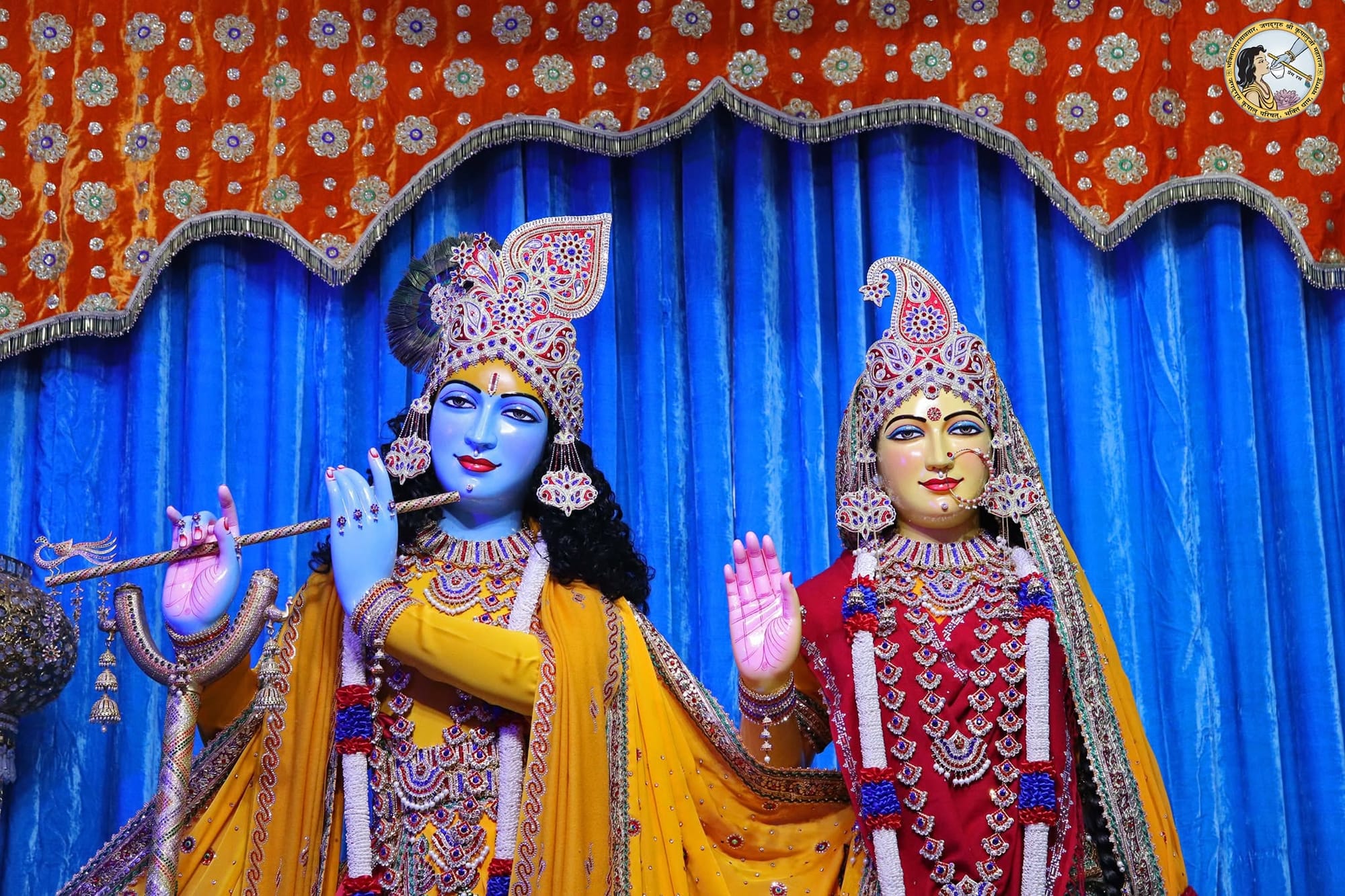
Brahm (ब्रह्म | brahma) refers to the Supreme God or Supreme Lord.
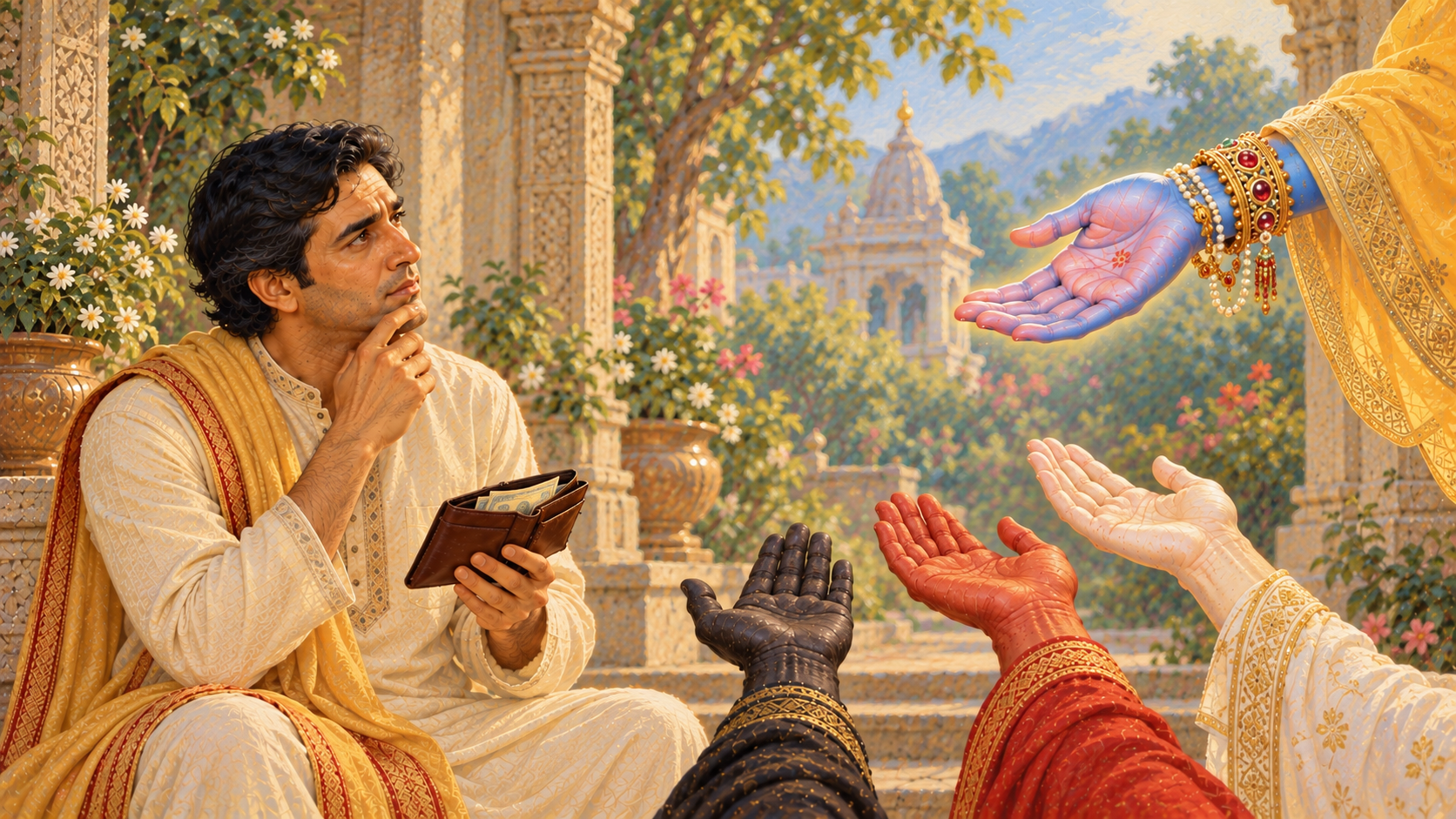
The Vedas use the word Brahm for the Supreme Divine Being. Brahm is infinitely great and is the Master of both Jeev, the individual soul, and Maya, His inert material power.
The word Brahm is explained through two etymological derivations:
- brihatvat brahm — one whose greatness is unlimited.
- brimhanatvat brahm — one who makes others equal to Him in greatness.
Thus, Brahm is not only infinitely great; He also possesses the power to bestow His Divine powers upon a completely surrendered soul and make that soul great like Himself.
Shri Krishna is therefore called Brahm because He is the Supreme Lord.
Brahm and Nirakar Brahm
The word Brahm is also commonly used as a shortened form of Nirakar Brahm, the impersonal, formless aspect of God.
This gives the word Brahm two related uses that must be understood from context:
- Brahm — the Supreme Lord: In its broad sense, Brahm refers to the Supreme God. Thus, when Shri Krishna is called Brahm, it means that Shri Krishna is the Supreme Lord.
- Brahm — Nirakar Brahm: When Brahm, Paramatma, and Bhagavan are distinguished as different Divine forms or aspects, Brahm refers specifically to Nirakar Brahm, the impersonal aspect of the Supreme God.
These usages do not refer to different Gods. God is one, while possessing different Divine forms and aspects.
Also written as: Brahman
Note: Brahm (ब्रह्म) should not be confused with Brahma (ब्रह्मा), the creator within the material universe.
Related Concepts
- Jeev
- Maya
- Nirakar Brahm
- Paramatma
- Bhagavan
- Shakti
Continue the Inquiry
- Brahm — The Supreme God
- Aspects of Brahm
- Sat-Chit-Anand
- How Can God Be Both Formless and Have a Personal Form?
Reference
- Prema Rasa Siddhanta - Philosophy of Divine Love, Ch. 11
- Paid Subscription: Mein Kaun? Mera Kaun Lecture? Lecture 39 — 51:16