Pancham Purusharth (पंचम पुरुषार्थ)
Pancham Purushartha is the fifth and highest goal of life taught in the Vedic tradition—the attainment of Divine Love and the full realization of the soul's eternal relationship with Shri Krishna.
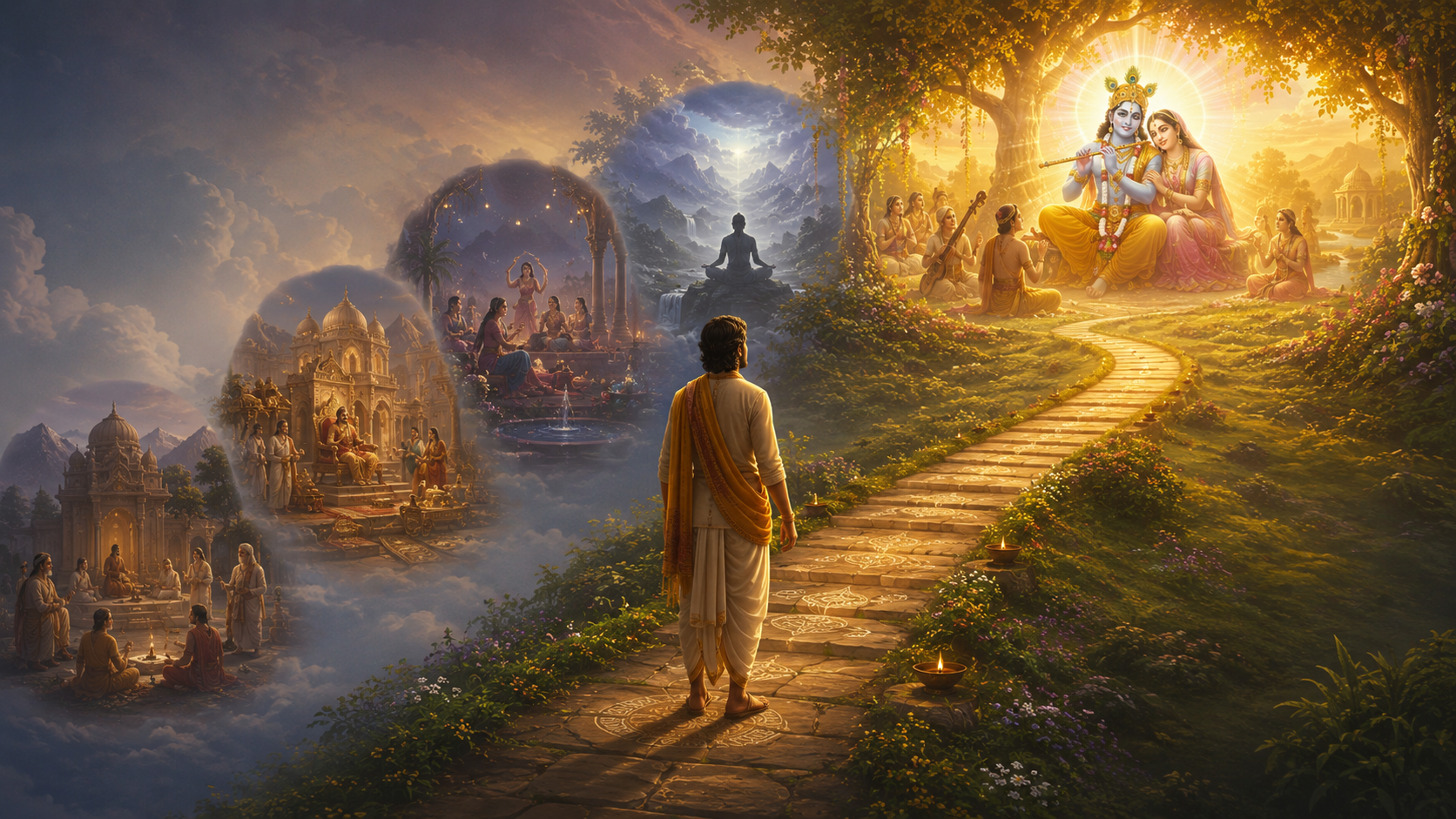
Pancham Purusharth (पंचम पुरुषार्थ | pañcama puruṣārtha) means “the fifth goal of life.”
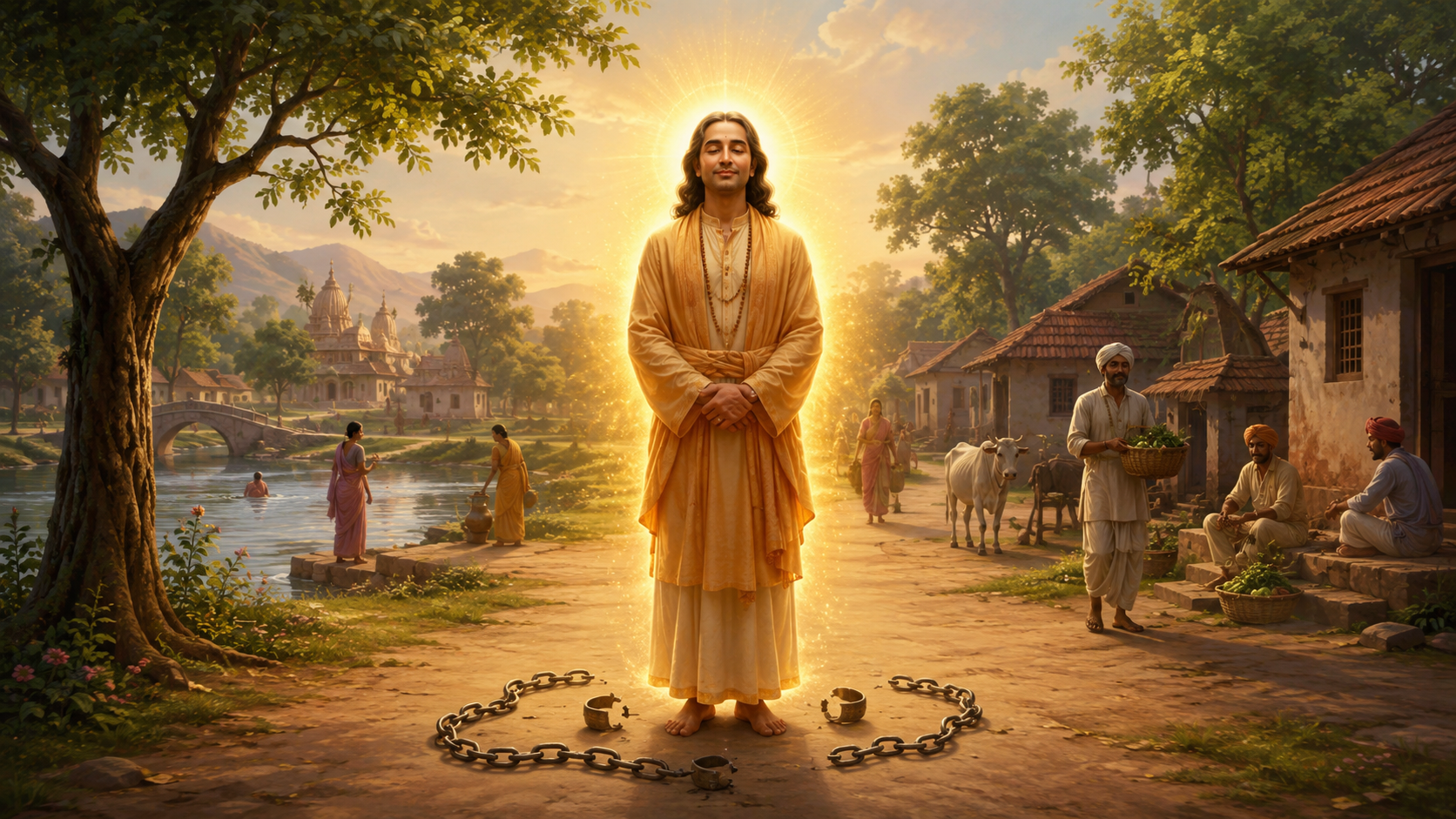
In the Vedic tradition, four common human aims are described: dharm, arth, kaam, and moksh. These are known as the four purusharthas. However, Shri Maharaj Ji explains that even moksh, or liberation from Māyā, is not the final fulfillment of the soul.
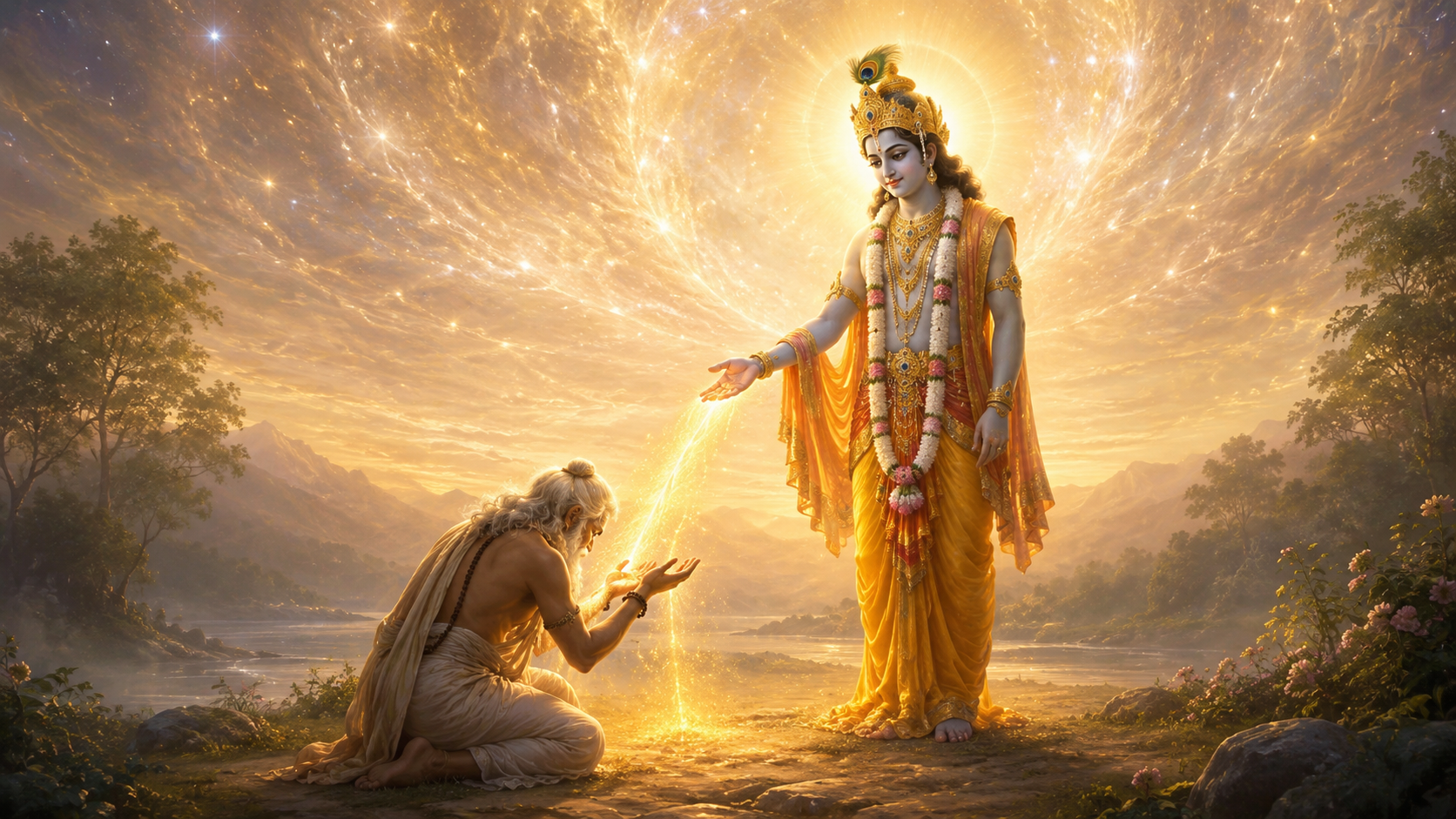
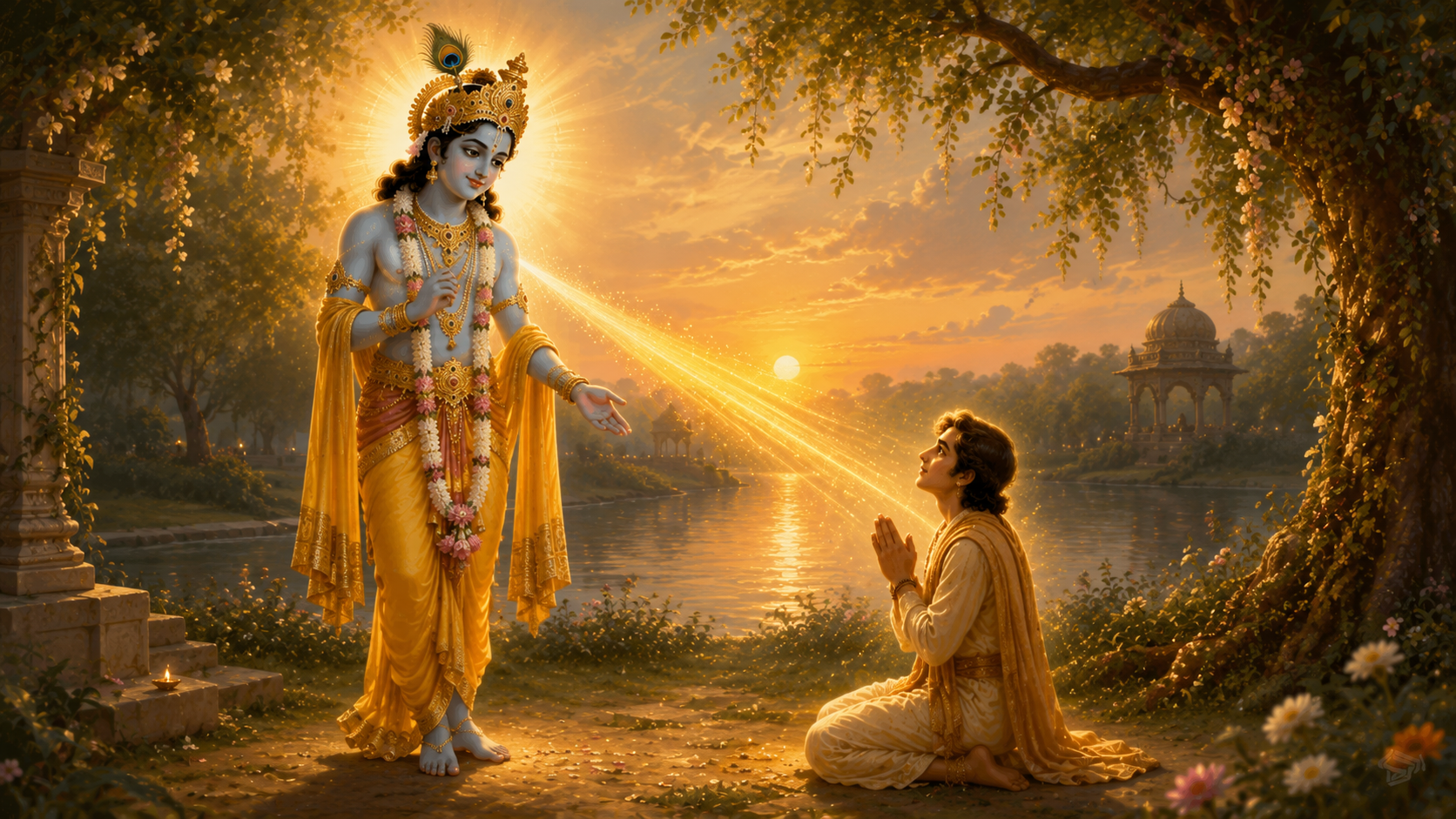
The soul’s highest aim is Pancham Purushartha — the attainment of Divine Love and the full realization of one’s eternal relationship with Shri Krishna.
What It Means
The word pancham means “fifth,” and purushartha means “human aim” or “goal of life.”
Pancham Purushartha therefore refers to the goal beyond the four commonly discussed aims of human life.
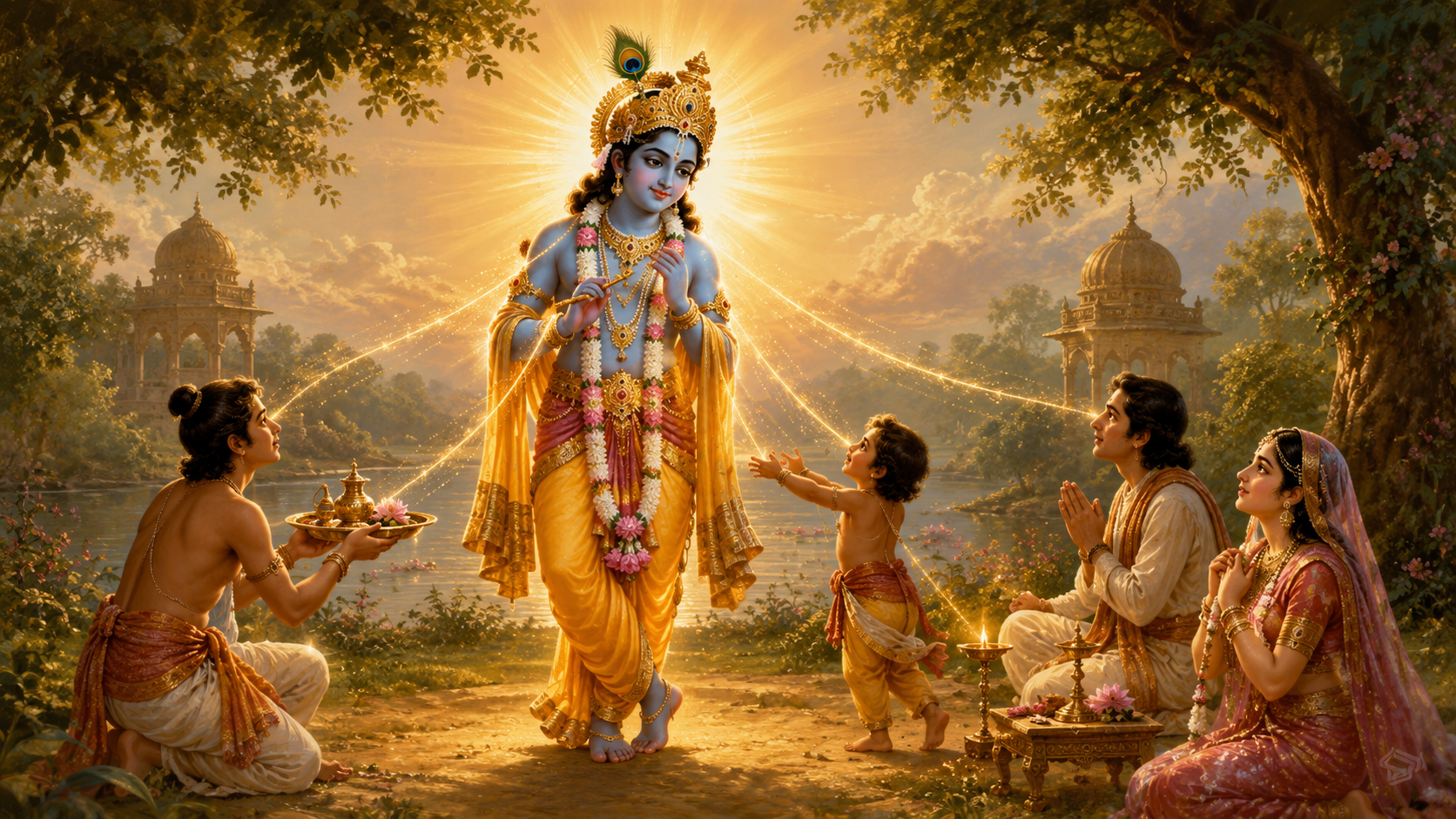
This fifth goal is not merely freedom from suffering. It is not simply escape from rebirth. It is the positive attainment of Divine Love, Divine service, and eternal relationship with God.
Why It Matters
A soul does not ultimately long only for freedom from pain.
The soul longs for unlimited, eternal, ever-increasing Divine Bliss.
For this reason, liberation alone cannot fully satisfy the soul. Moksh may free one from Māyā, but Divine Love fulfills the deepest longing of the soul.
Pancham Purushartha identifies this highest fulfillment.
Key Insight
The fifth goal is higher than liberation.
The soul is not fulfilled merely by becoming free from bondage. The soul is fulfilled by attaining loving union, service, and relationship with Shri Krishna.
Thus, Pancham Purushartha points to the supreme aim of life: Divine Love.
In Context
This term is central to understanding why the Vedic path does not end with dharm, arth, kaam, or even moksh.
It explains why Shri Maharaj Ji repeatedly teaches that the ultimate goal is not worldly happiness, heavenly enjoyment, or liberation, but Divine Love for Shri Krishna.
Further Reading
Related Concepts
- Purushartha
- Dharm
- Arth
- Kaam
- Moksh
- Prema Bhakti