God Is the Master of His Powers
If God’s powers operate according to His nature, does that mean He is somehow constrained or governed by those powers?
📍 Where You Are in the Inquiry
The preceding inquiry established that God's unlimited power does not mean that He acts contrary to His own nature. Fire may burn everything, yet it cannot burn itself. Likewise, God may manifest uncountable forms while remaining one God; His omnipotence does not require Him to perform what is contrary to His nature.
This brings us to the principle underlying those answers.
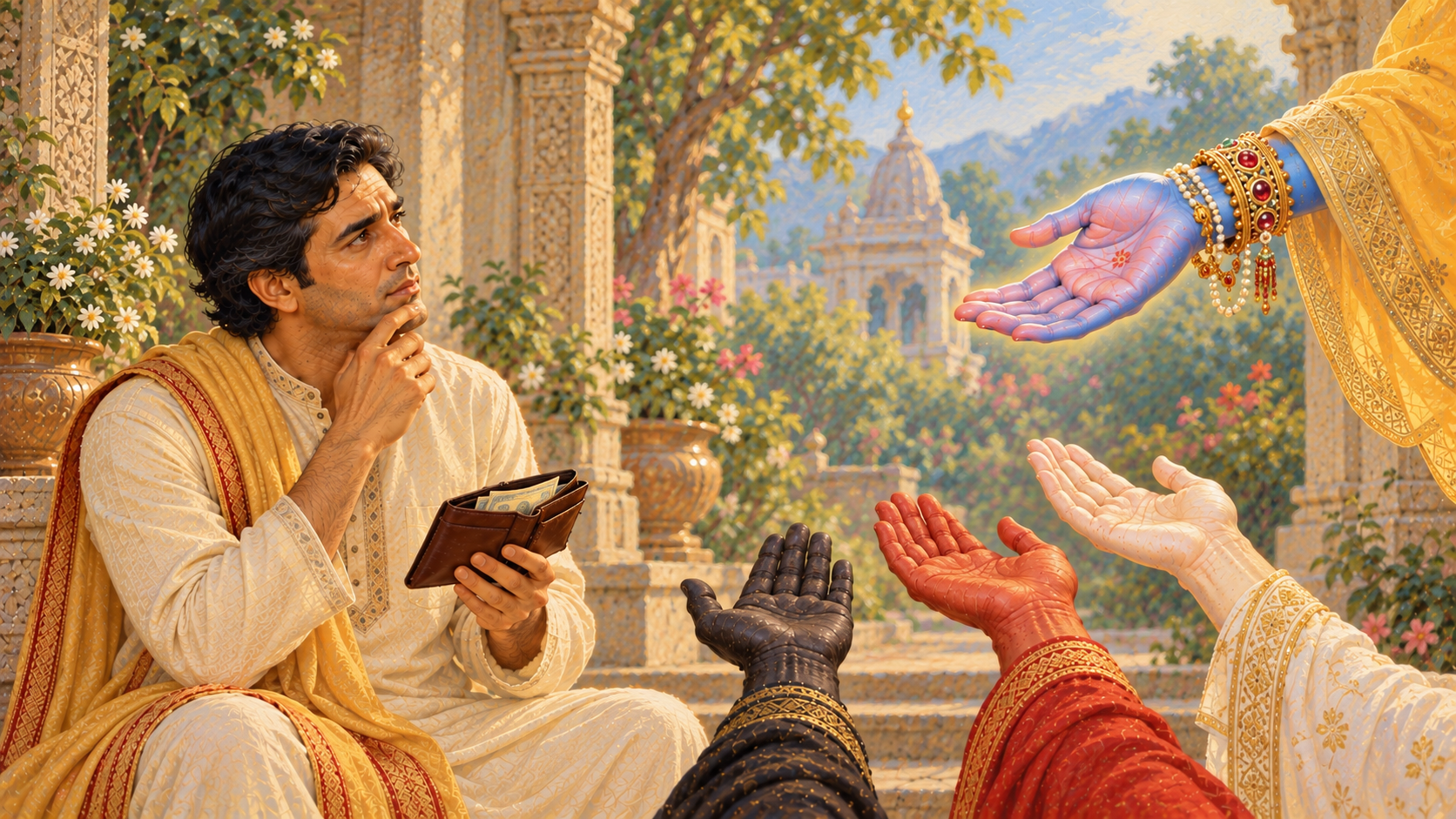
If God's powers always operate according to His nature, does that mean God is somehow constrained or governed by His own powers?
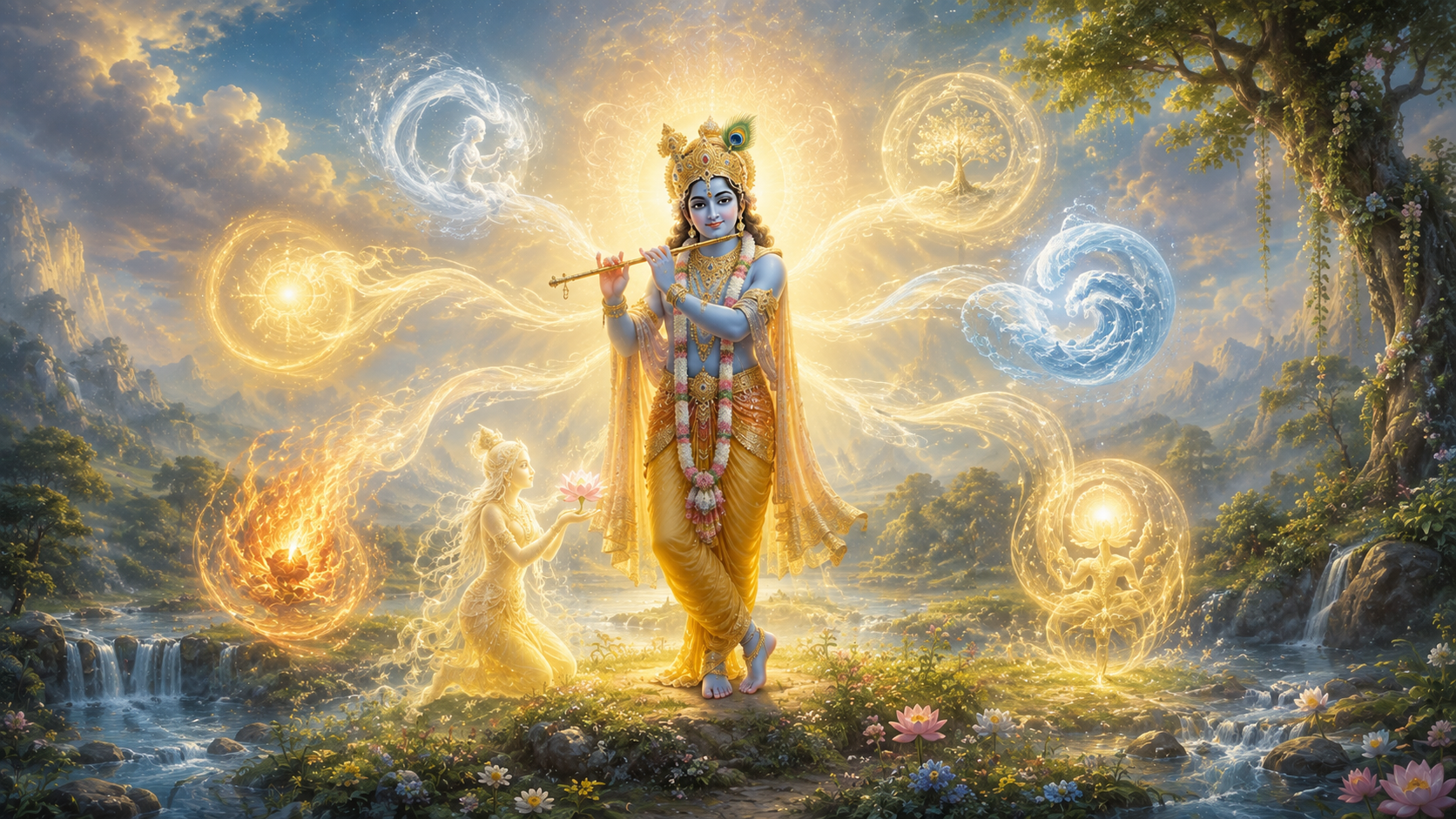
No. The relationship is the reverse: God is the Master of all His powers.
God Is Not Subordinate to His Powers
The principle established through the example of fire applies to God: God cannot act contrary to His own nature.
But this does not mean that some independent power stands above God and restricts what He may do. If that were so, God Himself would be subordinate to His powers.
His powers do not stand above Him or govern Him. He is the Master of all His powers, and His powers serve Him.
Therefore, arguments that attempt to test God's omnipotence by requiring Him to act contrary to His own nature do not apply.
The question is not whether some external limitation prevents God from doing such things. His powers belong to Him and operate in accordance with His nature.
Scripture Establishes Both Aspects of God
This brings the inquiry back to the question with which this series began: Can God truly be both impersonal and personal?
The two are not competing theories from which one must be chosen.
The scriptural tradition consistently establishes both aspects of God. From the Vedas to the Ramayan, the scriptures explain both His impersonal aspect and His personal aspect.
Thus, God's Nirakar (निराकार | nirākāra) existence does not negate His Sakar (साकार | sākāra) Divine personal form, nor does His personal form eliminate His impersonal existence.
Both are true of the same God.
But establishing that both aspects exist leaves a practical spiritual question:
Which aspect of God should the seeker worship?
Worship of the Impersonal Aspect Is Extremely Difficult
The worship of God's impersonal aspect has already been explained to be extremely difficult.
The difficulty begins even before one practices the path of Gyan (ज्ञान | jñāna).
First, the seeker must possess the qualifications required to enter the path. Those qualifications themselves are extremely difficult to attain.
Then the path of Gyan itself is extremely difficult.
And even at the final stage of Gyan, the experience of Divine Bliss is negligible.
A person who nevertheless desires to worship the impersonal aspect of God may do so. But that person must first become qualified according to the rules governing the path of Gyan—qualification that is extremely difficult to attain in this age.
This is the opinion of all the scriptures.
From God's Impersonal Aspect to His Personal Form
The inquiry has therefore established two different matters that should not be confused.
First, both the impersonal and personal aspects of God are true. Scripture establishes both. God's personal form does not exist because His impersonal aspect is somehow incomplete or false.
Second, the fact that both aspects are true does not mean that their respective paths of worship are equally accessible.
The path associated with worship of the impersonal aspect requires extremely difficult qualifications, is itself extremely difficult, and yields negligible experience of Divine Bliss even at its final stage.
Therefore, although the impersonal aspect of God remains a scripturally established reality, the present teaching now turns elsewhere:
to devotion to the personal form of God.
Where This Inquiry Leads
God is not subordinate to His powers. He is their Master, and His powers operate in accordance with His own nature.
The apparent contradiction with which this inquiry began is therefore resolved. Scripture establishes both God's impersonal and personal aspects. His assumption of a Divine personal form neither destroys His formless existence nor compromises His omnipresence, and His uncountable manifestations never divide the one God into independent Gods.
Yet understanding that both aspects are real is only the foundation.
The path of worship of the impersonal aspect is extremely difficult—from attaining the qualifications required to enter it, through practicing the path itself—and even its final experience of Divine Bliss is negligible.
The teaching therefore now moves from the reality of God's personal form to the mystery of His Divine descension: Avatar Tattva.
Go Deeper
- Shakti
- Gyanmarg — Path of Gyan
- The Path of Gyan Is a Walk on the Razor's Edge
- Worship the Loving Form of Ma Durga
- Yogmaya Shakti
Continue the Inquiry
(Part 4 of 4 — Impersonal and Personal Aspects of Brahm — The Clarity)
We have established that God possesses both impersonal and personal aspects, while worship of His impersonal aspect is extraordinarily difficult. The inquiry can now move forward from whether God has a Divine personal form to how and why the Divine descends into the world.
- ⬅️ Previous: Does Being All-Powerful Mean God Can Do Anything?
- ➡️ Next: Why Does the All-Powerful God Descend?
- 🔙 Back to Hub: Impersonal and Personal Aspects of Brahm — The Clarity