
Impersonal and Personal Aspects of Brahm — The Clarity
Can Brahm truly be both Nirakar and Sakar, or do God's impersonal and personal aspects contradict one another?
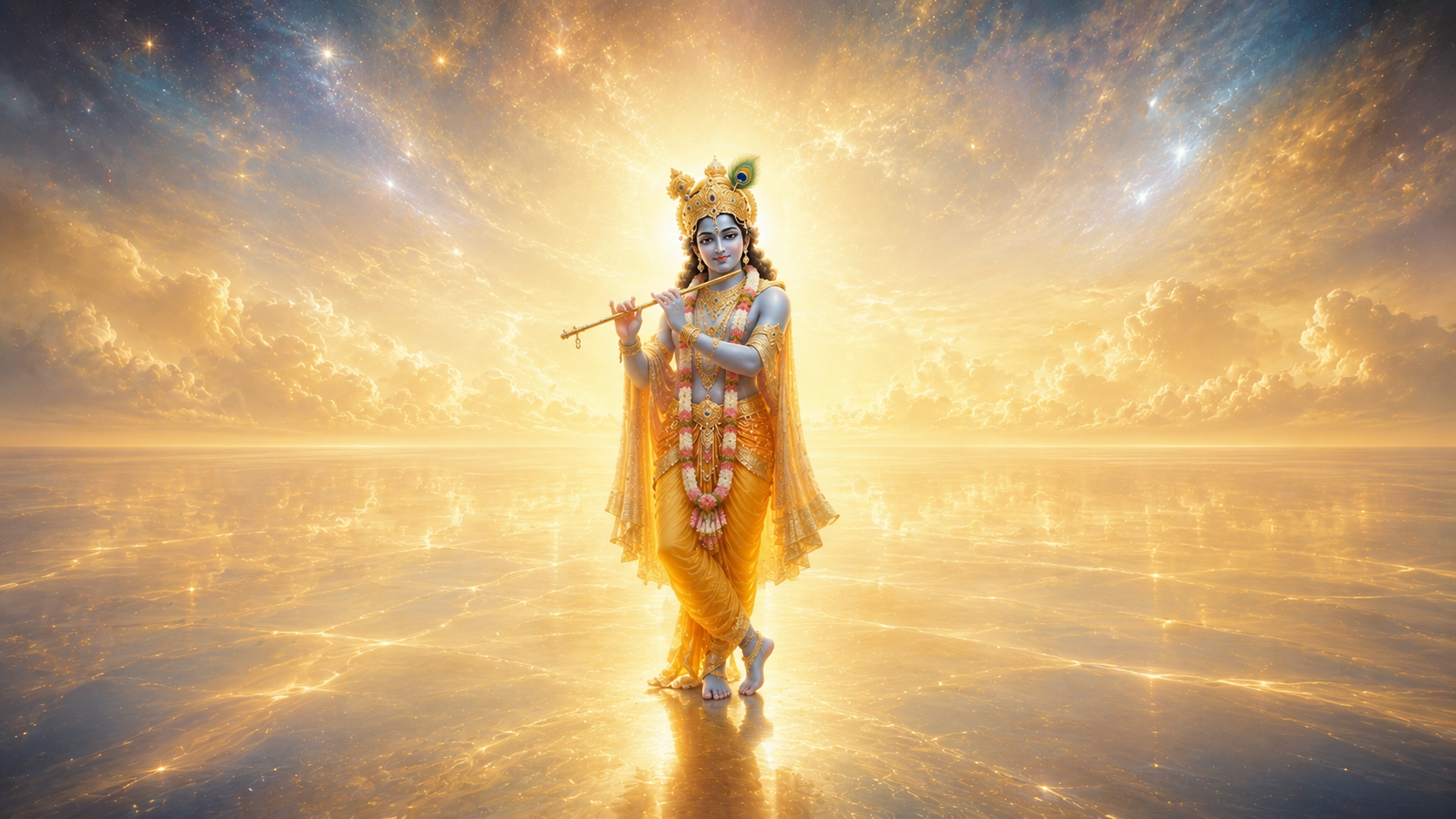
📍 Where You Are in the Inquiry
Bhakti means loving remembrance of God. But before the mind can be absorbed in Him, a fundamental question must be resolved: What is the nature of the God being remembered?
The Vedas describe Brahm as Nirakar—an impersonal Divine existence without personal form—yet they also establish His Sakar Divine personal form. To ordinary reasoning, these descriptions can appear incompatible. If God is formless, how can He possess a form? If He takes a form, does His formless, omnipresent existence cease? And what does God's unlimited power actually mean when considering such apparent contradictions?
This inquiry examines that seeming conflict. Resolving it is necessary before the teaching can move from loving remembrance of God to the Divine personal form that the devotee loves and remembers.
Read in Order
These four articles form one progressive inquiry and are best read in sequence.
- How Can God Be Both Formless and Have a Personal Form?
Can Brahm be Nirakar while also possessing a Sakar Divine personal form? - Can Nirakar God Really Take Form?
Can the formless God take a personal form without His omnipresent existence disappearing? - Does Being All-Powerful Mean God Can Do Anything?
Does Divine omnipotence mean absolutely anything is possible, even what is contrary to God's own nature? - God Is the Master of His Powers
If God's powers operate according to His nature, is God somehow constrained or governed by those powers?
Where This Leads
The apparent conflict between Nirakar and Sakar arises when Divine reality is measured by the limitations of material existence. Scripture establishes both aspects of Brahm: God has an impersonal Divine existence and an eternal Divine personal form. His personal form does not eliminate His formless, omnipresent existence.
Nor does God's omnipotence require Him to act contrary to His own nature. God is not governed or constrained by some independent power. He is the Master of all His powers, and His powers serve Him.
Thus, God's impersonal and personal aspects are not competing explanations of God. Brahm is both Nirakar and Sakar; both are eternally true of the same God.
Once this is clear, the inquiry becomes practical. Although the impersonal aspect is scripturally established, its path of worship requires extraordinarily difficult qualifications, is itself extremely difficult, and even at its culmination yields negligible experience of Divine Bliss. The teaching therefore turns toward devotion to God's Divine personal form.
And that raises the next inquiry: How and why does the Divine personal form descend into the world?
Continue the Inquiry
- ⬅️ Previous: Bhakti Yoga — The Path
- ➡️ Next: Avatar Tattva — The Descent
- 🔙 Back to: Siddhant (Doctrine)