
Is God Omnipresent?
If God is everywhere, why do the scriptures say He lives in Golok? Discover how His Para Shakti makes both truths simultaneously possible.

If God is everywhere, why do the scriptures say He lives in Golok? Discover how His Para Shakti makes both truths simultaneously possible.
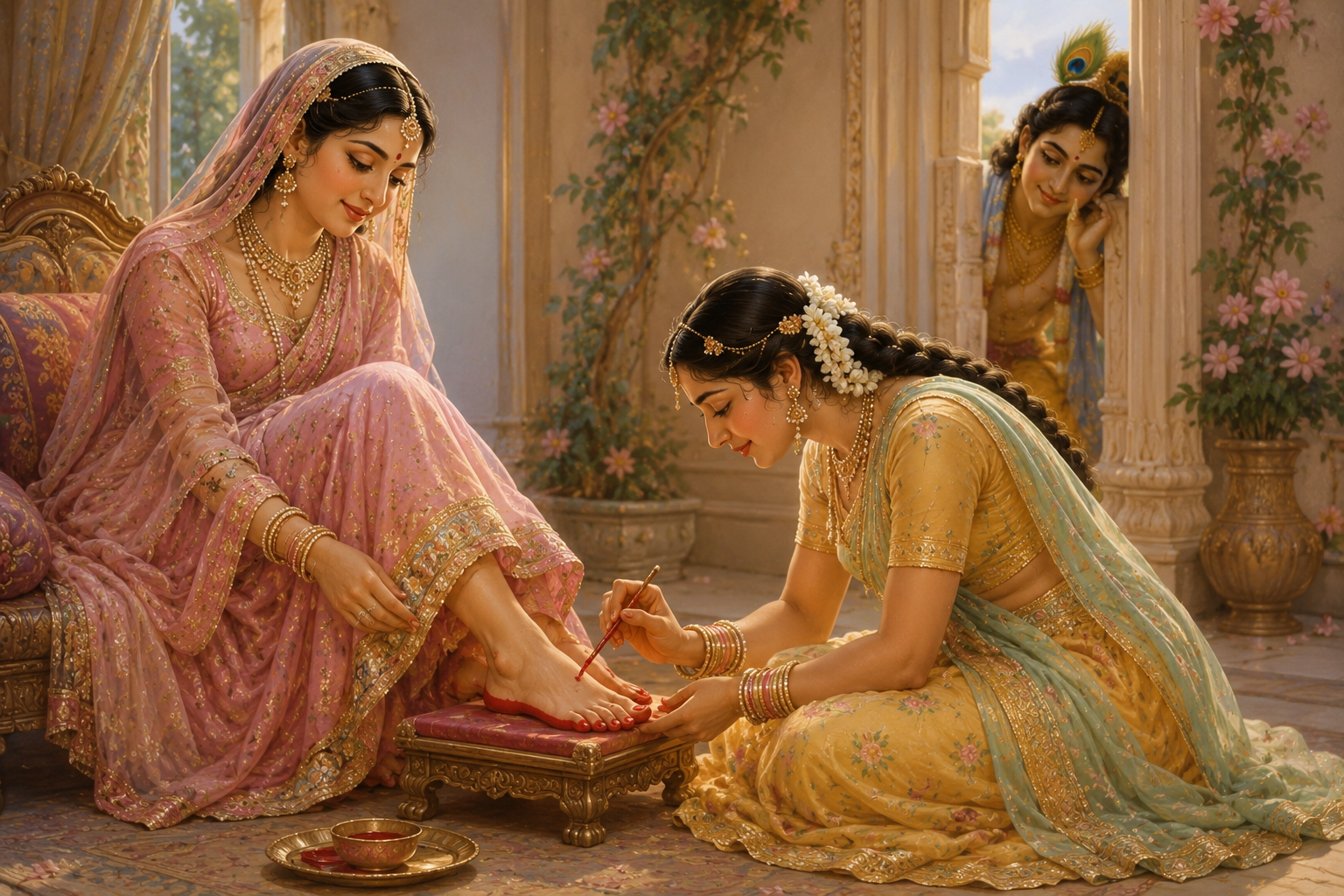
Nishkamata (निष्कामता | niṣkāmatā) means freedom from the desire for one's own happiness. In Bhakti, nishkamata does not mean having no desires. A devotee may intensely desire to see God, remember Him, serve Him, love Him, and please Him. What changes is the purpose of those
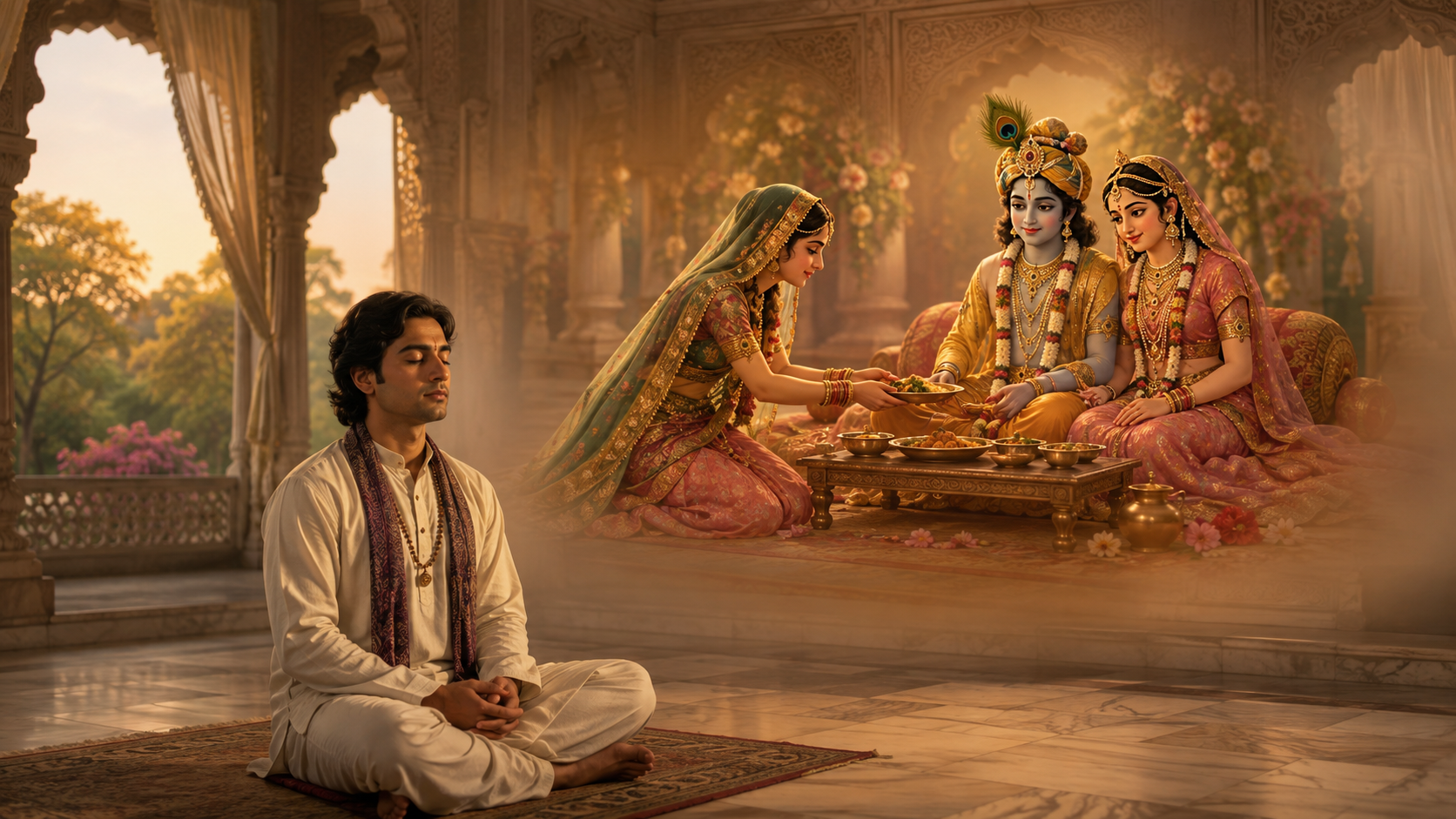
Manasi Seva (मानसी सेवा | mānasī sevā) means serving God and Guru mentally. In Manasi Seva, the devotee performs seva in the mind. The devotee may mentally contemplate the Divine form, offer food, adorn the Divine Beloved, attend to Their comfort, accompany Their lilas, or perform other loving acts

malini (Devanagari: मालिनी ; ISO 15919: mālinī) is the feminine form of the word Mali (gardener). It refers to a female gardener or the wife of a gardener. She is traditionally responsible for crafting and selling floral ornaments, such as garlands and gajras (hair adornments). Further Reading and Reference
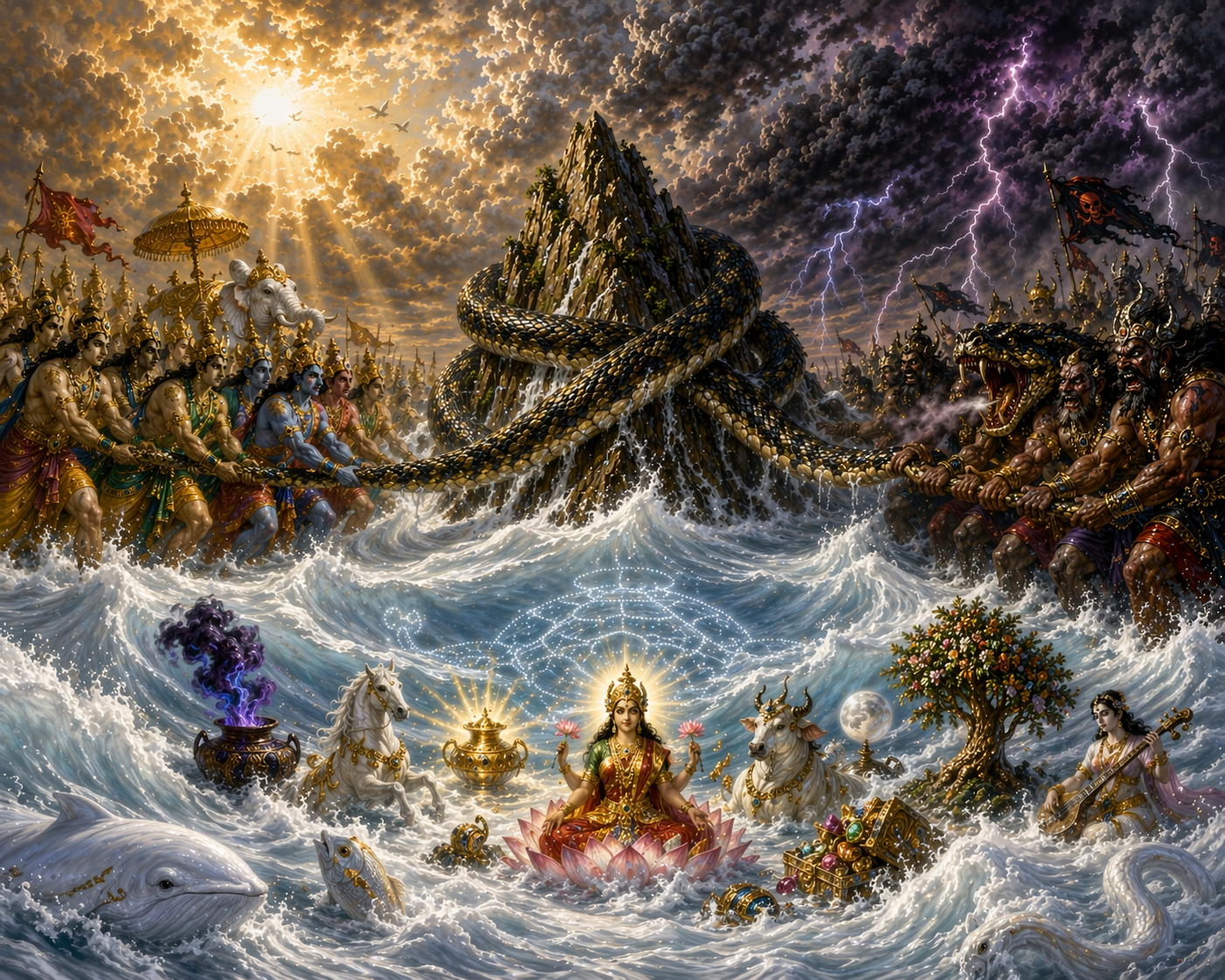
Kshirasagara (क्षीरसागर | kṣīrasāgara) refers to the Ocean of Divine Milk. It is within this cosmic ocean that Lord Vishnu reclines upon Shesha Naga, His thousand-headed divine servant. Devatas and the demons had churned this divine ocean during Samudra Manthan leela. Further Reading and Reference * Reference: Prema
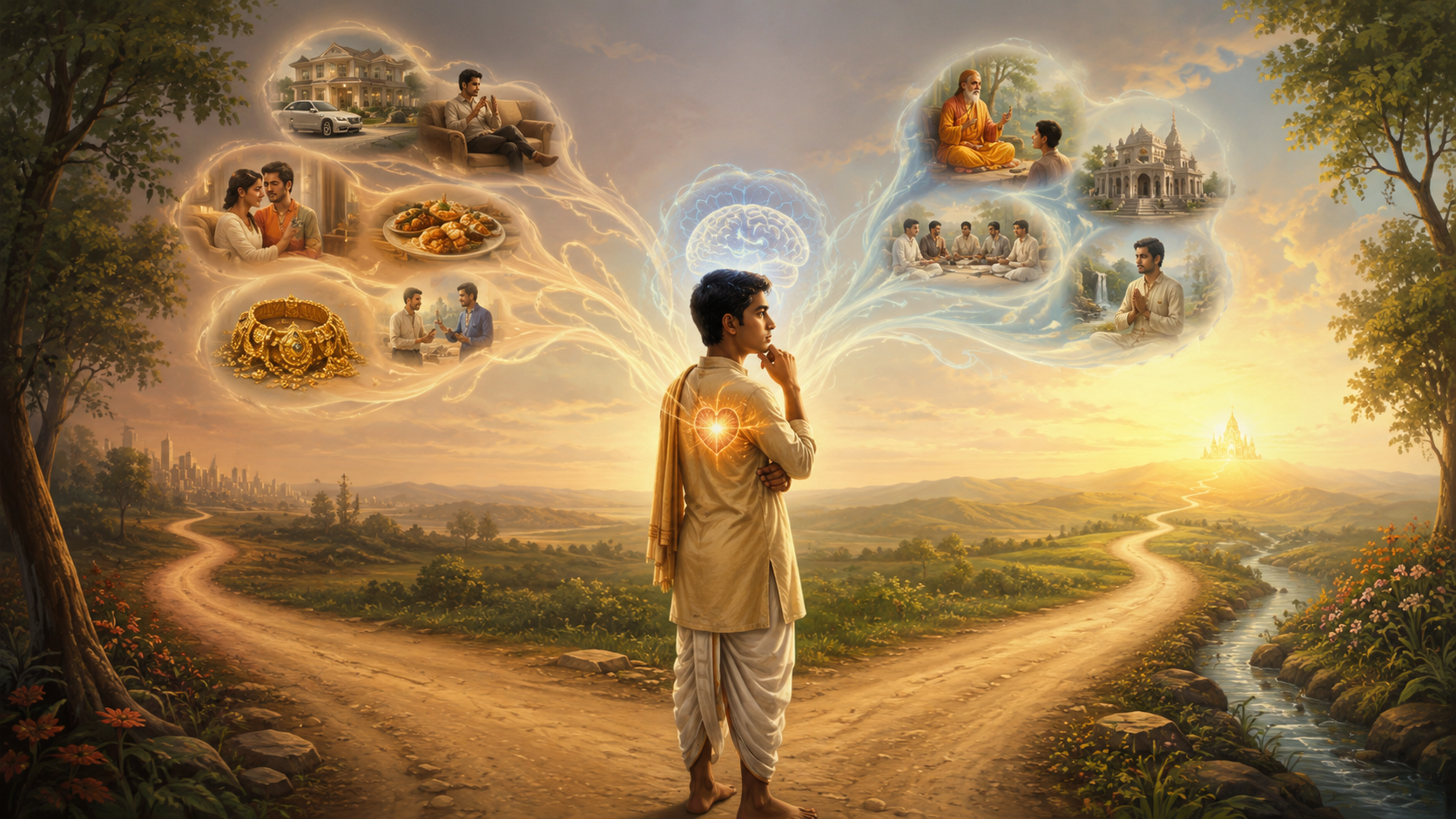
Kriyaman Karm refers to actions presently performed through mind, speech, and body. These actions become the source of future karmic consequences.

Kaitava (Devanagari: कैतव; ISO 15919: kaitava) signifies deception, cheating, or a "con." According to the Srimad Bhagavatam, this term applies to the four traditional human pursuits (Purusharthas): * Dharma: Prescribed scriptural duties. * Artha: The attainment of wealth. * Kama: The fulfillment of sensual desires. * Moksha: Liberation. These are termed
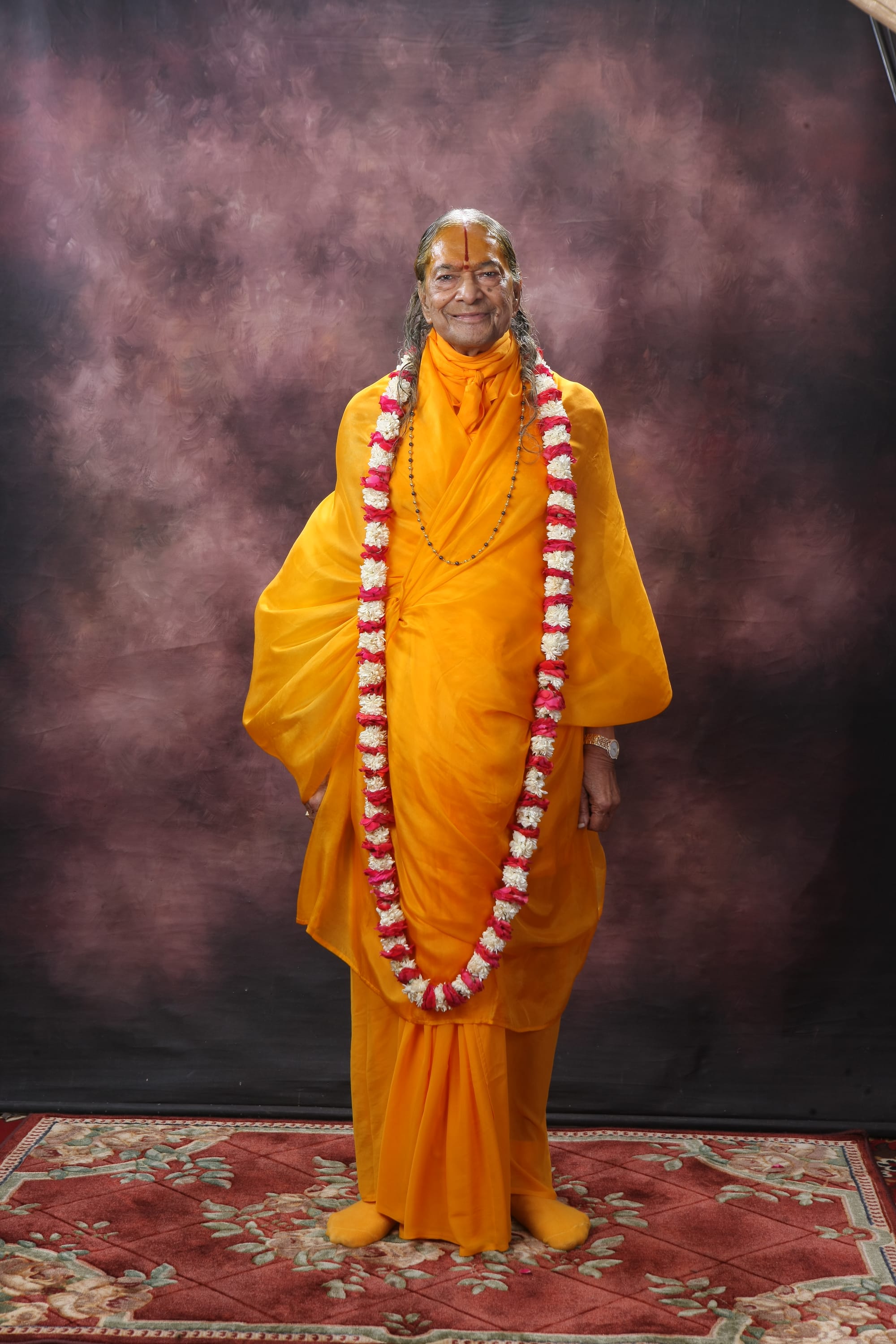
Guru (गुरु | guru) is the genuine Spiritual Master who dispels ignorance, reveals Divine Truth, and guides the soul toward God-realization.
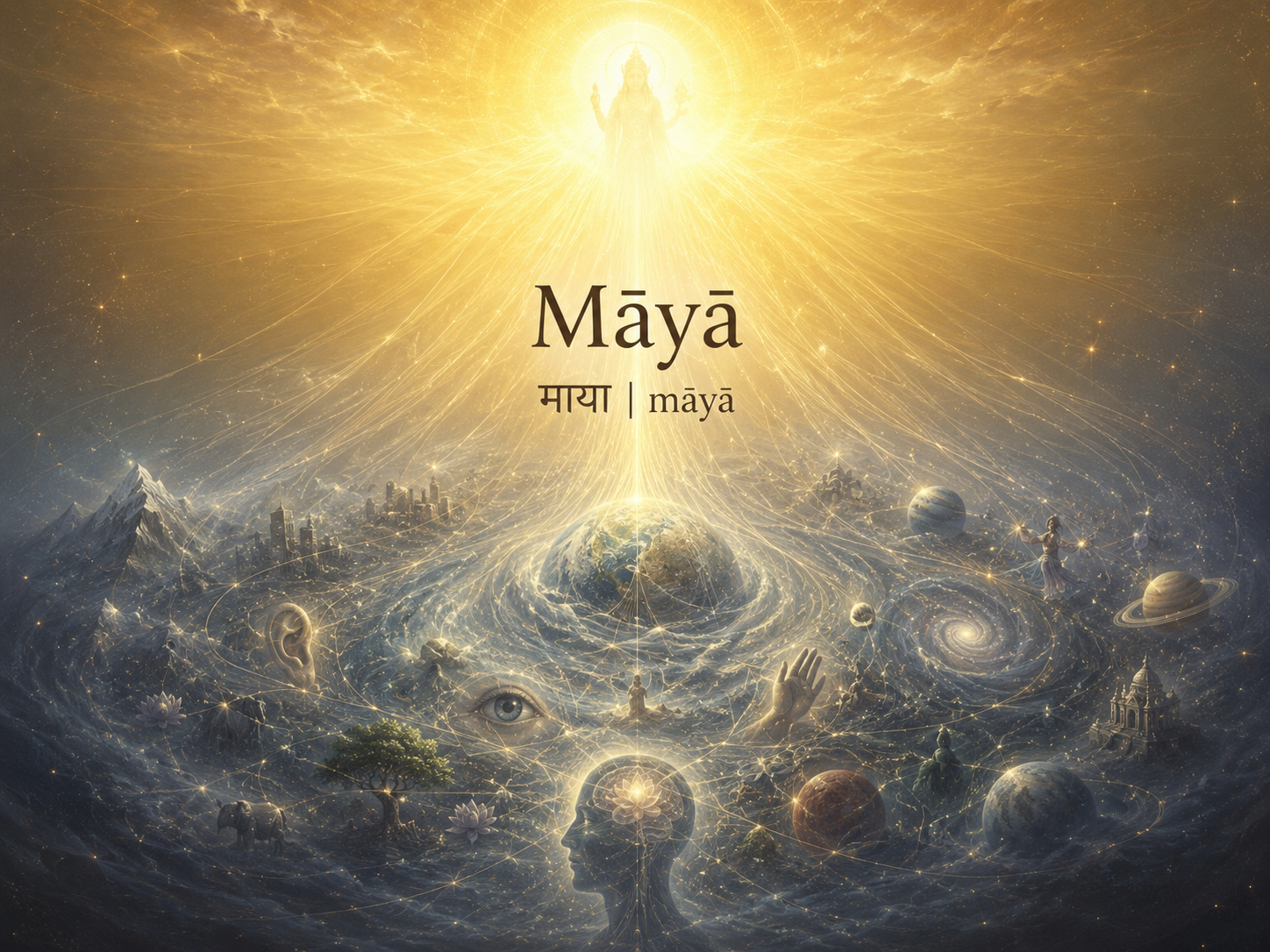
Maya (माया | māyā) is the inert cosmic power of God through which the material world is created, sustained, and governed under God's control. The Vedic scriptures categorically state that Maya is a power of God. It is also called Prakriti. God and the soul are conscious, but
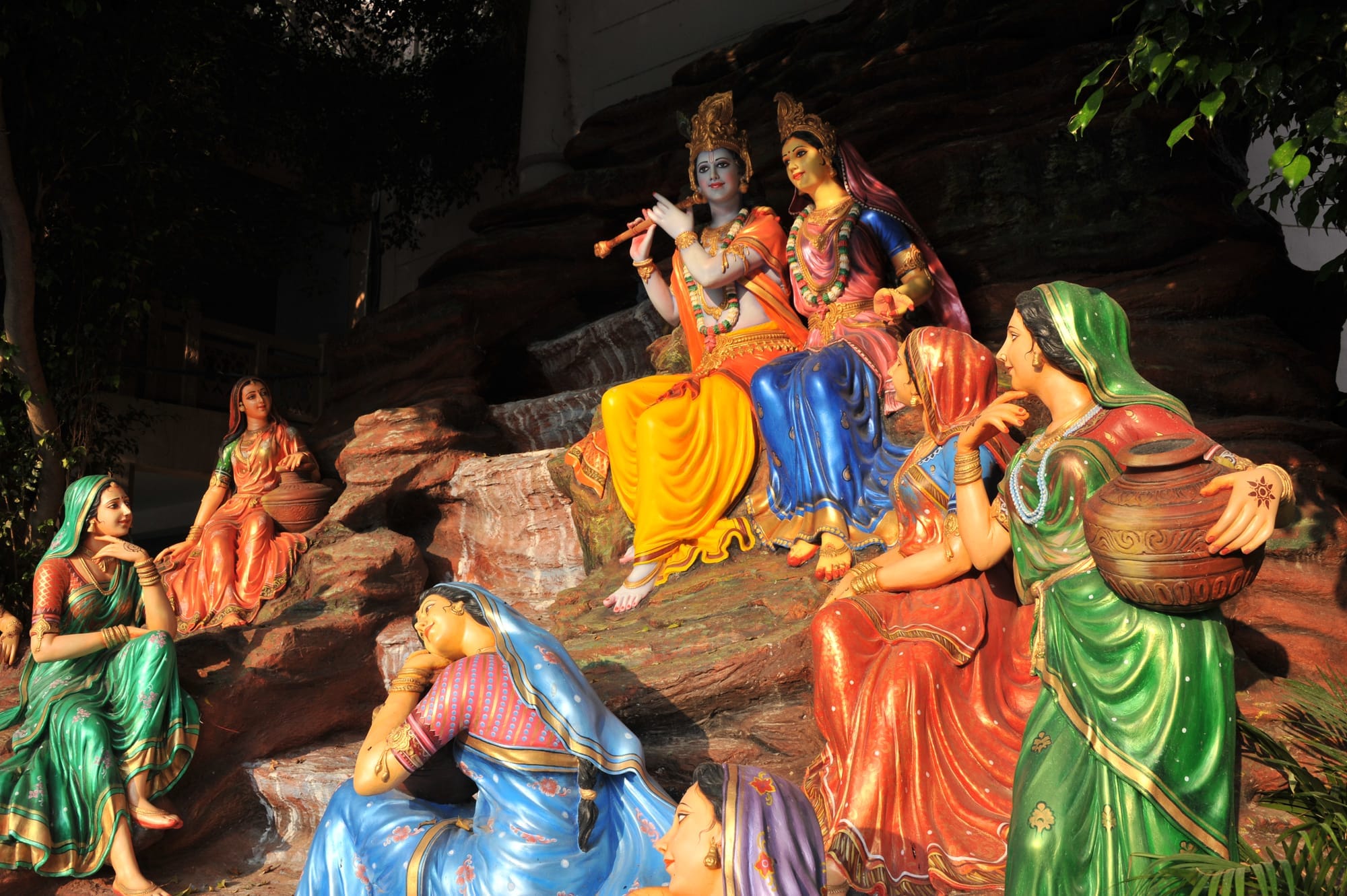
Gopi Prem is the completely selfless Divine love of the Gopis for Shri Radha-Krishna, in which the Beloved's happiness alone is their happiness. The Gopis selflessness serve Shri Radha-Krishna and find their happiness solely in giving happiness to Them.

brahmajnani (ब्रह्मज्ञानी | brahmajñānī) is a knower of the Impersonal aspect of God (Brahm). A brahmajnani is a soul who has realized the impersonal (nirākār) aspect of God — Brahm. This realization is not intellectual. It is direct experiential knowledge of the soul’s identity as distinct from

aana (Devanagari: आना; ISO 15919: ānā) was a former monetary unit and fractional coin used in India. The anna was a fractional coin of the rupee, with 16 annas making up one rupee. Although the currency is no longer officially used, the term remains prevalent in various expressions and references.