
Savaran Brahm (सावरण ब्रह्म)
Savaran Brahm refers to Brahm with His divine Bliss veiled. Understand how the Supreme remains present in the material world without openly manifesting His infinite Bliss.

Savaran Brahm refers to Brahm with His divine Bliss veiled. Understand how the Supreme remains present in the material world without openly manifesting His infinite Bliss.
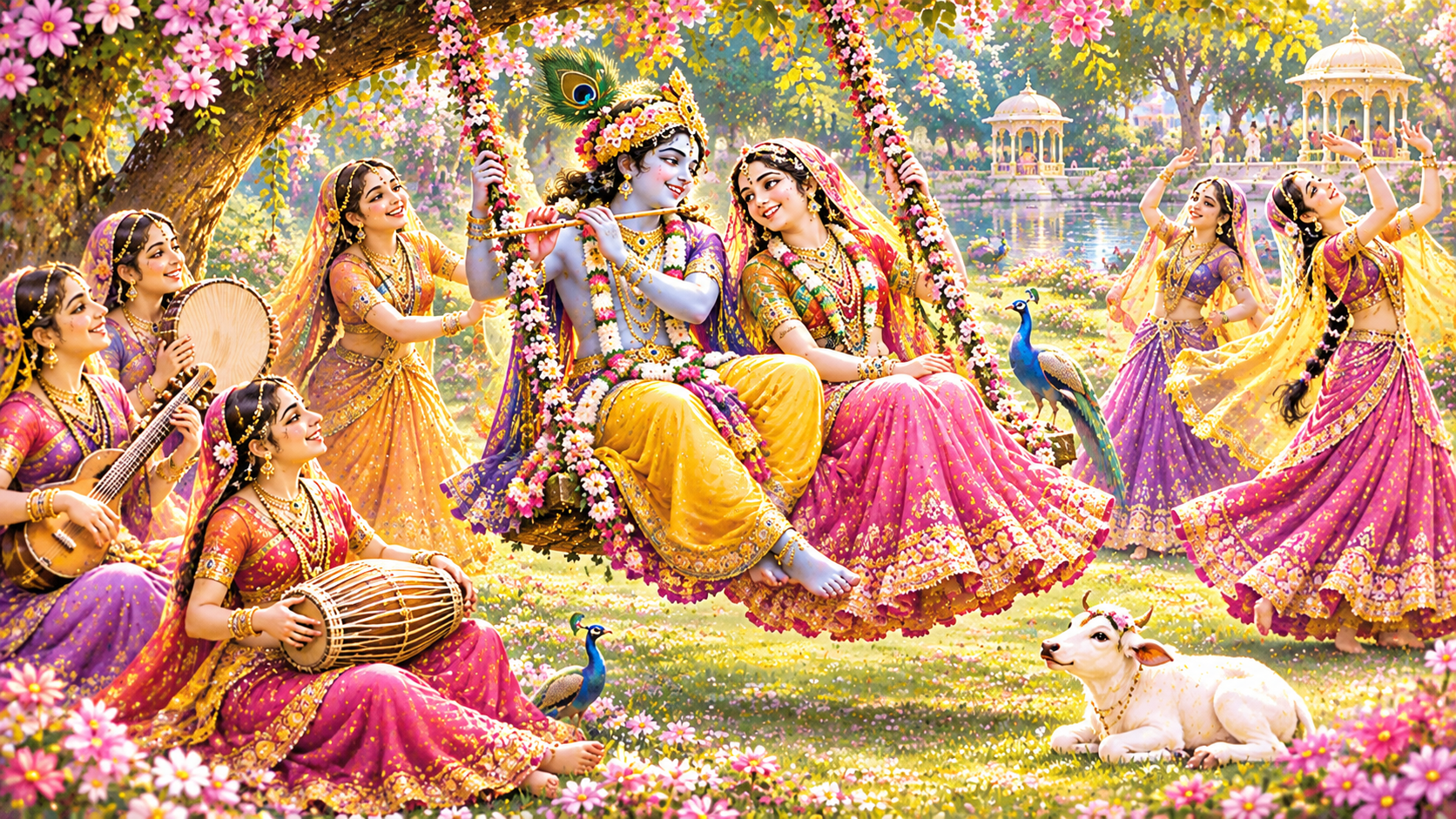
Niravaran Brahm refers to Shri Krishna Himself, whose infinite divine Bliss is unveiled. Even the dust of His divine abode bestows divine ecstasy.

The instrumental and material cause of creation, explaining how Shri Krishna is both its maker and its substance.

The jeev is Prayojya Karta, acting through God-given power while remaining responsible for its choices.
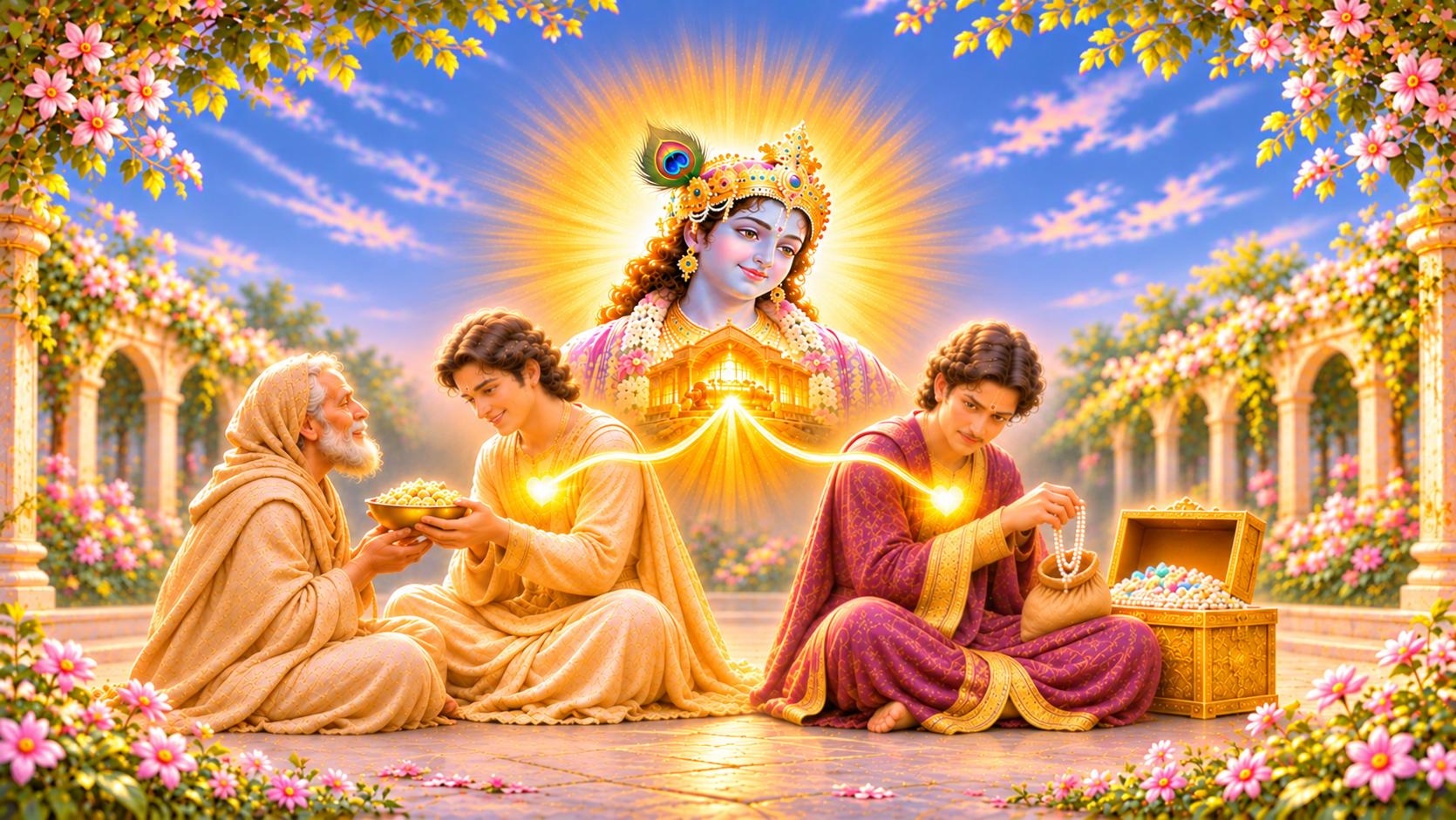
God is Prayojak Karta, the giver of the power through which the jeev performs actions.
Akarta means non-doer. Understand why the jeev, God, and God-realized Saints are each called Akarta in different contexts.

A form of immovable life in which a Jeev inhabits a stone, even though the stone shows no outward signs of life.

An unfailing remedy or solution, like Shri Ram's arrow, that is certain to achieve its intended result.

Tanuja Seva (तनुजा सेवा | tanujā sevā) means service rendered to God and Guru physically, through the body, senses, and physical effort. Why Is Tanuja Seva Important? Shri Maharaj Ji explains that the senses are naturally outward-facing. If they are not engaged in Divine service, they tend to
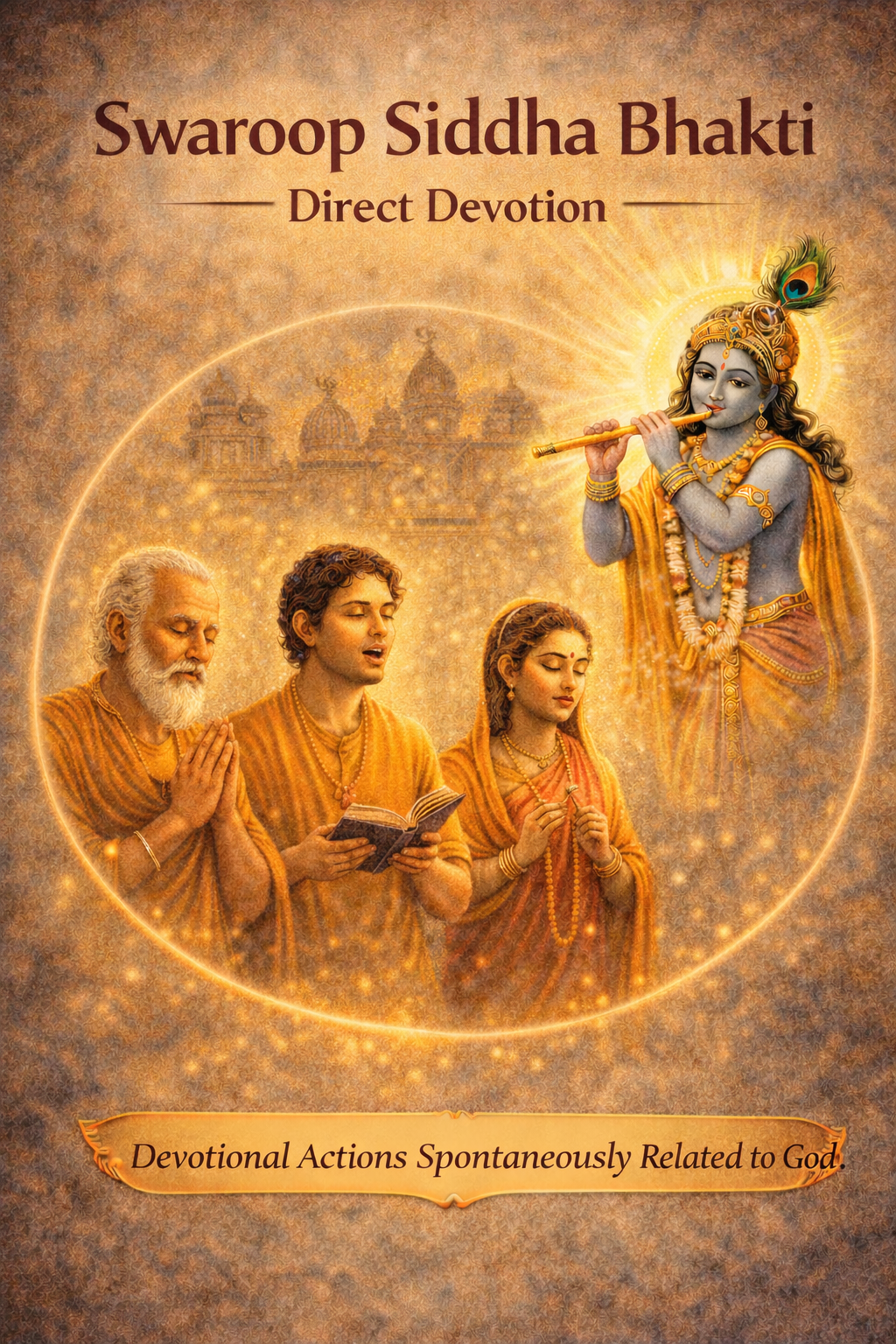
Swaroop siddha bhakti (स्वरूप सिद्धा भक्ति | svarūpa siddhā bhakti) is devotion akin to the nature of the jiva (soul). * svarūpa — intrinsic nature * siddha — perfected / established This is bhakti in the purest form of devotion and scriptures give the proclaim that this form of bhakti is

A scholarly definition of the Bhagavad Gita (गीता) based on the reconciled Vedic philosophy of Jagadguru Shri Kripalu Ji Maharaj.
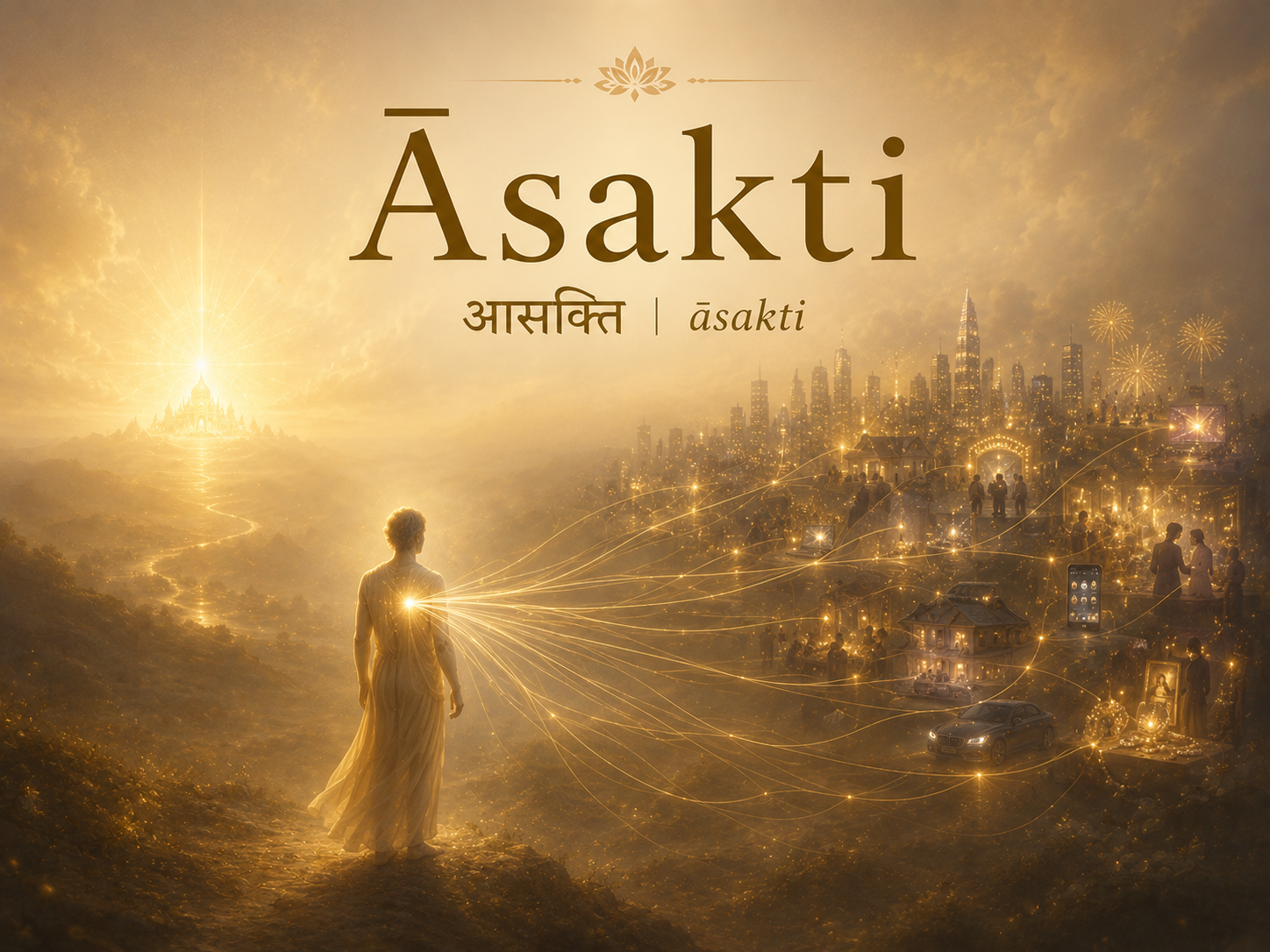
Āsakti refers to worldly attachment through which the jīva becomes emotionally bound to temporary objects, relationships, desires, and experiences, strengthening bondage under Māyā.