Why Attachment to the World Must End
Even after repeated disappointment, the mind continues seeking happiness within Māyā. This inquiry explains why attachment persists and why true detachment becomes necessary for spiritual freedom.
The minds of mayābaddha jīvs constantly fluctuate under the influence of the guṇas. Thus worldly relationships, praise, emotional support, and favorability can never remain permanently stable.
Worldly affection remains mixed with attachment, expectation, and personal fulfillment. Thus it can provide temporary emotional comfort, but never permanent peace to the soul.
Material desire endlessly regenerates itself. Fulfillment temporarily removes agitation, but new desires immediately arise, keeping the mind trapped in constant restlessness.
Worldly objects do not inherently contain happiness. The mind projects happiness onto them through attachment, desire, and imagination, creating temporary pleasure but never lasting fulfillment.
The true bondage of the soul is not merely the external world, but the internal world of attachment, craving, imagination, and desire continuously sustained within the mind.
The soul seeks eternal fulfillment, yet the materially conditioned mind remains absorbed in Maya. This creates the inner conflict of material bondage.
The soul is eternal, conscious, subtle, and Divine in nature. As an eternal part of God, it can never be fully satisfied by material happiness.
The body changes, the senses become active and inactive, and the mind fluctuates constantly. Yet the conscious self remains. Then who are we really?
If the self were material, material happiness should completely satisfy it. Yet dissatisfaction continues. This inquiry becomes the beginning of understanding the true nature of the soul.
The material mind and the material world are both formed from Maya. This creates natural worldly attraction and becomes the root of spiritual misidentification.
Why does the mind continue clinging to the world? Explore how worldly attachment blocks surrender and why detachment becomes essential on the spiritual path.
Hariyali Teej is celebrated on the third day of the waxing moon in the month of Shravan , 5th month of Indian luni-solar calendar. Due to India's geographic location, summers, especially in the northern states, are extremely hot. Temperatures in the Indo-Gangetic Plains are of the order of 45
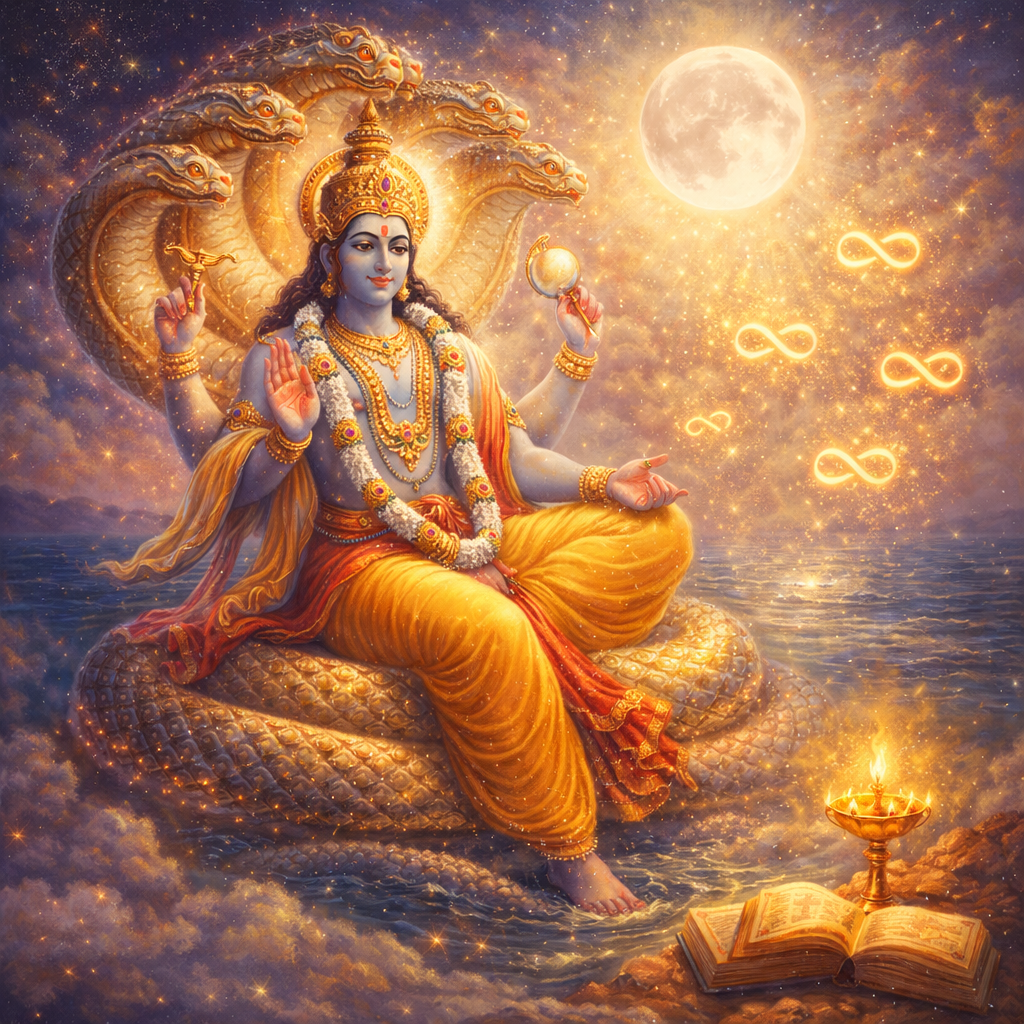
Anant Chaudas, also known as Anant Chaturdashi, is celebrated on the 14th day of the waxing moon in the month of Bhadrapad. It is considered an auspicious day, when one consciously turns the mind away from worldly engagement and toward God. The word Anant means “infinite” or “endless.” This day
We should pay respect to the celestial Gods and Goddesses, as they are the governors of some special powers conferred on them by Shri Krishna. In addition, Shri Krishna dwells in everyone’s hearts. However, one must not ask them for any power, wealth or other material gratifications. Material achievements
Sri Radha, who is no different from Shri Krishna descended on this day in the Holy land of Barsana, a small village in the state of modern day U.P. in India. The Supreme Divine Goddess blessed this Earth by Her birth on the auspicious day of Ashtami (8th day)
Janmashtami is the celebration of the divine descent of Absolute Brahm Shri Krishna to Earth in 3226 BCE , at the end of the Dwapar yug in the Saraswat Kalp . According to the luni-solar calendar, it's celebrated on the eighth day after the full moon of the month of
Raksha Bandhan is celebrated on 'Shravan Purnima' (full moon day of the Hindu month of Shravan), which generally falls in the month of August, every year. All the Indian festivals have some spiritual significance. The literal meaning of 'Raksha-Bandhan' is 'the bond of protection'
Most of us know how the festival of Naag Panchami is celebrated in most parts of the country. However, rarely does anyone know why, when and how did this festival originate. Jagadguru Shri Kripalu Ji Maharaj, out of His extreme grace and kindness, shed light on the origin of this
The Significance of January 14th: A Historical Conferral
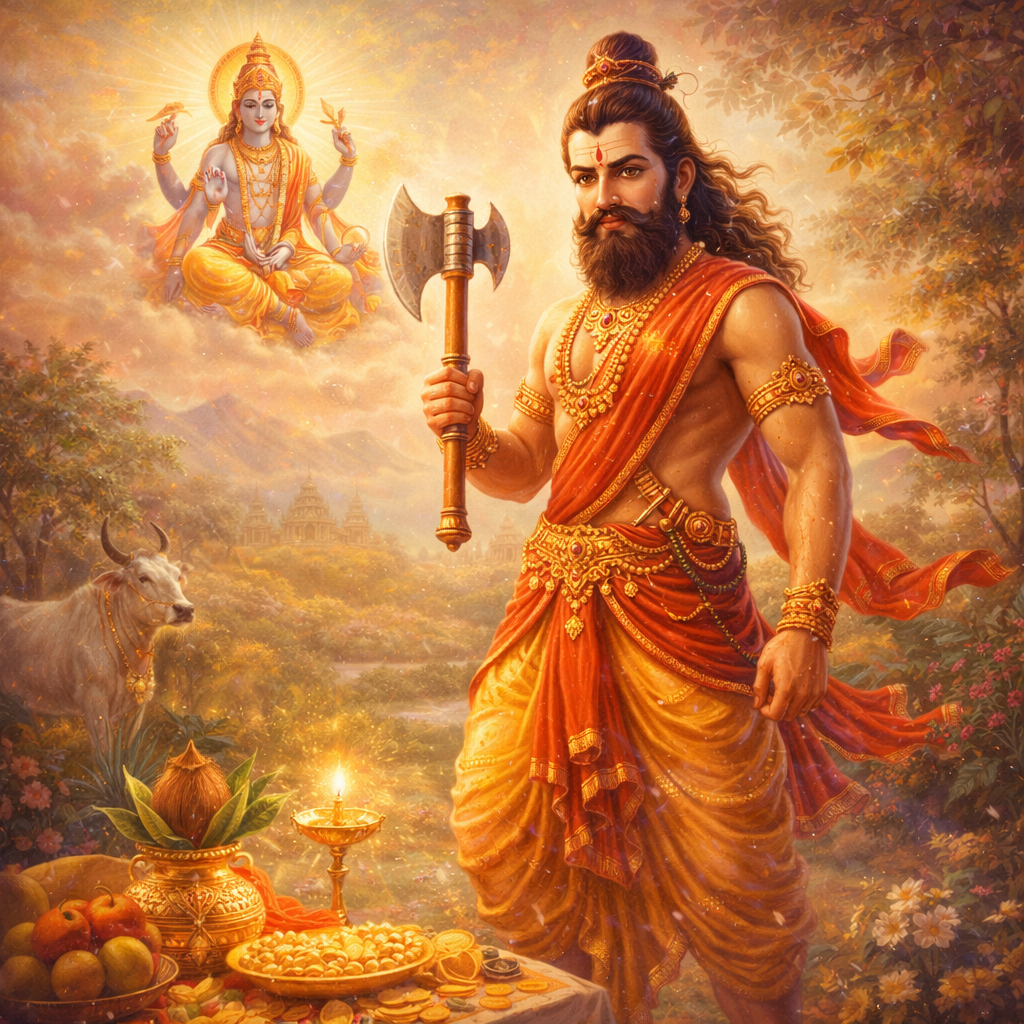
Akshay Tritiya is celebrated on the third day of the waxing moon in the month of Chaitra. Also known as “Akha Teej,” it is traditionally observed as the appearance day of Lord Parashurama, the sixth incarnation of Lord Vishnu. The word Akshaya means “that which never diminishes.” This day is
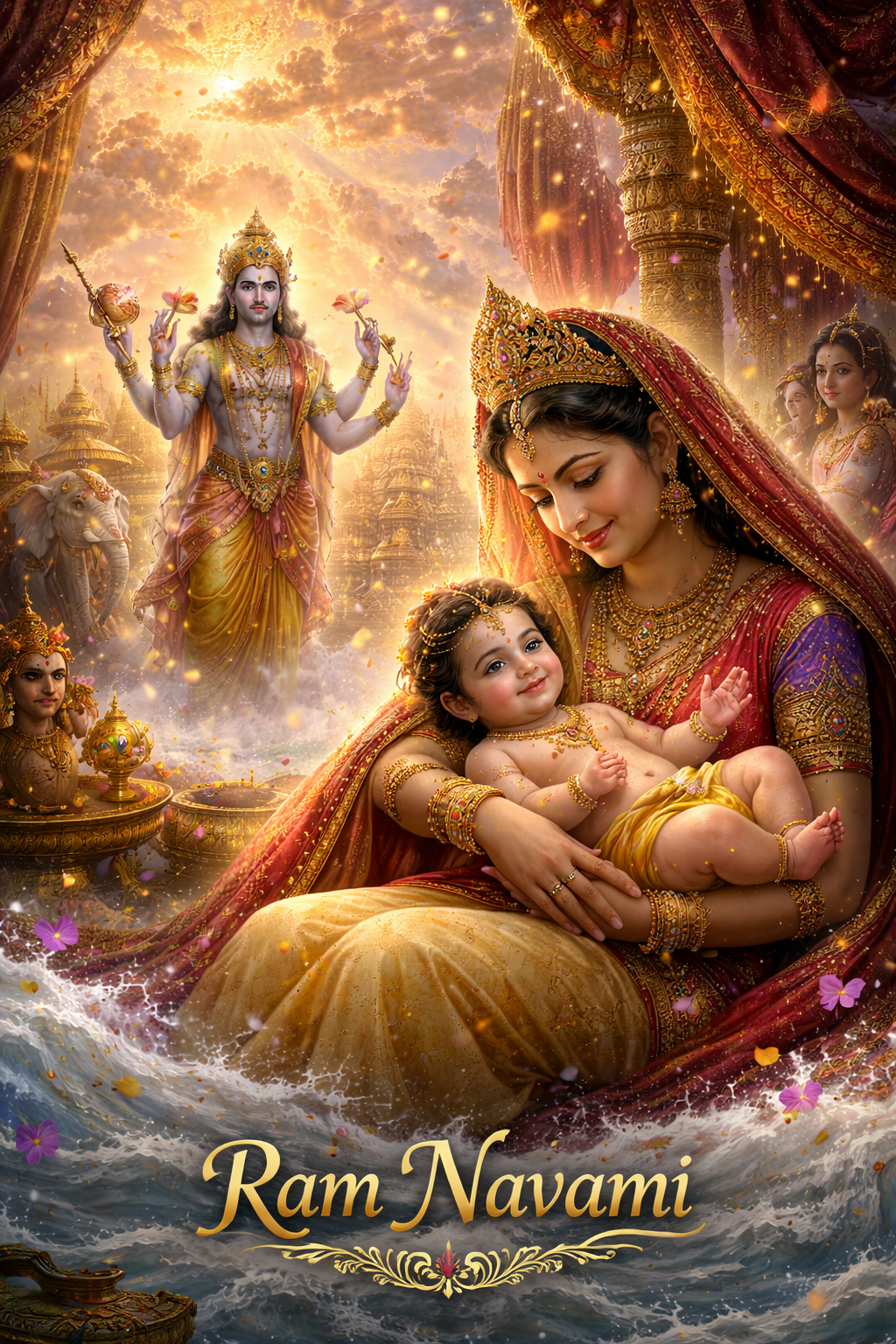
Ram Navami is celebrated on the ninth day of the waxing moon in the month of Chaitra. It marks the sacred appearance of Shri Ram in Ayodhya during the Treta Yug. Shri Ram is not merely a king of the past. He is the Father of all souls, who descended
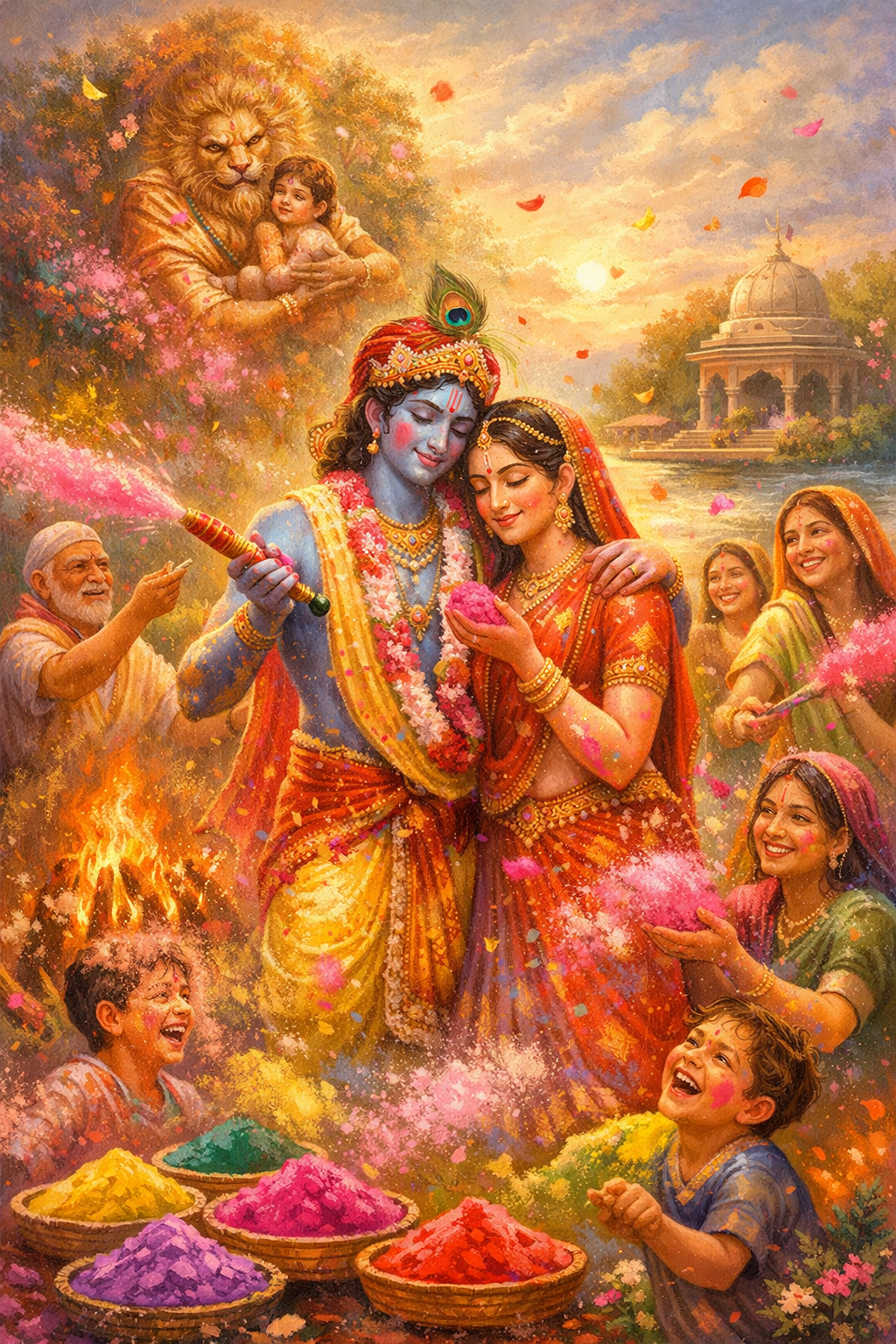
Holi is celebrated on the full moon day of the month of Phalgun. It is widely known as the festival of colors, marked by joy, celebration, and the arrival of spring. But behind this celebration lies something deeply personal. Holi is connected to the story of Bhakta Prahlad, whose unwavering
The most auspicious occasion for the spiritual aspirants is this day. Disciples of an authentic Spiritual master, who is constantly showering the nectar of divine bliss on His followers, long for this day. Although one has to adore his master every moment of every day of life. Nevertheless we get