What Is Kusang and Why Does It Matter?
Satsang and Kusang are distinguished not by physical proximity, but by whether an association draws the mind toward the Divine or Maya.

📍 Where You Are in the Inquiry
Karm Yog established that worldly duties can continue while the mind remains lovingly attached to God.
But as we move through worldly life, we continually encounter different kinds of association. Therefore, before going further, a fundamental distinction must be understood: what kind of association supports our movement toward God, and what kind draws the mind elsewhere?
This distinction is expressed through two terms—Satsang (सत्संग | satsaṅga) and Kusang (कुसंग | kusaṅga).
Two Dimensions of Association
Shri Maharaj Ji begins by distinguishing between two dimensions: the Divine dimension and the Mayic world.
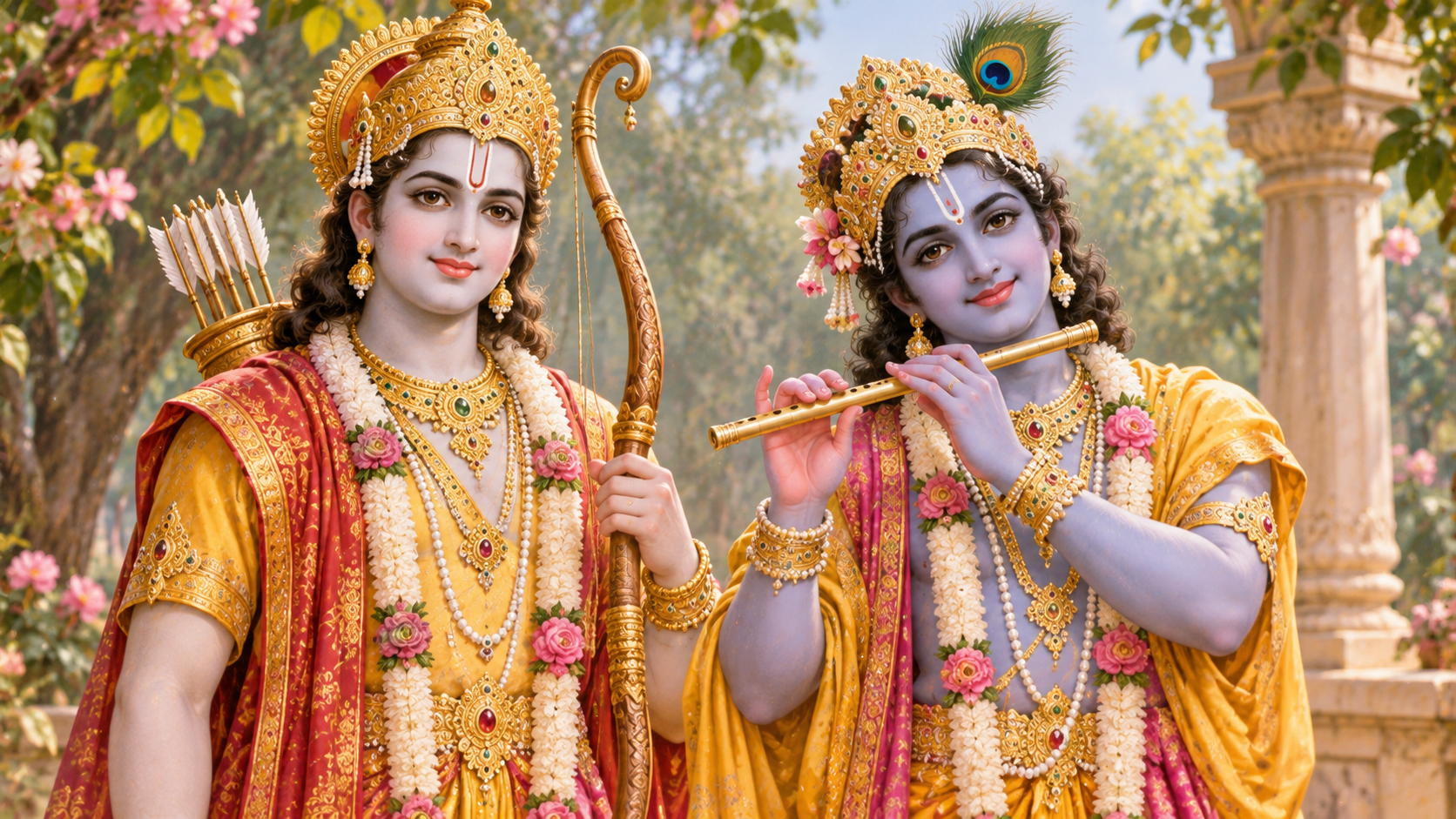
God and His Saints belong to the Divine dimension. Association with that which is Divine is called Satsang.
The material world, by contrast, is Maya (माया | māyā) and is influenced by its three qualities or gunas (गुण | guṇa):
- Sattva (सत्त्व | sattva) — pious
- Raj (रज | raja) — selfish
- Tam (तम | tama) — impious
Association with that which belongs to this Mayic dimension is called Kusang.
But this distinction raises an important question. What does it actually mean to associate with something?
What Makes Association a Satsang?
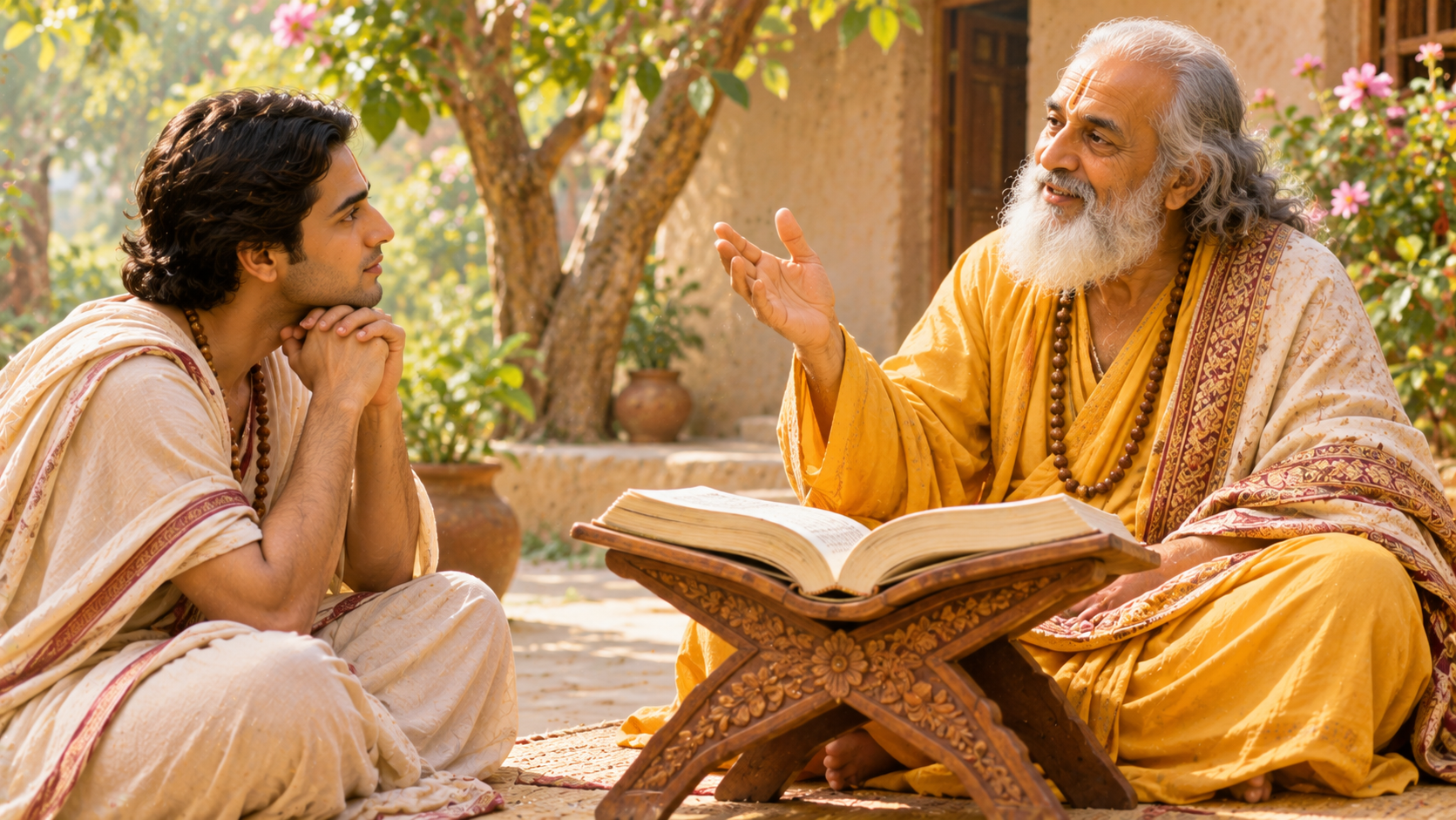
Satsang is not merely physical proximity to something spiritual.
True Satsang occurs when our mind, intellect, and emotions fully associate with Divine subjects. The determining factor is whether the association attracts the mind and intellect toward Divine subjects.
If an association attracts the mind and intellect toward God and Divine subjects, it is Satsang.
This gives the distinction its practical meaning:
Satsang is association that attracts the mind and intellect toward the Divine realm.
Everything else is Kusang.
Where This Inquiry Leads
Satsang and Kusang are therefore distinguished not merely by where we are or what we outwardly encounter, but by the direction in which the association draws the mind and intellect.
God and His Saints are Divine. When the mind, intellect, and emotions associate with Divine subjects and are attracted toward them, that association is Satsang. Association with Mayic subjects is Kusang.
But if Kusang surrounds us in the Mayic world, a more urgent question immediately follows:
What does Kusang actually do to the mind and intellect?
That is the next step in the inquiry.
Go Deeper
 JKP Literature

What is this Mayic realm?
 JKP Literature
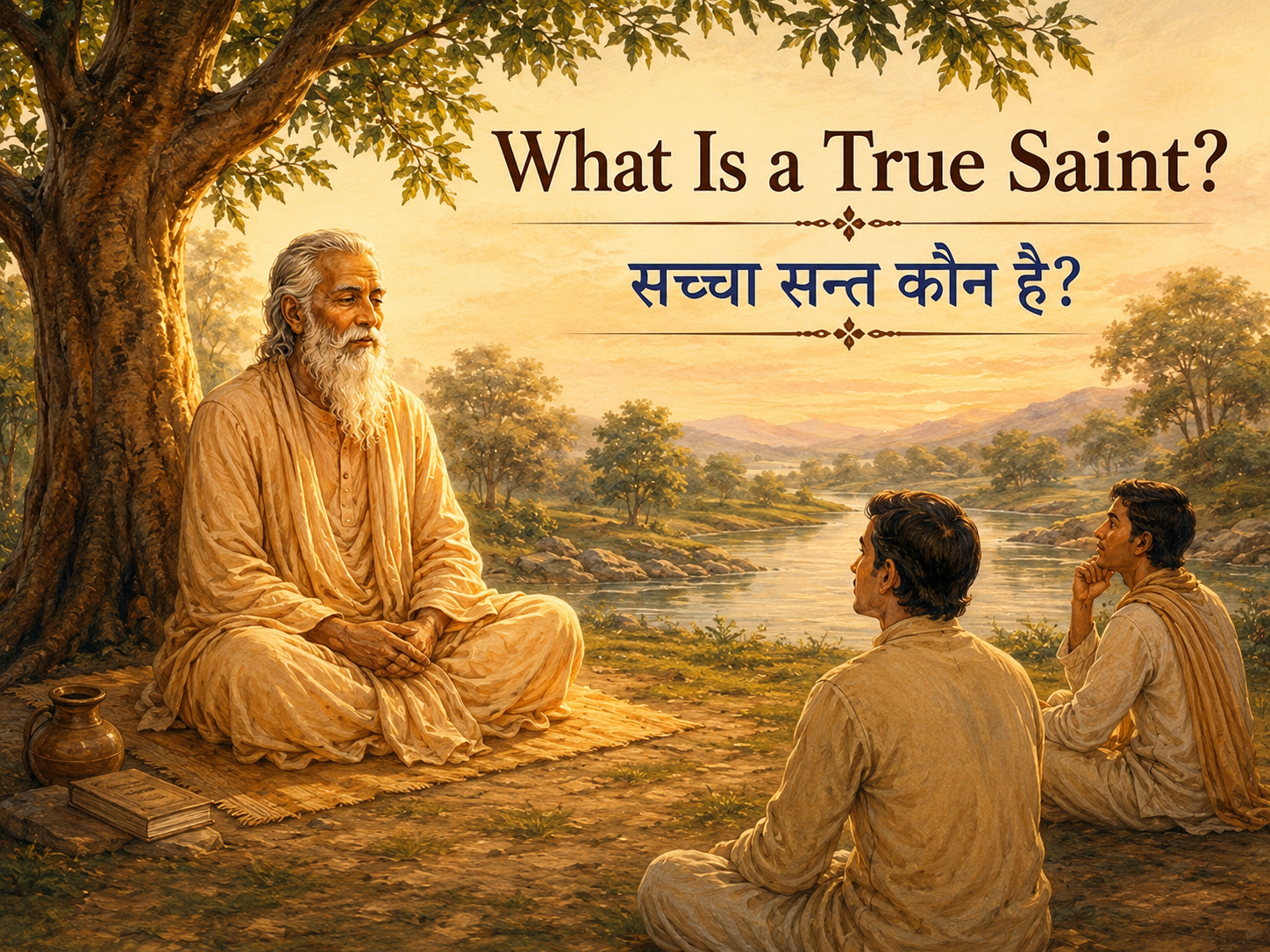
What makes a true Saint Divine?
 JKP Literature

Why does the direction of the mind matter?
Continue the Inquiry
(Part 1 of 6 — Kusang — The Danger)
The distinction between Satsang and Kusang is now clear. The next question is why that distinction matters so much: how does Kusang affect the intellect, awaken Mayic tendencies, and change the condition of the mind?
- ⬅️ Previous: The Practical Implementation of Karm Yog
- ➡️ Next: How Does Kusang Affect the Mind?
- 🔙 Back to Hub: Kusang — The Danger