Why Do Scriptures Say God and the Soul as One?
Why do scriptures sometimes describe God and the soul as one? Learn how the Vedic scriptures reconcile both distinction and intimate connection.

Why do scriptures sometimes describe God and the soul as one? Learn how the Vedic scriptures reconcile both distinction and intimate connection.
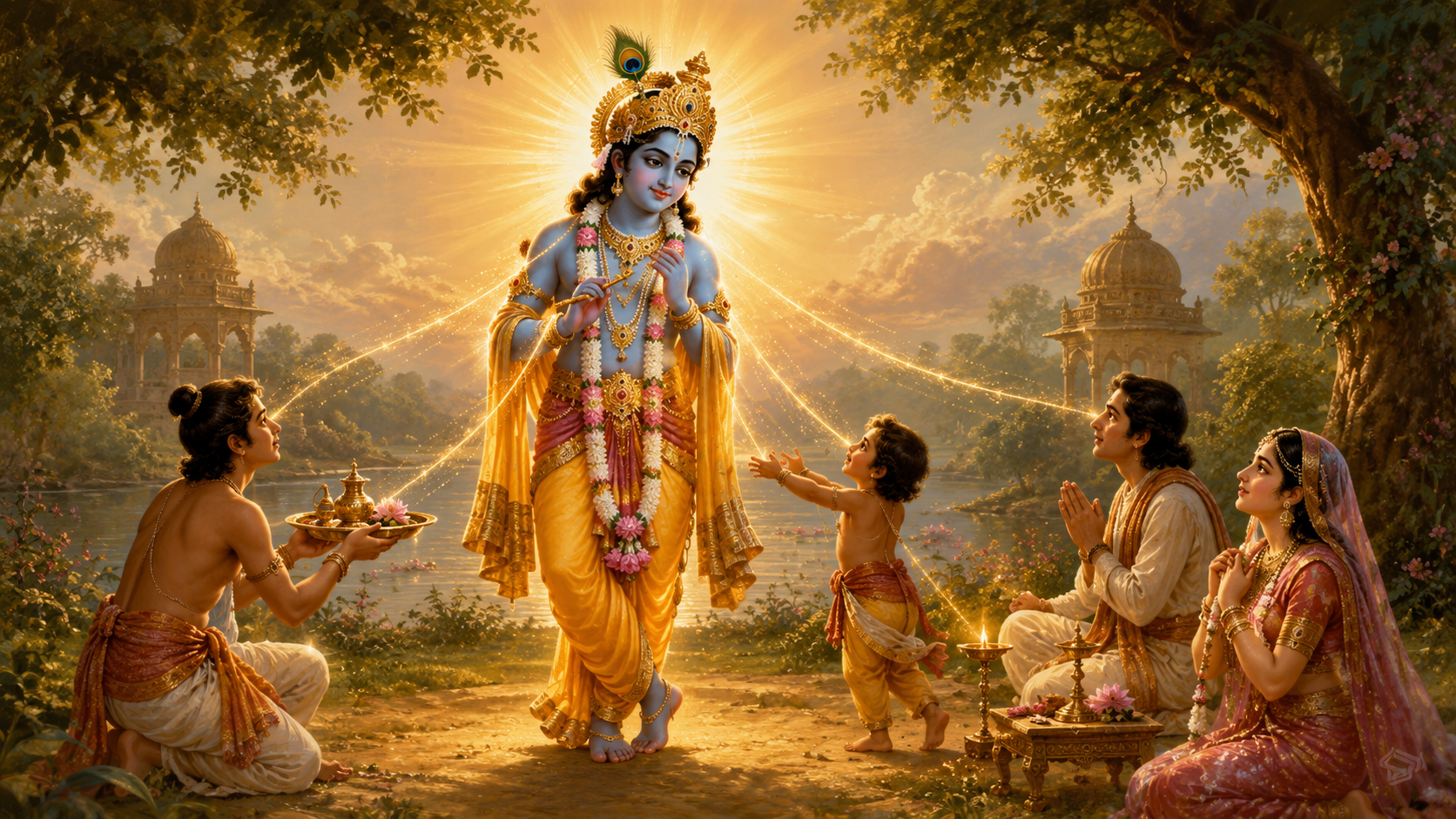
The Vedic scriptures describe Brahm and Jeev as eternally related. These relationships reveal both the soul's complete dependence upon God and its intimate connection with Him, providing the foundation for Bhakti, Grace, surrender, and Divine Love.

Gyan Marg and Gyan Yog are closely related but not identical. Gyan Marg culminates in Atma-Gyan, while Gyan Yog continues through Bhakti and Divine Grace to Brahm-Gyan and liberation from Maya.
Shabdik Gyan and Anubhavatmak Gyan both refer to knowledge, but they are not the same. One is acquired through study and instruction, while the other arises through direct experience and realization. Understanding this distinction is essential for understanding spiritual progress.

Atma-Gyan and Brahm-Gyan are not the same attainment. Atma-Gyan is realization of the soul, while Brahm-Gyan is realization of Brahm. Understanding this distinction clarifies the relationship between Gyan Marg, Gyan Yog, Bhakti, and liberation.

Both Brahm and Jeev are spiritual in nature, yet they are not identical. God is infinite, omniscient, and the master of Maya, while the individual soul is infinitesimal, limited, and dependent upon Him.
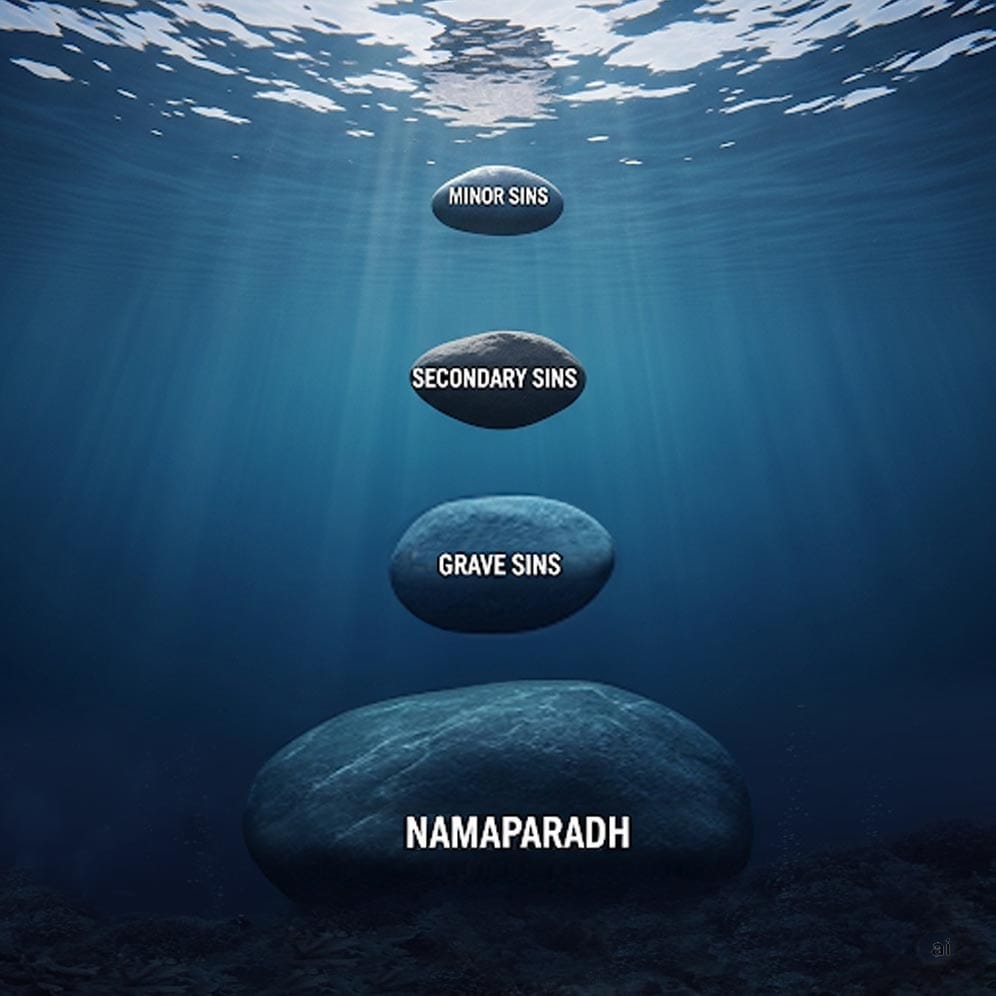
Sin is the most despicable theme of religious philosophies all over the world. In Sanatan Dharm , which is commonly known as Hinduism, Dharma defines the ethics and morals of leading a human life. Transgressing from dharma is called adharma and is considered a sin. The intent to follow dharma is
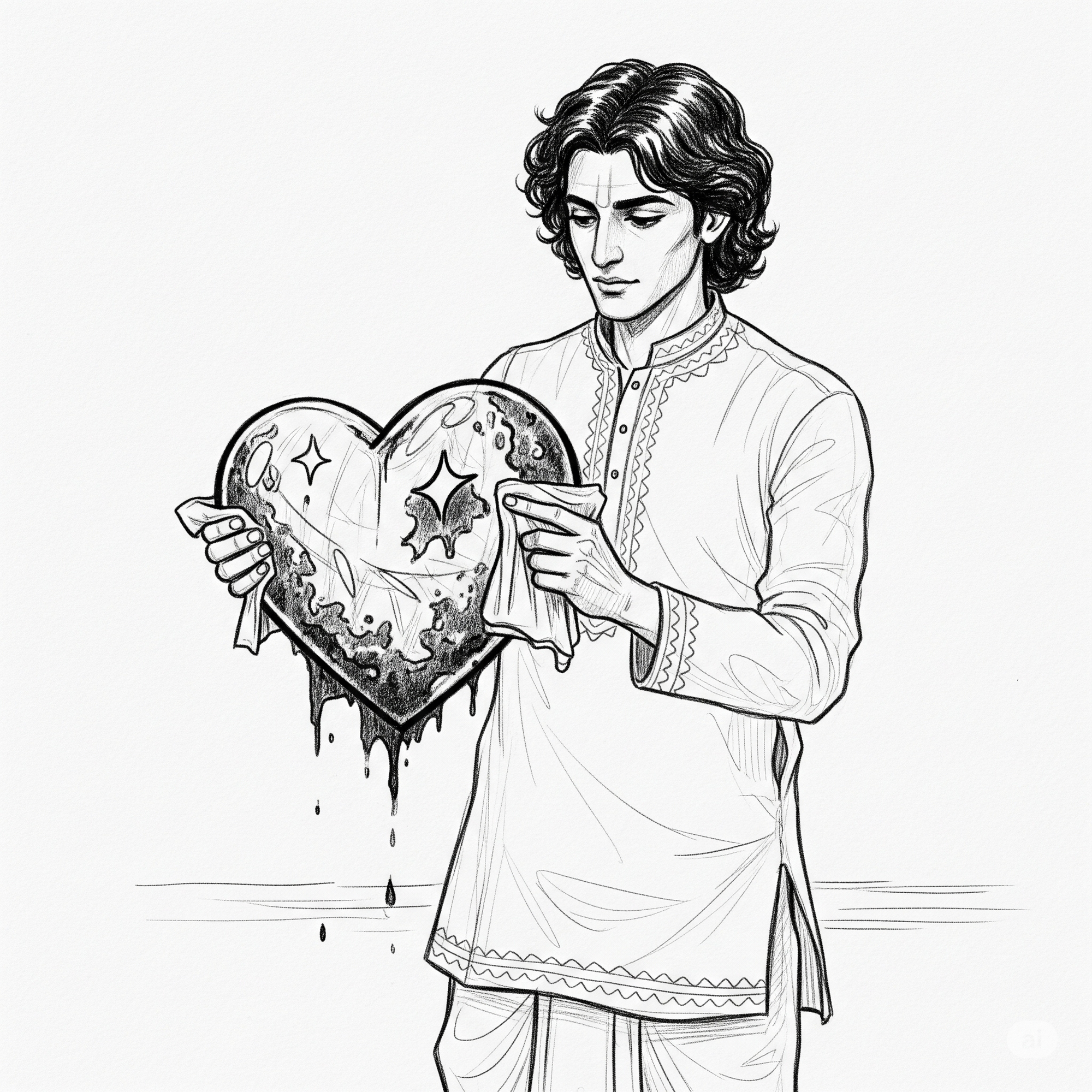
बिगरी बनावे गुरु गोविन्द राधे । हरि तो बने बने के साथी बता दे॥ bigarī banāvē guru gōvinda rādhē . hari tō banē banē kē sāthī batā dē. The Endless Cycle of 8.4 Million Life Forms Every soul has wandered endlessly through 8.

Question In the world when we get money we spend it to buy luxurious items to make our lives more comfortable. You say that by doing bhakti you earn spiritual wealth. What is that spiritual wealth? How does one enjoy that wealth? Answer This is a very profound question. And
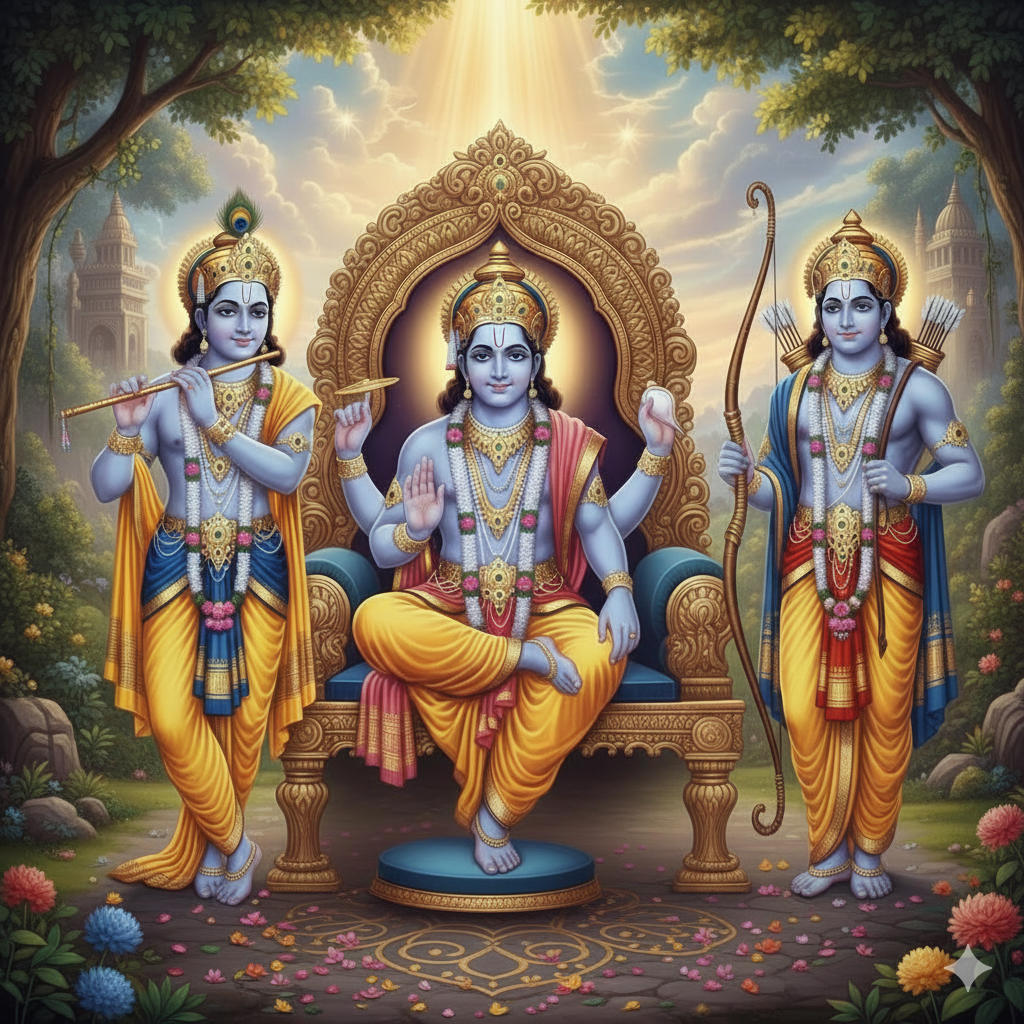
One Actor, Infinite Roles Have you ever wondered why the Supreme Lord appears in so many different ways? Sometimes He is the playful cowherd in Vrindavan, other times the majestic King of Dwarika, or even the white-complexioned Balarama. Are these different Gods, or just different "costumes" of

Vedic scriptures reveal Avatars are infinite. From Aveshavatar to Purnatam, discover how God descends to Earth to facilitate the deepest Divine Love.
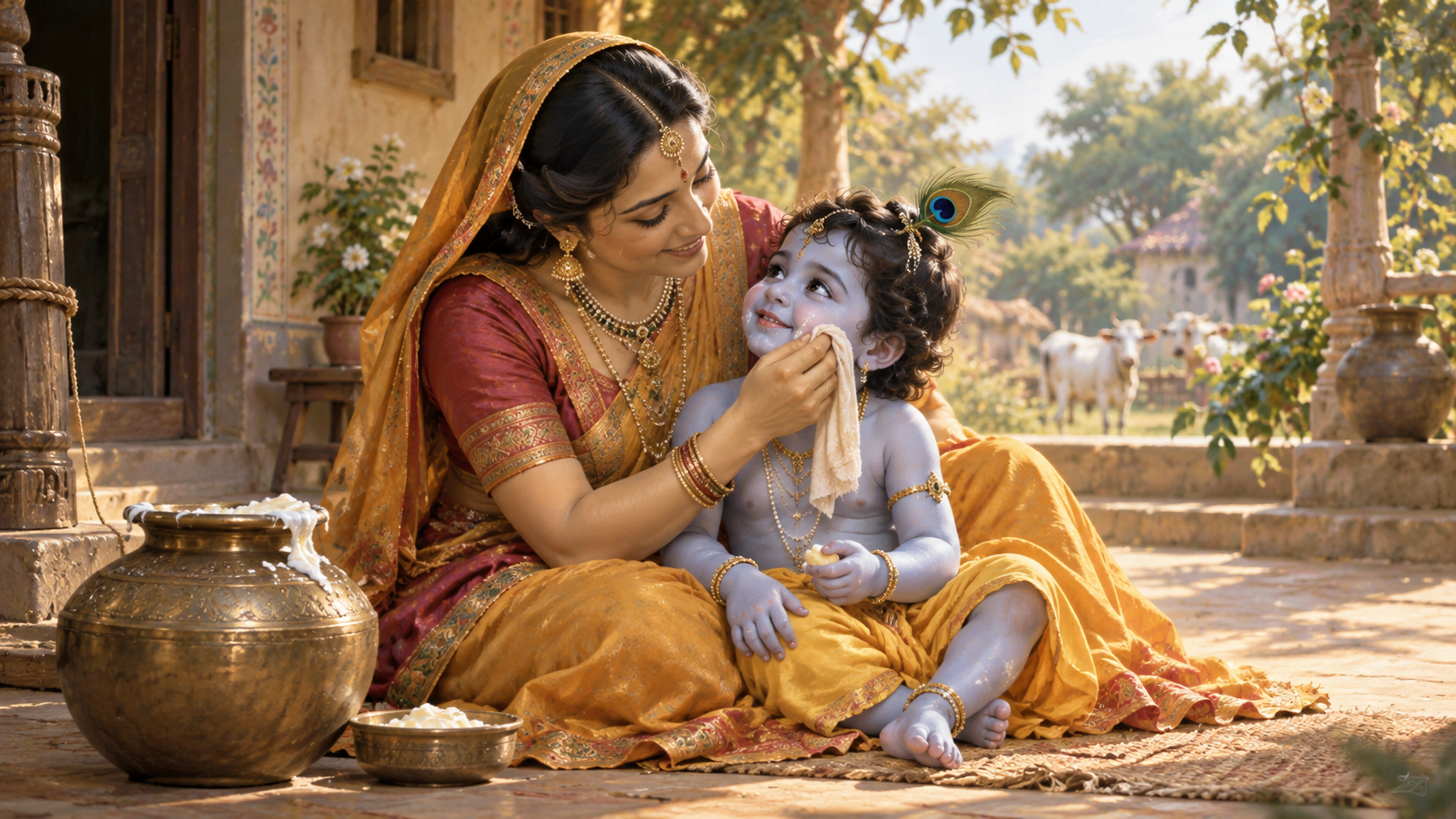
How can the devotee love the same Supreme God as King, Master, Friend, Child, or Beloved?