The Compassion of a True Saint
When a monk steals a precious book, an abbot responds in an unexpected way, changing the course of the monk's life.
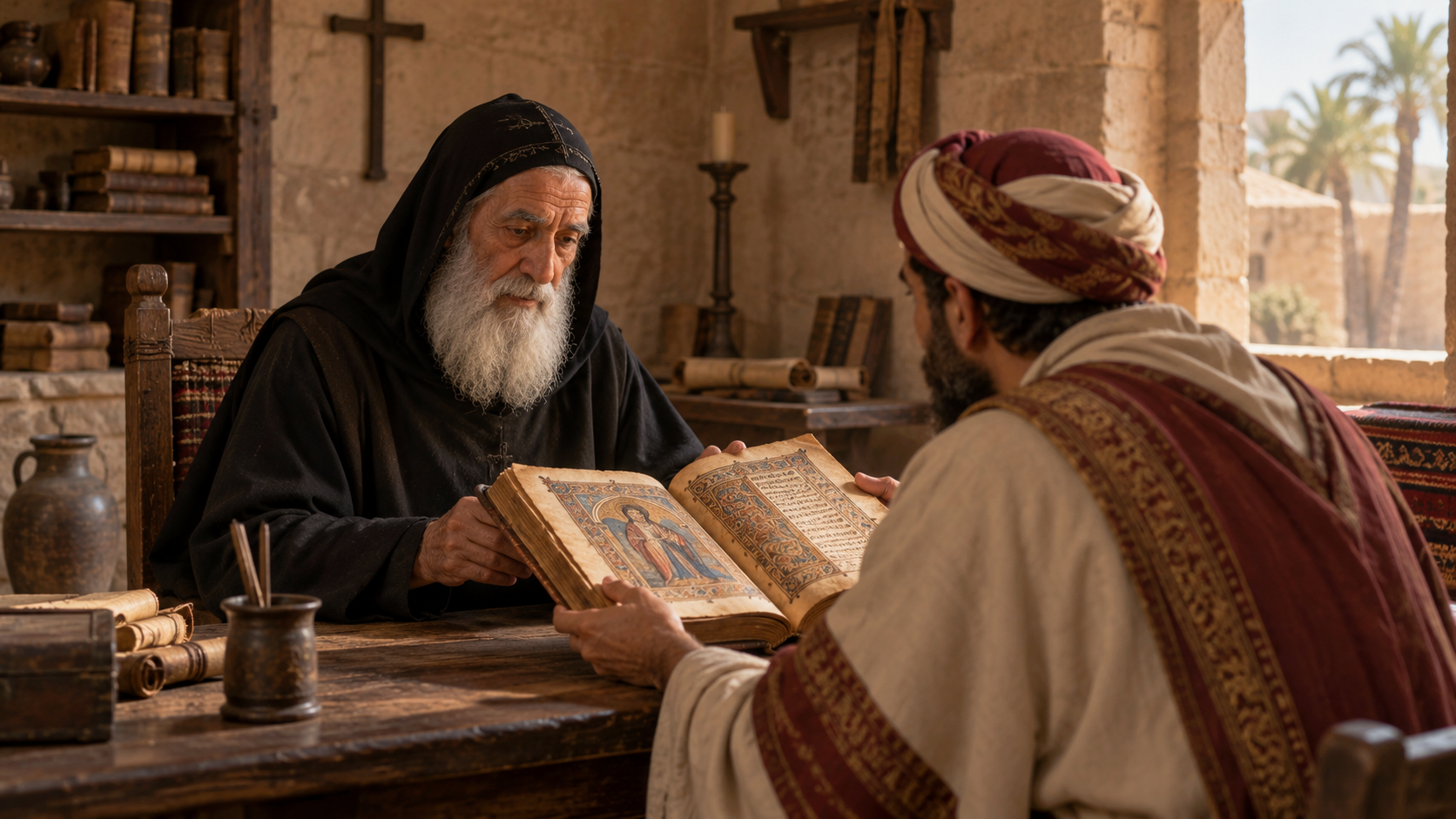
Anastasias was the abbot of a monastery in Egypt. The monastery had a large collection of spiritual books, including a rare and precious volume worth a fortune.
One day, a monk visiting the monastery noticed the book. Unable to resist the temptation, he stole it.
The theft was discovered that same day, and Anastasias had little difficulty guessing who had taken the book. Yet he refused to send anyone after the monk. He feared that, if questioned, the monk might deny taking it and add the sin of lying to that of theft.
Meanwhile, the monk tried to sell the book. He found a wealthy man who was interested in buying it. The man asked to keep the book for a day so that he could have its value assessed.
After the monk left, the wealthy man took the book to Anastasias, knowing that the abbot was knowledgeable about books.
Anastasias immediately recognized the stolen volume but said nothing.
"A monk wants to sell me this book," the man explained. "He is asking for a gold sovereign. Do you think it is worth that much?"
"It is a very fine book," replied Anastasias. "It is worth at least a gold sovereign."
Satisfied, the man thanked the abbot and left.
The following day, when the monk returned, the wealthy man told him that he was willing to buy the book at the asking price.
The monk was delighted.
"Who did you show it to?" he asked.
"Anastasias, the abbot."
The monk turned pale.
"A-and what did he say?"
"He said the book was worth a sovereign."
"And what else?"
"Nothing."
The monk was astonished.
Anastasias had recognized the stolen book, yet he had neither accused him nor tried to reclaim it. The monk was deeply moved. No one had ever shown him such compassion.
"I've changed my mind," he told the wealthy man. "I don't want to sell the book."
"I'll give you two sovereigns!" the man offered.
But the monk walked away without answering.
He went straight to the monastery and handed the book to Anastasias, his eyes filled with tears.
"Keep it," said Anastasias. "When I learned that you had borrowed it, I decided to give it to you."
"Please take it back," pleaded the monk. "Otherwise, I shall never have any peace. And please, allow me to stay here and learn from you."
Anastasias granted his request.
The monk spent the rest of his life at the monastery, following the example of the saintly Anastasias.
Takeaway
A true Saint does not take personal offense at the wrongdoing of a materially bound soul. Understanding the jeev's condition, the Saint acts for their spiritual upliftment.
In this story, Anastasias's compassion moved the monk to recognize his wrongdoing and change his life.
Go Deeper
 JKP Literature
 JKP Literature
 JKP Literature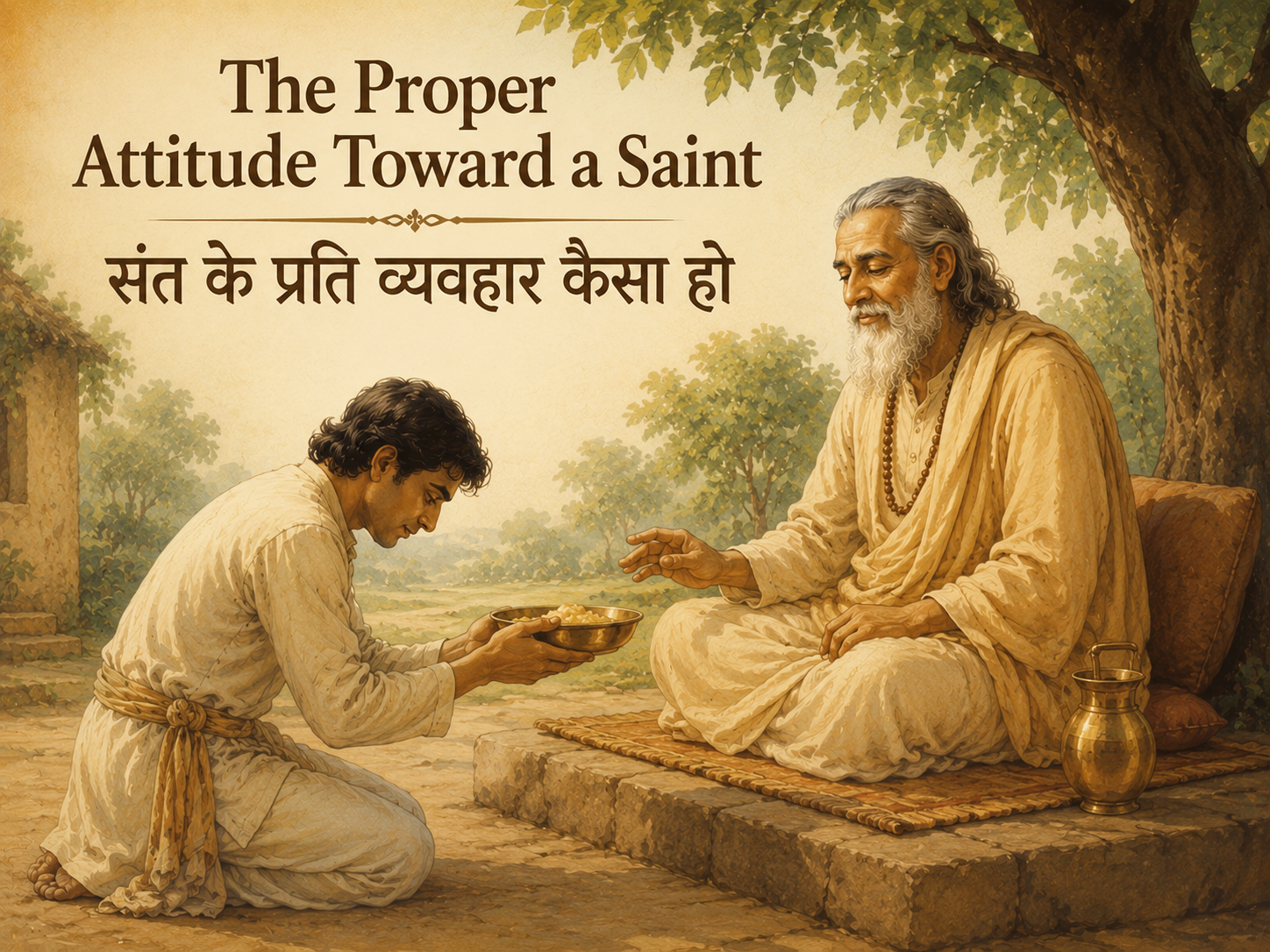
 JKP Literature