Is Selfless Love a Recipe for Unhappiness?
If bhakti means seeking only God's happiness and nothing for yourself, what happens to your own happiness?
If the aim of bhakti is to love God selflessly—to seek only His happiness and desire nothing for ourselves—a natural question arises:
What happens to my happiness? If I stop seeking it, won't I be unhappy?
No.
The Vedas say that God is Bliss:
आनंदो ब्रह्मेति व्यजानात्।
ānandō brahmēti vyajānāt.
God is not merely someone who possesses happiness. God is Bliss. He is Brahm—The Supreme God: infinite Himself, and the One who makes everything that attains Him infinite, everlasting, and divine.
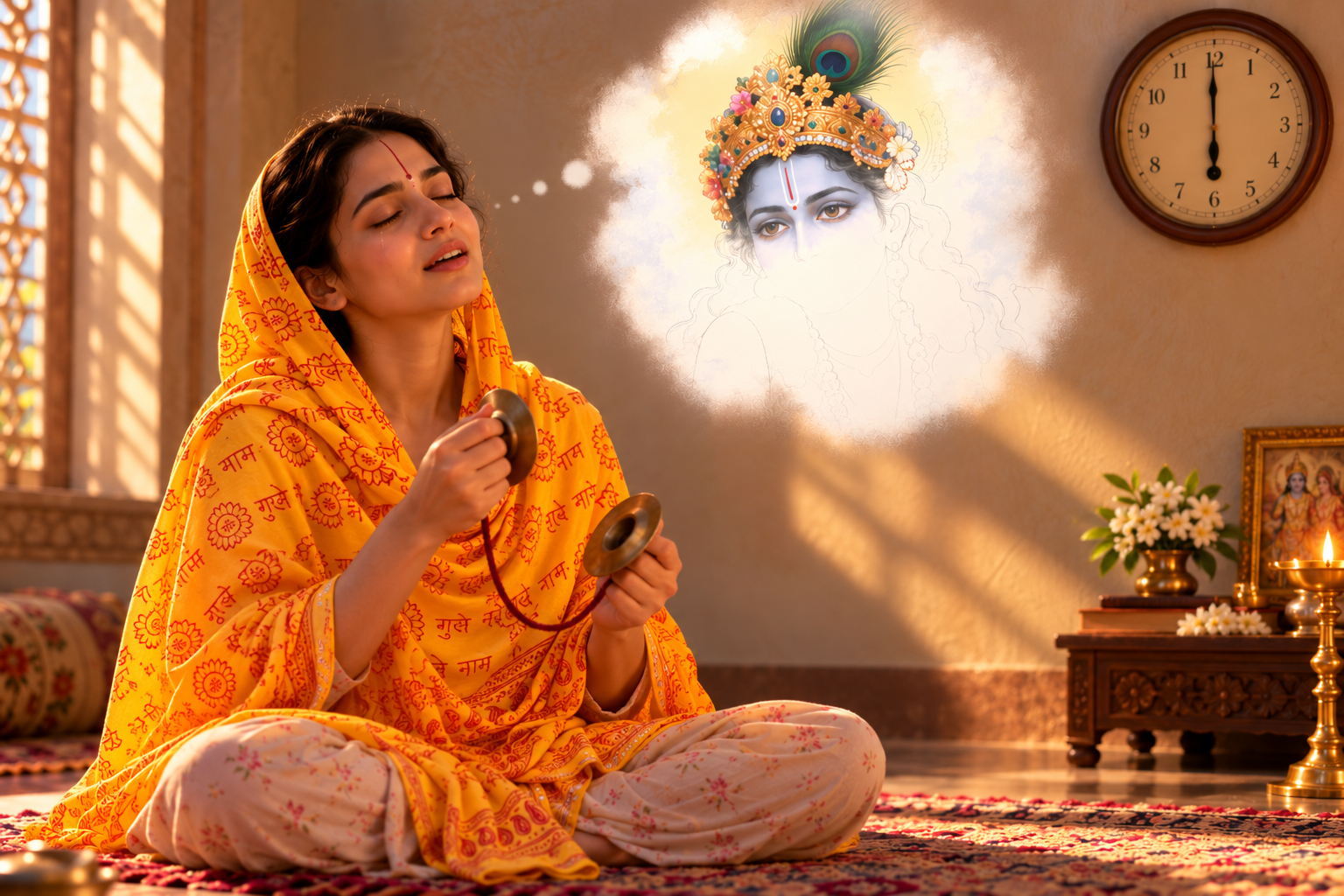
When you remember God, you bring God into your mind. Therefore, you are bringing Bliss into your mind. As the mind becomes attached to God, it naturally experiences that bliss.
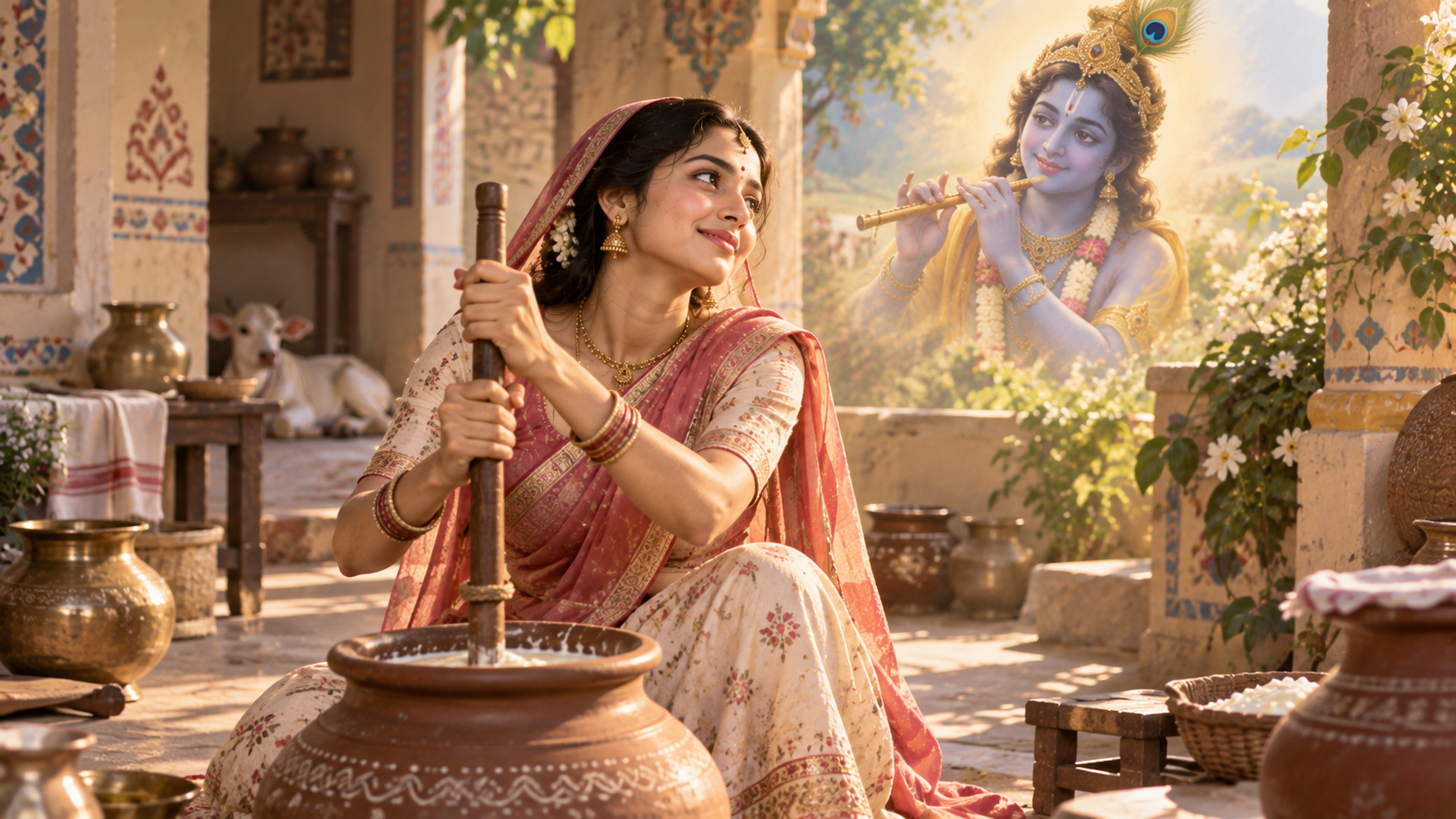
Think of a mother serving her child. Her purpose may be the child's happiness, yet seeing the child happy naturally makes her happy too. In the same way, when a devotee remembers God and serves Him only for His happiness, the devotee does not somehow become deprived of happiness.
By bringing God into your mind, you cannot miss out on happiness.
But this is only the beginning. What happens when a devotee truly wants nothing for themselves goes much further.
God Reciprocates the Devotee's Love
Second, God reciprocates the feelings, emotions, and intensity of a devotee's love.
The Bhagavad Gita says:
ये यथा मां प्रपद्यन्ते तांस्तथैव भजाम्यहम्।
ye yathā māṁ prapadyante tāṁstathaiva bhajāmyaham
As the devotee loves God, God responds accordingly. The greater the devotee's love, the greater God's reciprocation.
But this creates an extraordinary situation when the devotee is nishkam.
A nishkam bhakt wants nothing from God. The devotee does not serve Him in exchange for happiness, wealth, liberation, or even divine bliss. The only desire is to please Him.
So how can God repay such a devotee?
If the devotee had asked for something, God could give it. But the nishkam bhakt asks for nothing.
Shri Maharaj Ji says:
निष्काम भक्त कुछ चाहता नहीं, लेकिन मिलेगी सबसे बड़ी चीज़। ये कमाल है॥
niṣkāma bhakta kucha cāhatā nahīṁ, lēkina milēgī sabasē baṛī cīz. yē kamāla hai.
"The selfless devotee wants nothing, yet receives the greatest thing. This is the wonder."
When the devotee asks for nothing, the question of what to give is left entirely to God. God decides what to give—and He gives according to His means.
But it does not end there.
The more God gives, the more the devotee loves Him. With greater love, the devotee wants to give God still more happiness. God reciprocates that greater love by giving the devotee still more happiness.
The devotee responds with still greater love.
And so begins the हुड़ा-हुड़ी—the competition between God and His devotee in trying to give happiness to one another.
दोहे करे हुड़ा हुड़ी, बढ़ै मुख नाहिं मुड़ी ॥
dōhē karē huṛā huṛī, baṛhai mukha nāhiṁ muṛī.
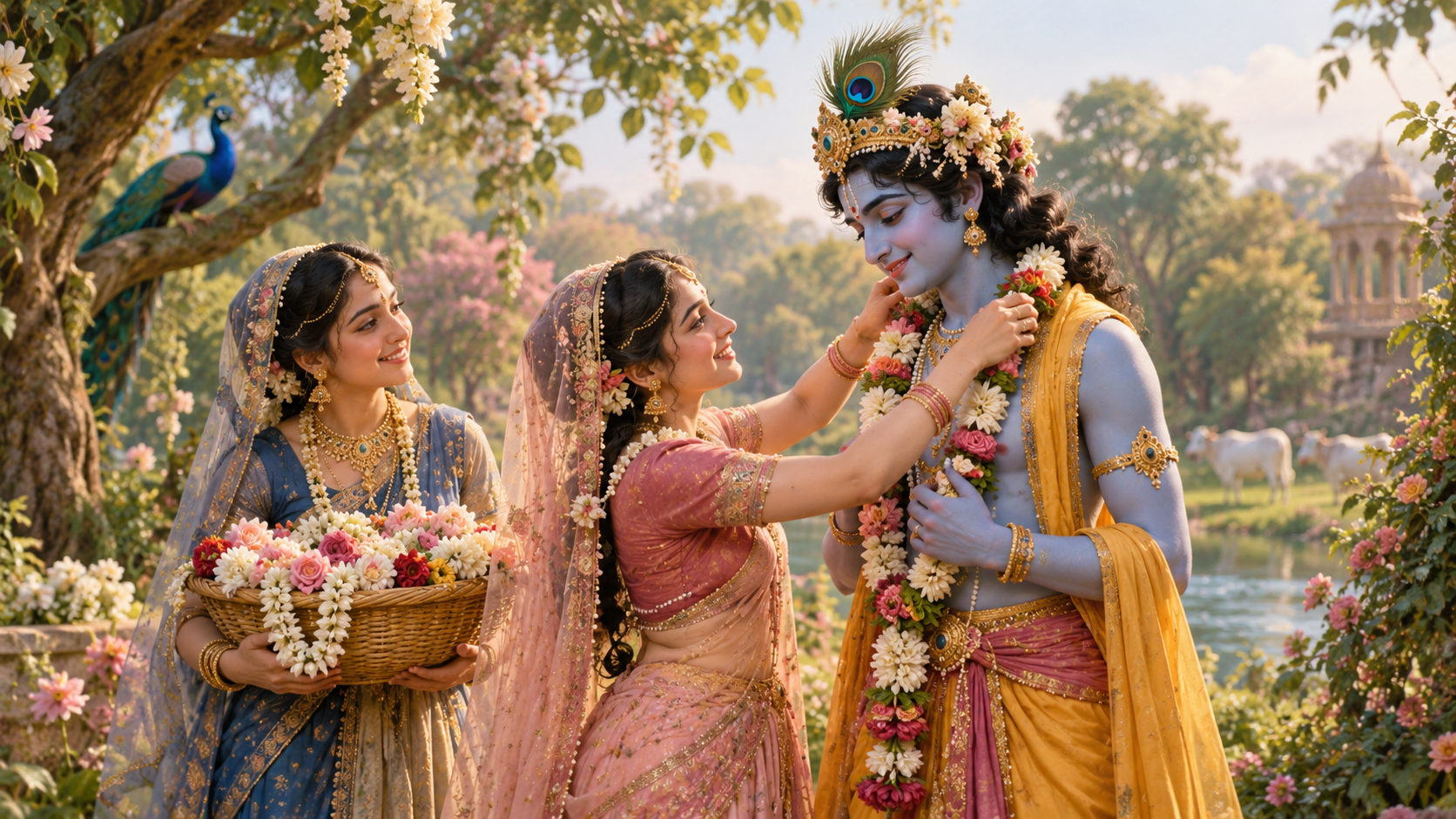
Shri Krishna reciprocates the devotee's love by increasing His own charm, which in turn increases the devotee's love. As the devotee's love increases, Shri Krishna becomes still more charming, which makes the devotee love Him even more.
This ever-increasing reciprocation continues throughout eternity, and neither accepts defeat.
Unlike the material moon, which waxes until it reaches fullness and then begins to wane, divine love only waxes. It never reaches a full-moon state and therefore never begins to wane.
Unlike the material moon, which waxes until it reaches fullness and then begins to wane, divine love only waxes. It never reaches a full-moon state and therefore never begins to wane.
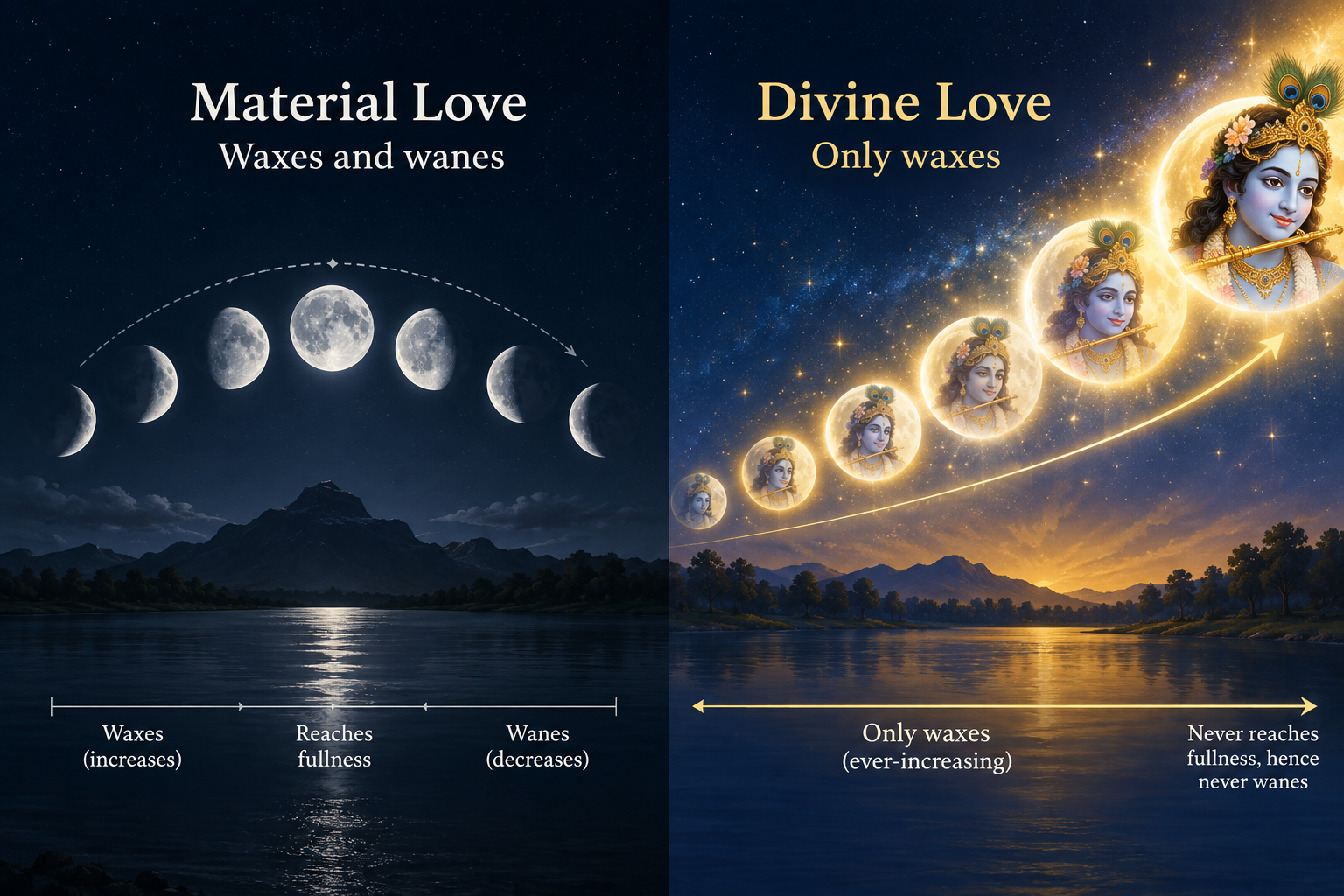
The love becomes greater and greater. The bliss becomes sweeter and sweeter.
And this competition continues forever.
So, Will You Miss Out on Happiness?
Not at all.
When you love God selflessly, you are not giving up happiness. God Himself is Bliss, so bringing Him into your mind cannot deprive you of happiness.
But selfless love goes much further than that.
When you want nothing for yourself and seek only His happiness, you leave it to God to decide what to give you—and He gives according to His means. Then begins the ever-increasing exchange of love between God and His devotee.
So not only will you not miss out on happiness by loving God selflessly—you will receive far more than you could ever ask for or even dream of.
Go Deeper
 JKP Literature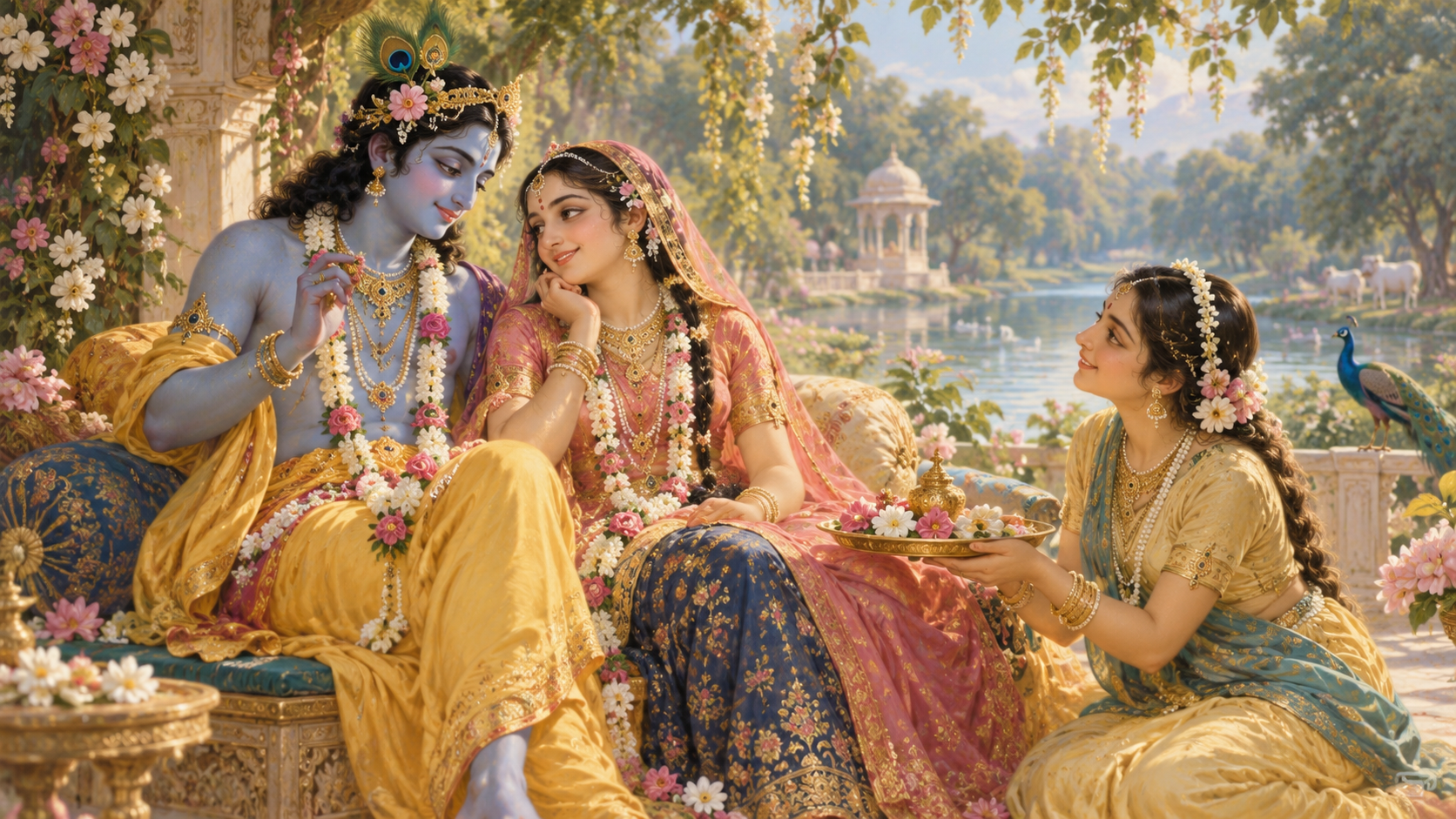
 JKP Literature
 JKP Literature