
Why Scriptures Both Praise and Criticize Gyan
The scriptures both praise and criticize Gyan. The difference lies between realized knowledge and mere intellectual understanding.

The scriptures both praise and criticize Gyan. The difference lies between realized knowledge and mere intellectual understanding.

The scriptures distinguish between two kinds of spiritual knowledge: knowledge acquired through words and knowledge gained through direct realization.
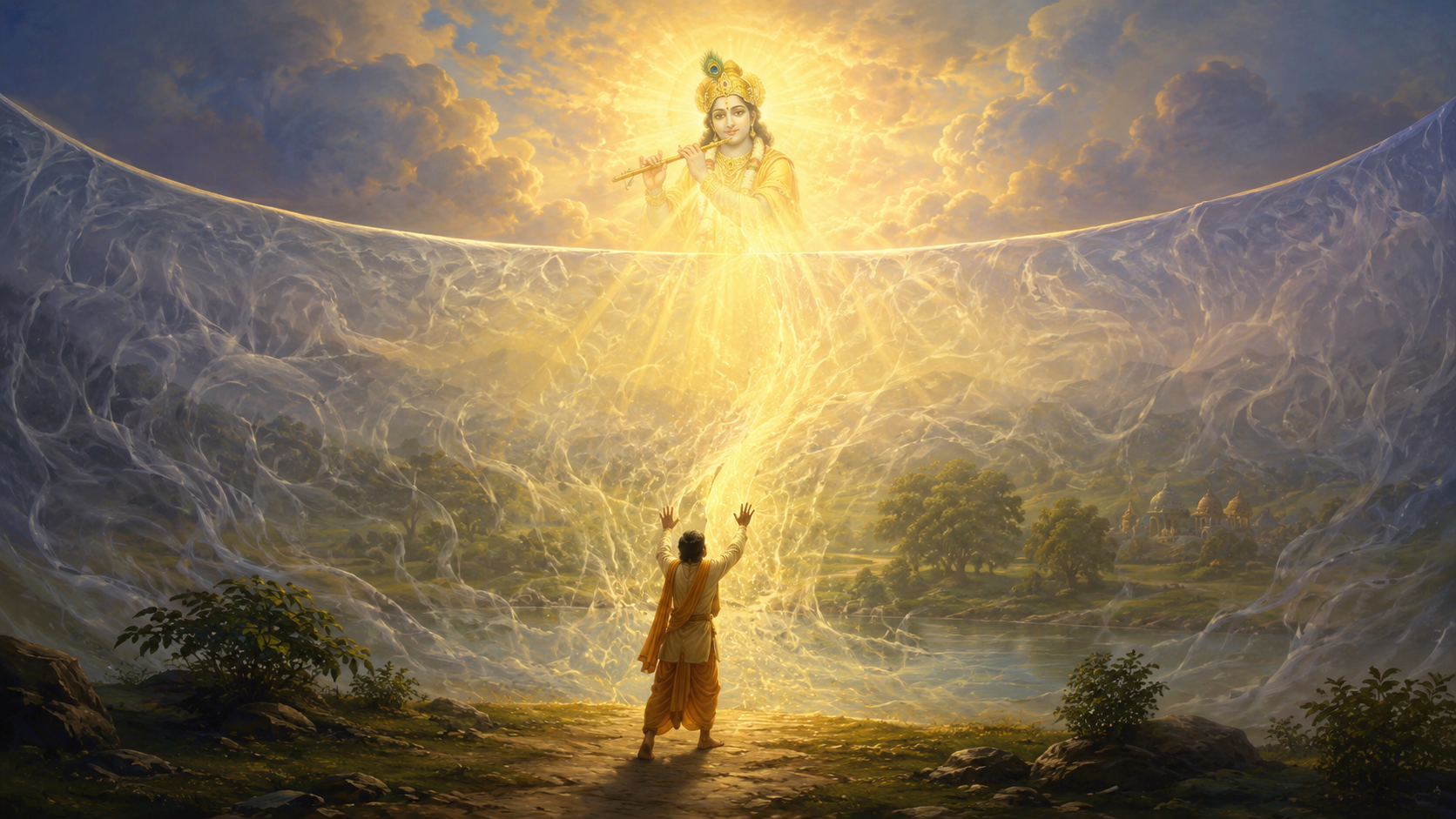
Discover why no soul can transcend Maya through self-effort alone. Learn why the mind and intellect cannot overcome Maya, why even Atma-Gyan is insufficient, and why Divine Grace alone can remove Maya and grant God-realization.
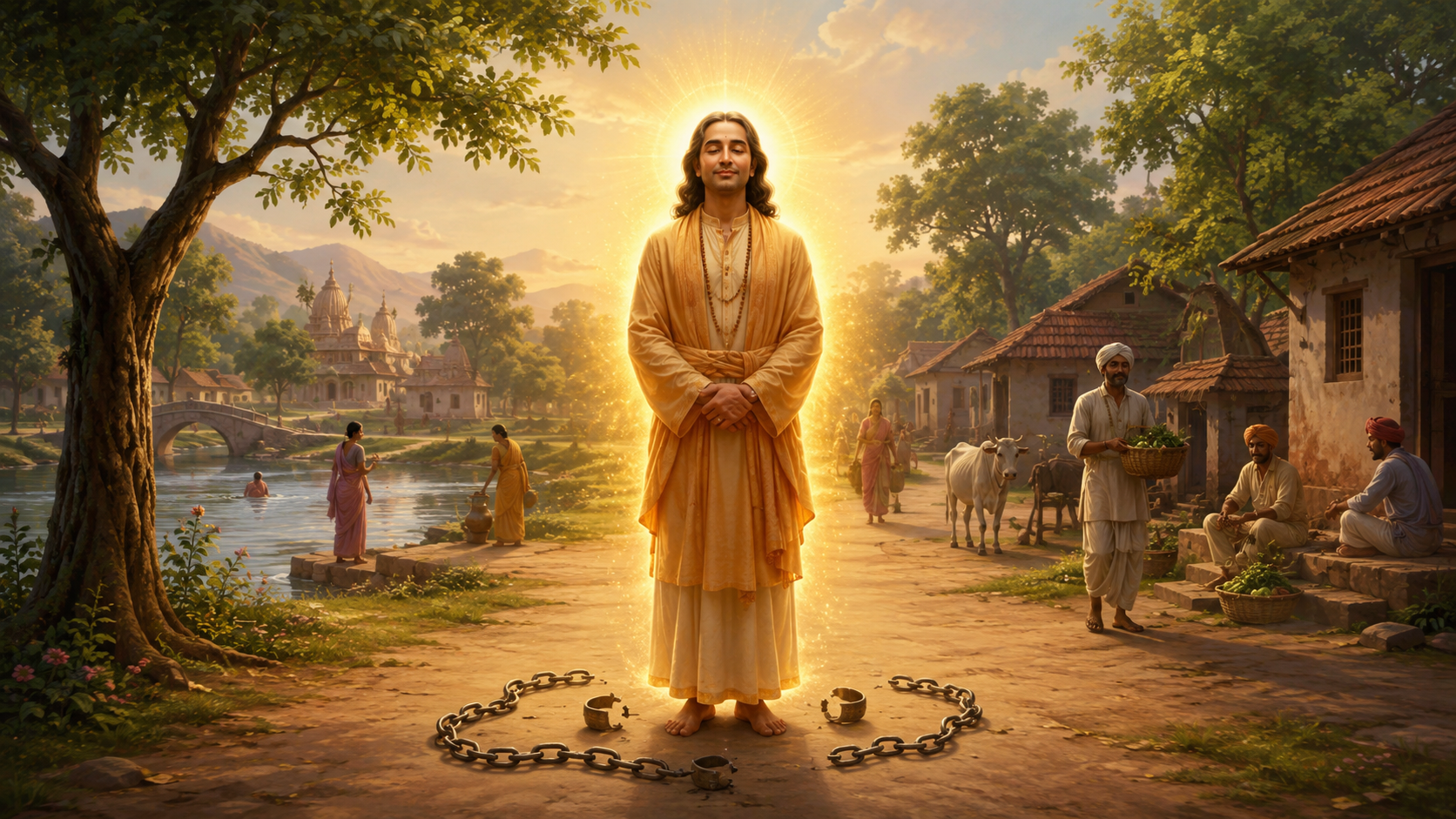
What happens when God removes Maya? Does the world disappear? Does the liberated soul leave the body? Discover how Divine Grace frees the soul from bondage while the world continues to exist, and explore how liberated Bhaktas and Gyanis experience reality after transcending Maya.
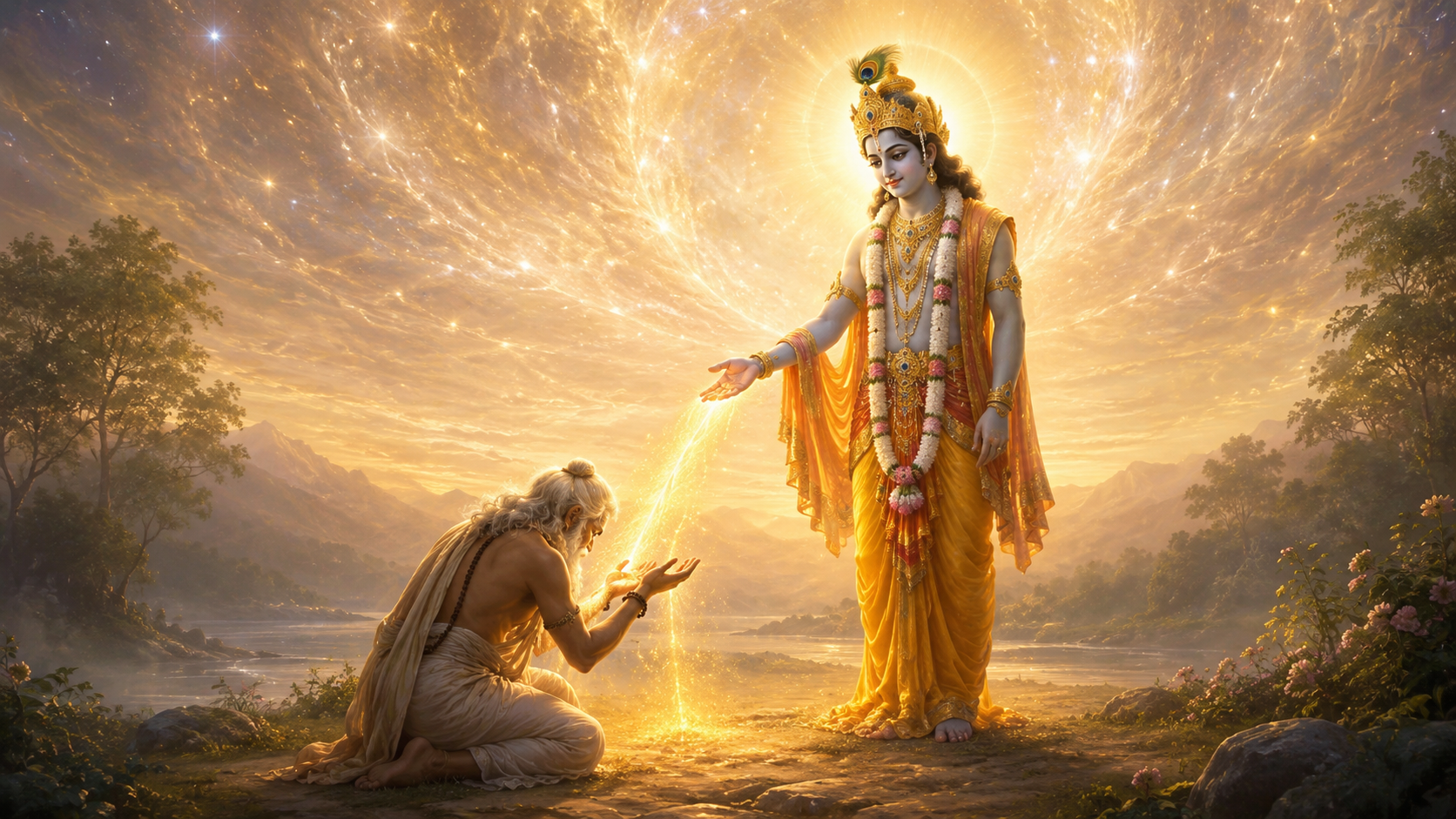
If the Gyani seeks realization of Nirakar Brahm, why must he ultimately surrender to Shri Krishna? Discover why knowledge alone cannot remove Maya and why Divine Grace is essential for liberation.
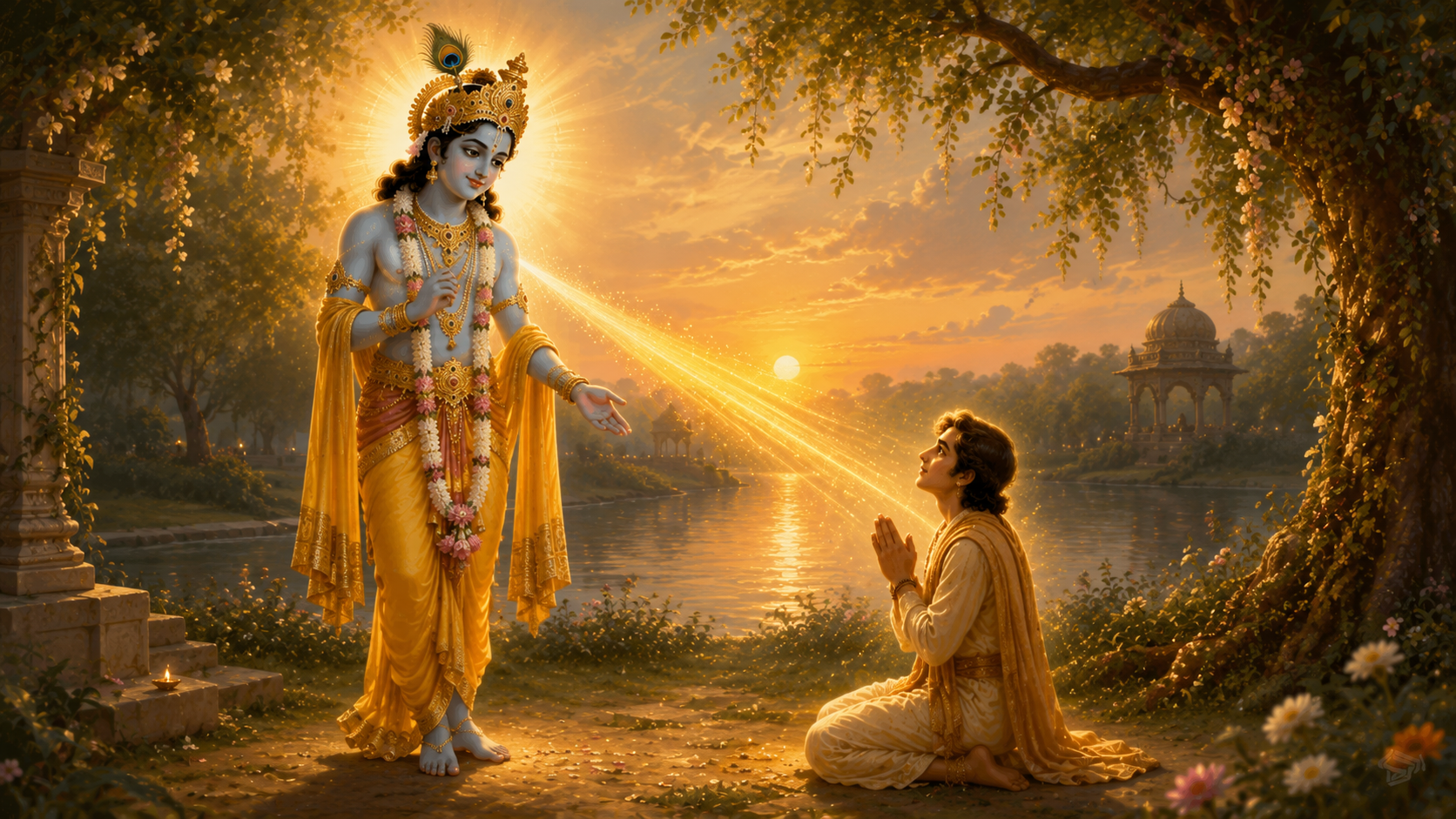
Why do scriptures sometimes describe God and the soul as one? Learn how the Vedic scriptures reconcile both distinction and intimate connection.
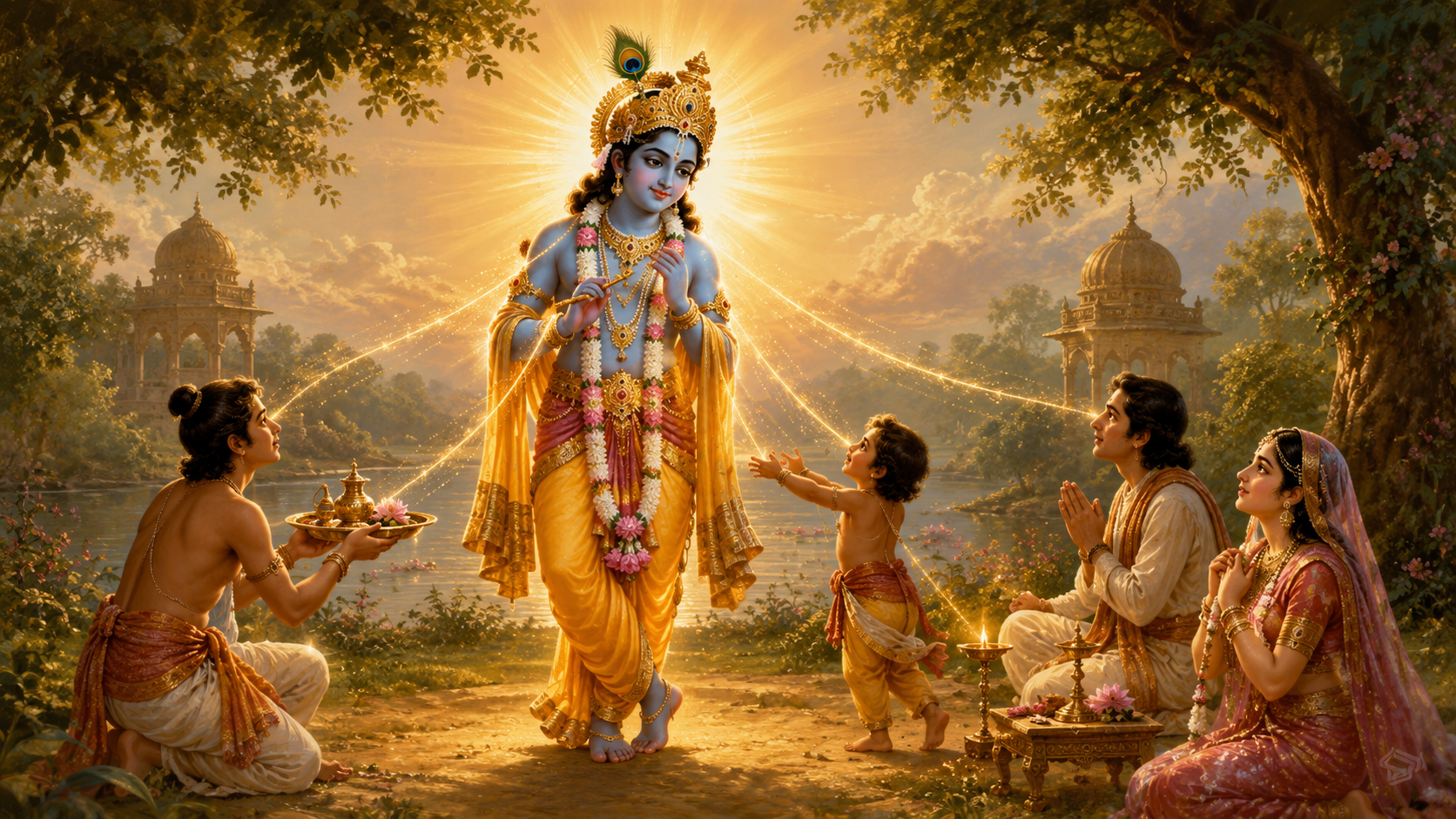
The Vedic scriptures describe Brahm and Jeev as eternally related. These relationships reveal both the soul's complete dependence upon God and its intimate connection with Him, providing the foundation for Bhakti, Grace, surrender, and Divine Love.

Gyan Marg and Gyan Yog are closely related but not identical. Gyan Marg culminates in Atma-Gyan, while Gyan Yog continues through Bhakti and Divine Grace to Brahm-Gyan and liberation from Maya.

Brahm-Gyan is realization of Brahm, the Impersonal Form of God. It is attained when knowledge is perfected through Bhakti and Divine Grace, resulting in liberation from Maya and freedom from the possibility of spiritual downfall.

Atma-Gyan is realization of the soul as distinct from the body, mind, intellect, and senses. It is the attainment sought on the path of Gyan Marg and reveals the true spiritual identity of the self.

Anubhavatmak Gyan is knowledge gained through direct experience and realization. Unlike theoretical understanding, it is knowledge that has become personally experienced and forms the foundation of true spiritual attainment.

Shabdik Gyan is theoretical knowledge acquired through study, hearing, reading, and instruction. It provides essential understanding of spiritual truth, but by itself does not constitute realization.