Why Do Scriptures Appear to Criticize Other Divine Forms?
If criticizing another Divine form is a mistake, why do the Puranas themselves sometimes appear to do exactly that?

If criticizing another Divine form is a mistake, why do the Puranas themselves sometimes appear to do exactly that?
If God is present everywhere, can one Divine abode—or one Saint or acharya—truly be considered higher than another?
If God's leelas have unfolded eternally, can they ever be exhausted—and are His Divine virtues limited to those we know?
If scripture names certain Avatars, are God's forms limited to those forms—and must a devotee worship only one of them?
If every Avatar is God, can some descensions still possess more Divinity than others?
If God can accomplish everything without descending, why does He take Avatar? The inquiry begins with the reasons for God's descension.
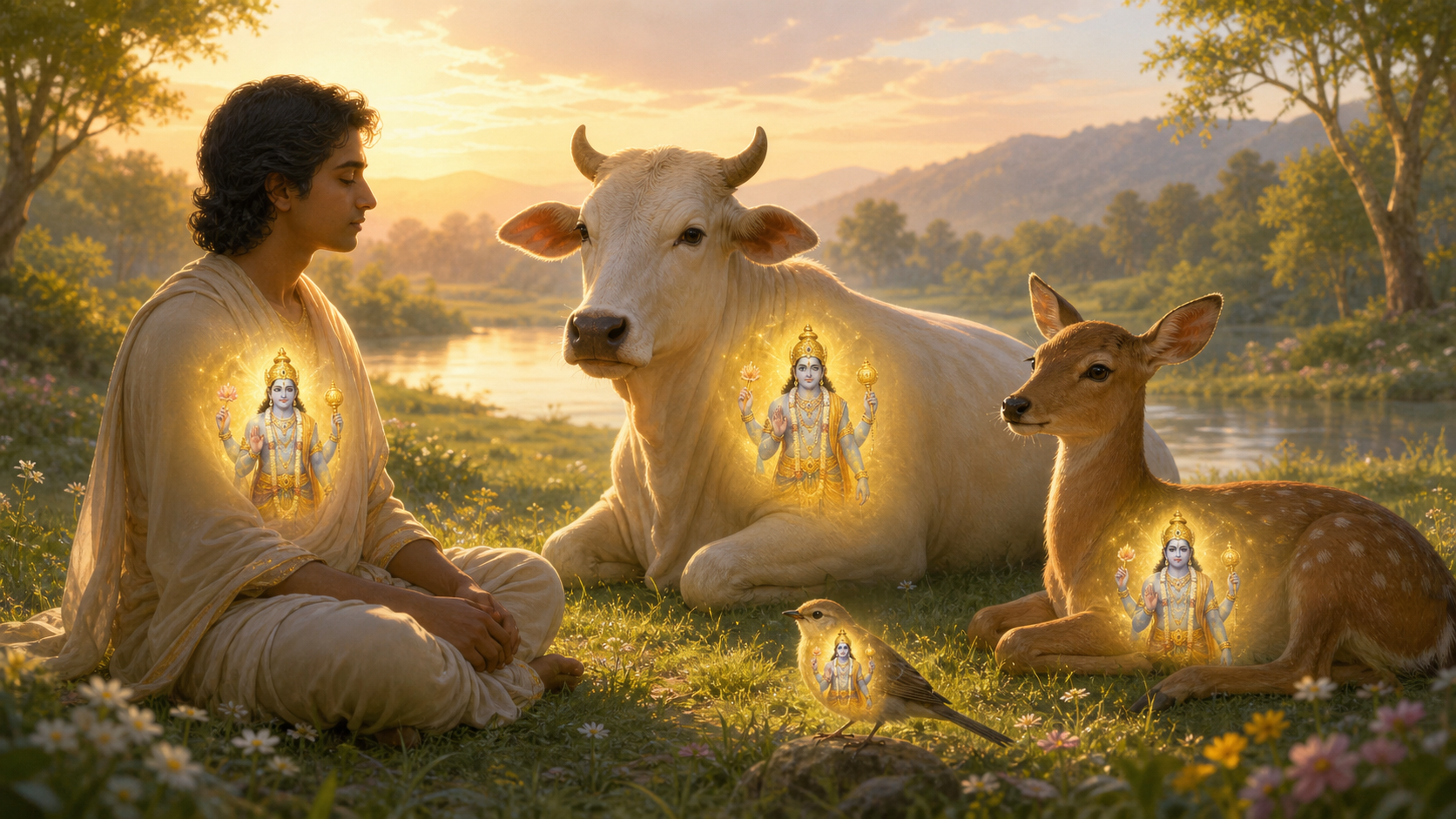
If God possesses a Divine personal form, how can He still be present everywhere?
If God’s powers operate according to His nature, does that mean He is somehow constrained or governed by those powers?

If Nirakar God has no form, how can He manifest personally without His formless, omnipresent existence disappearing?
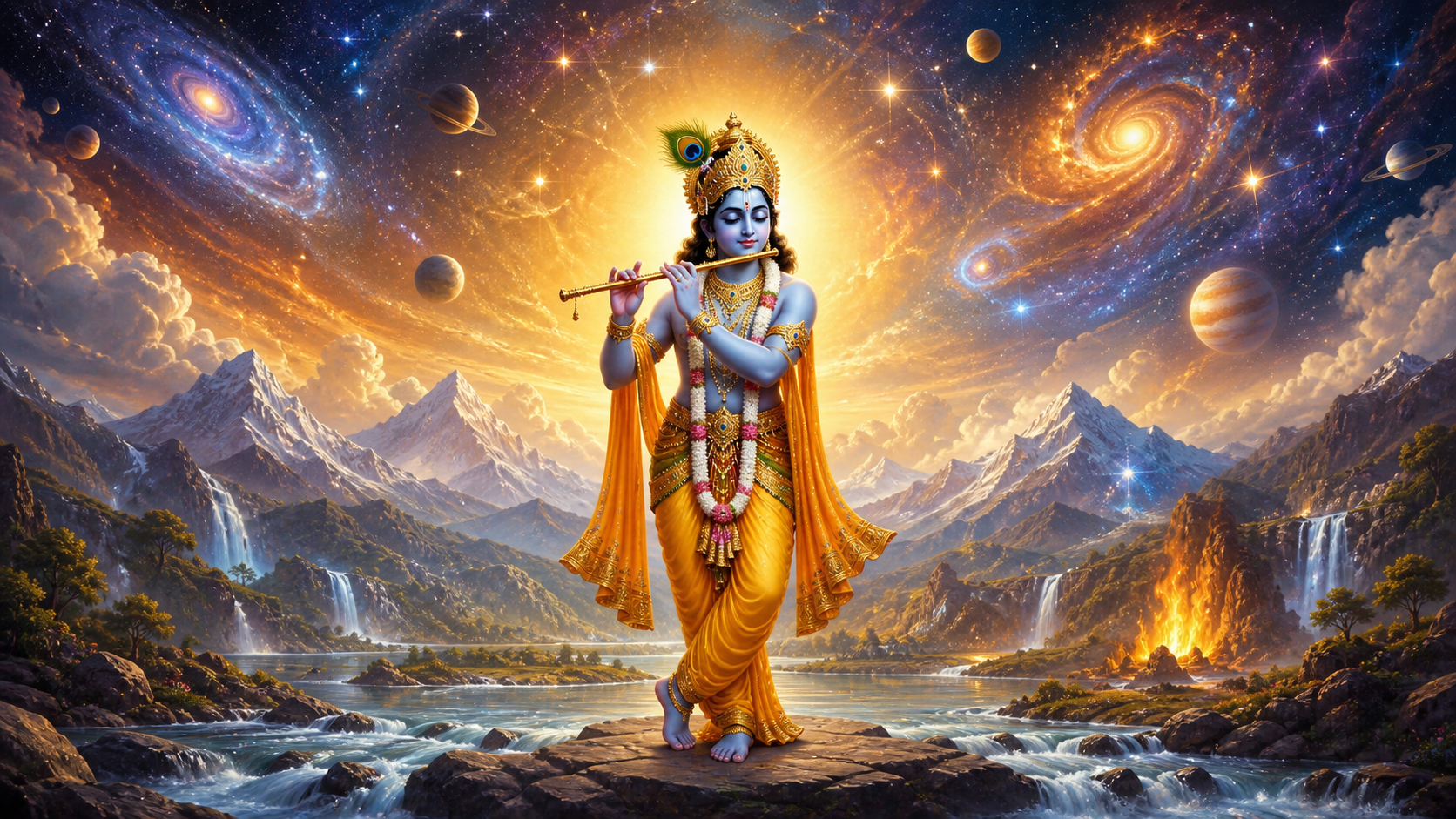
If God is all-powerful, must even self-destruction or the creation of independent Gods be possible for Him?
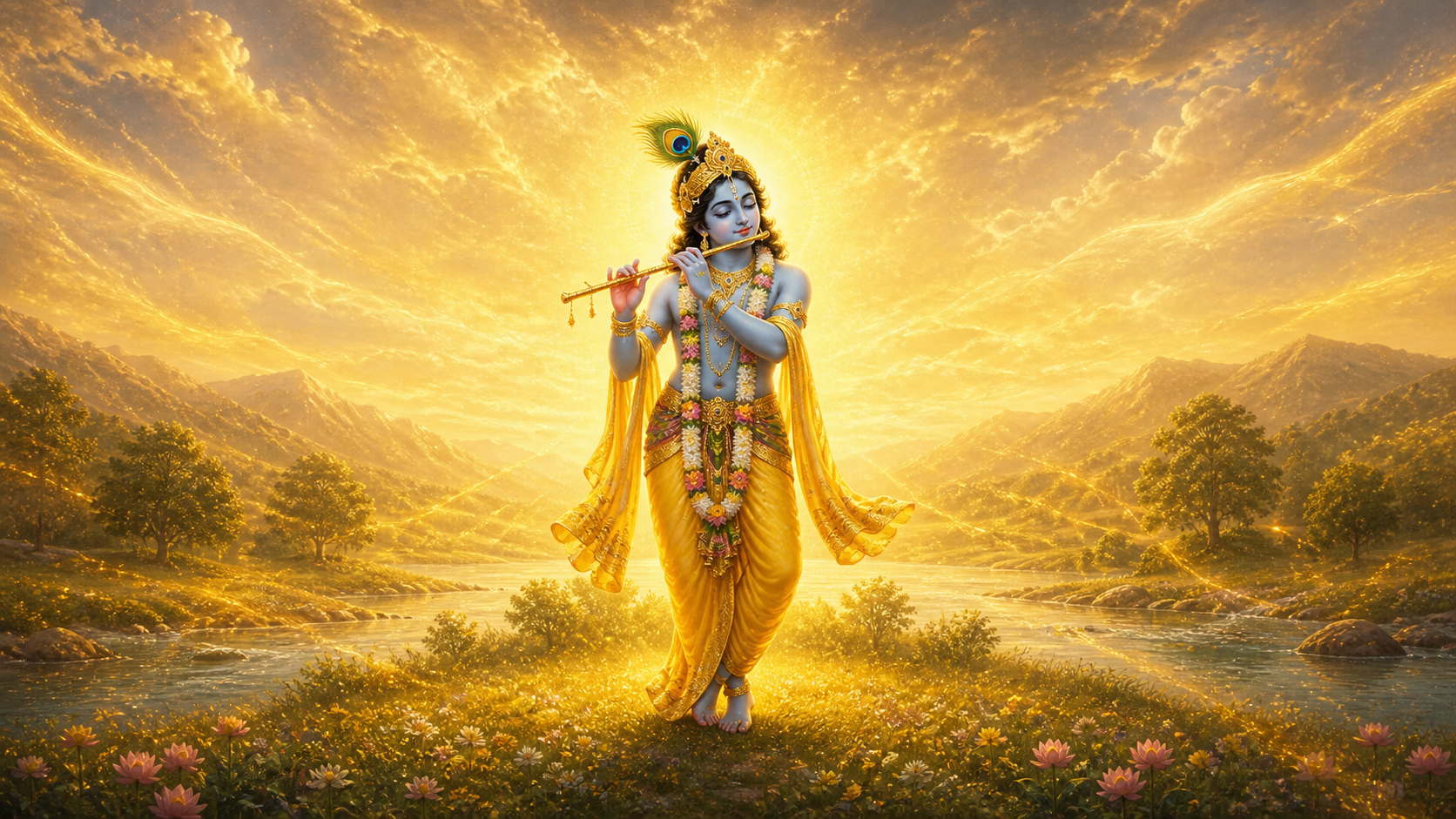
How can God be formless yet possess a personal form—and how could such a form remain omnipresent?
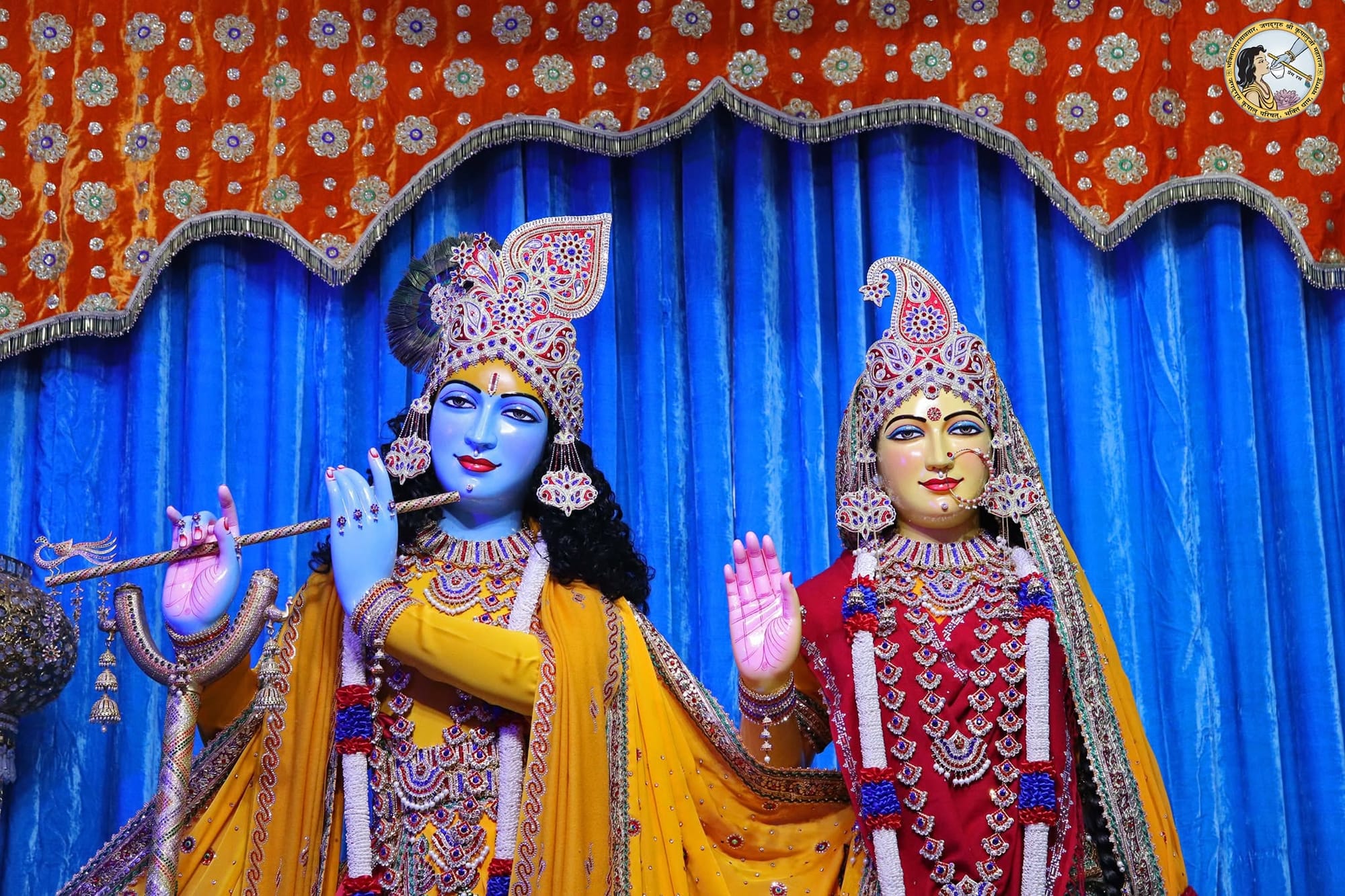
Brahm (ब्रह्म | brahma) refers to the Supreme God or Supreme Lord. The Vedas use the word Brahm for the Supreme Divine Being. Brahm is infinitely great and is the Master of both Jeev, the individual soul, and Maya, His inert material power. The word Brahm is explained through