Premanand (प्रेमानन्द)
Premanand is the eternal bliss of divine love experienced through realization of Bhagavan by His Divine Grace.
Brahm-Gyan is realization of Brahm, the Impersonal Form of God. It is attained when knowledge is perfected through Bhakti and Divine Grace, resulting in liberation from Maya and freedom from the possibility of spiritual downfall.
Atma-Gyan is realization of the soul as distinct from the body, mind, intellect, and senses. It is the attainment sought on the path of Gyan Marg and reveals the true spiritual identity of the self.
Anubhavatmak Gyan is knowledge gained through direct experience and realization. Unlike theoretical understanding, it is knowledge that has become personally experienced and forms the foundation of true spiritual attainment.
Shabdik Gyan is theoretical knowledge acquired through study, hearing, reading, and instruction. It provides essential understanding of spiritual truth, but by itself does not constitute realization.
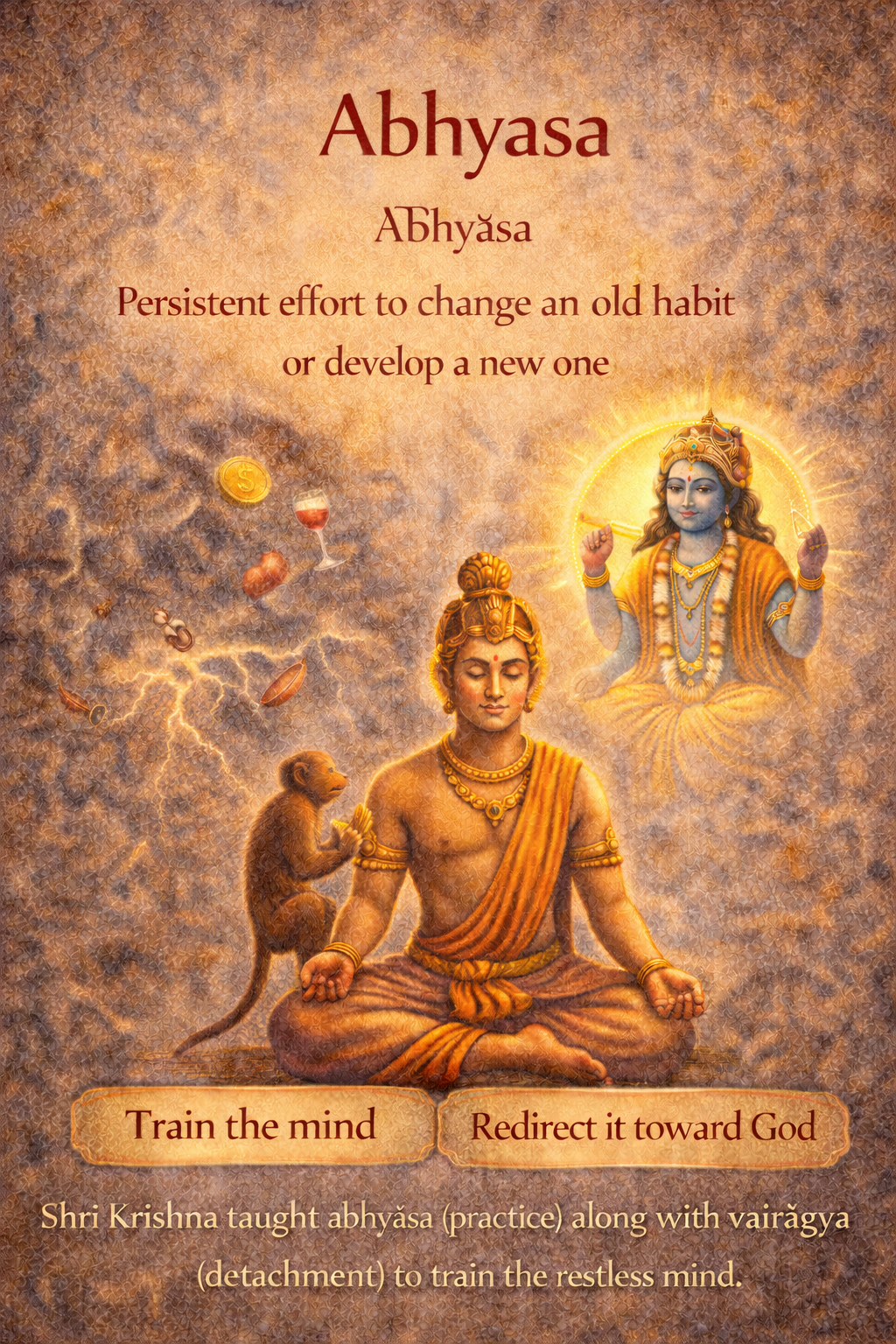
Abhyas (अभ्यास | abhyāsa) means practice. It refers to a concerted and persistent effort to change an old habit or develop a new one. What It Means Abhyāsa is the repeated effort to: * train the mind * redirect it from old tendencies * establish it in a new direction Key Insight
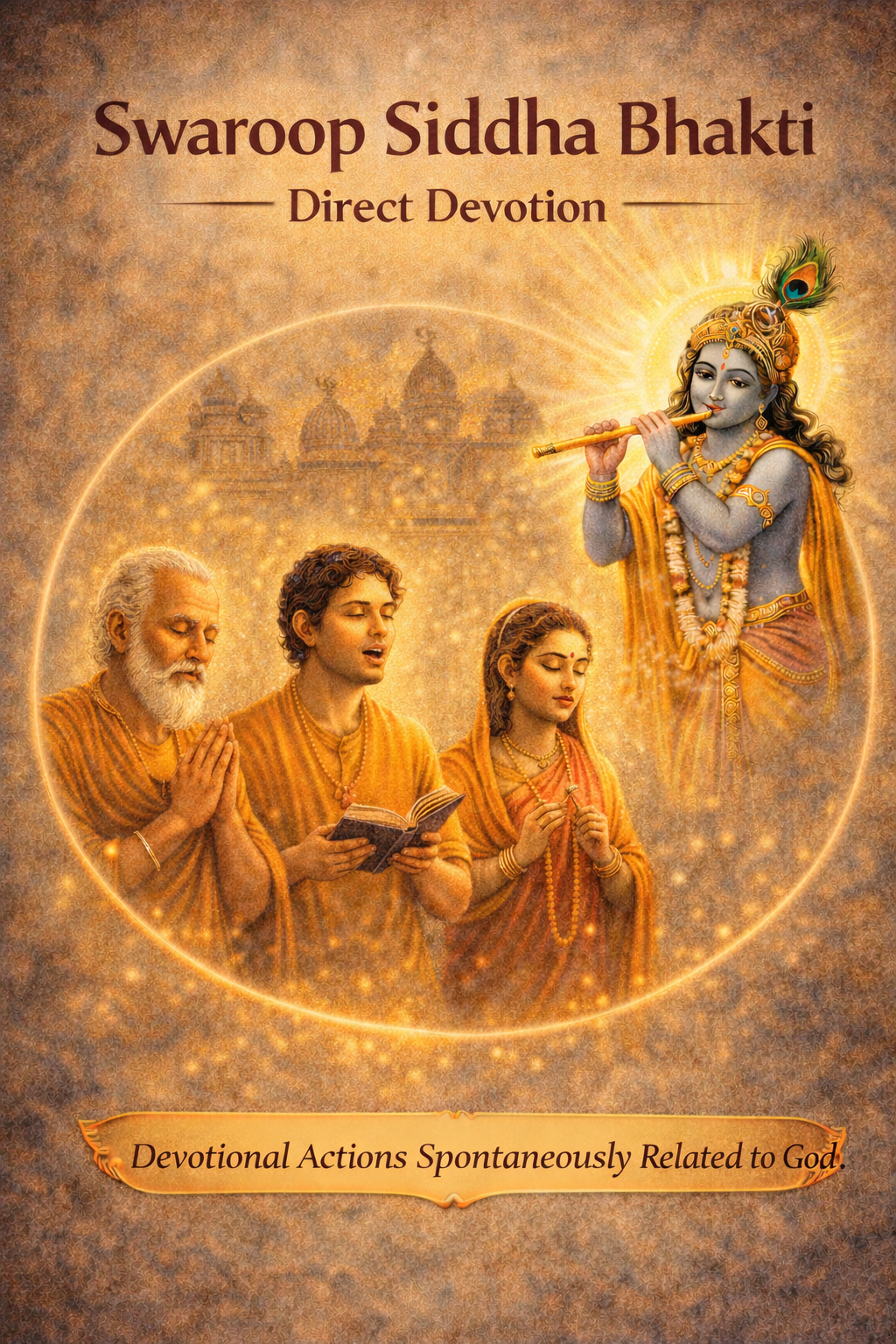
Svarupa siddha bhakti (स्वरूप सिद्धा भक्ति | svarūpa siddhā bhakti ) is devotion akin to the nature of the jiva (soul). * svarūpa — intrinsic nature * siddha — perfected / established This is bhakti is the purest form of devotion and scriptures give the proclaim that this form of bhakti is
Shakha (शाखा, śākhā) literally means "branch." In the context of Vedic literature, it refers to a specific concept. Further Reading and Reference * Related Concepts: Upanishad * Reference: Who am I? Who is Mine? Vol. 1, Ch. 2
Yajurveda (यजुर्वेद, yajurveda) is one of the four Vedas. It primarily contains the mantras and detailed instructions required to perform Vedic sacrifices and rituals. Further Reading and Reference * Alternate Spelling: Yajur Veda, Yajurved * Related Concepts: Upanishad * Reference: Who am I? Who is Mine? Vol. 1, Ch. 2
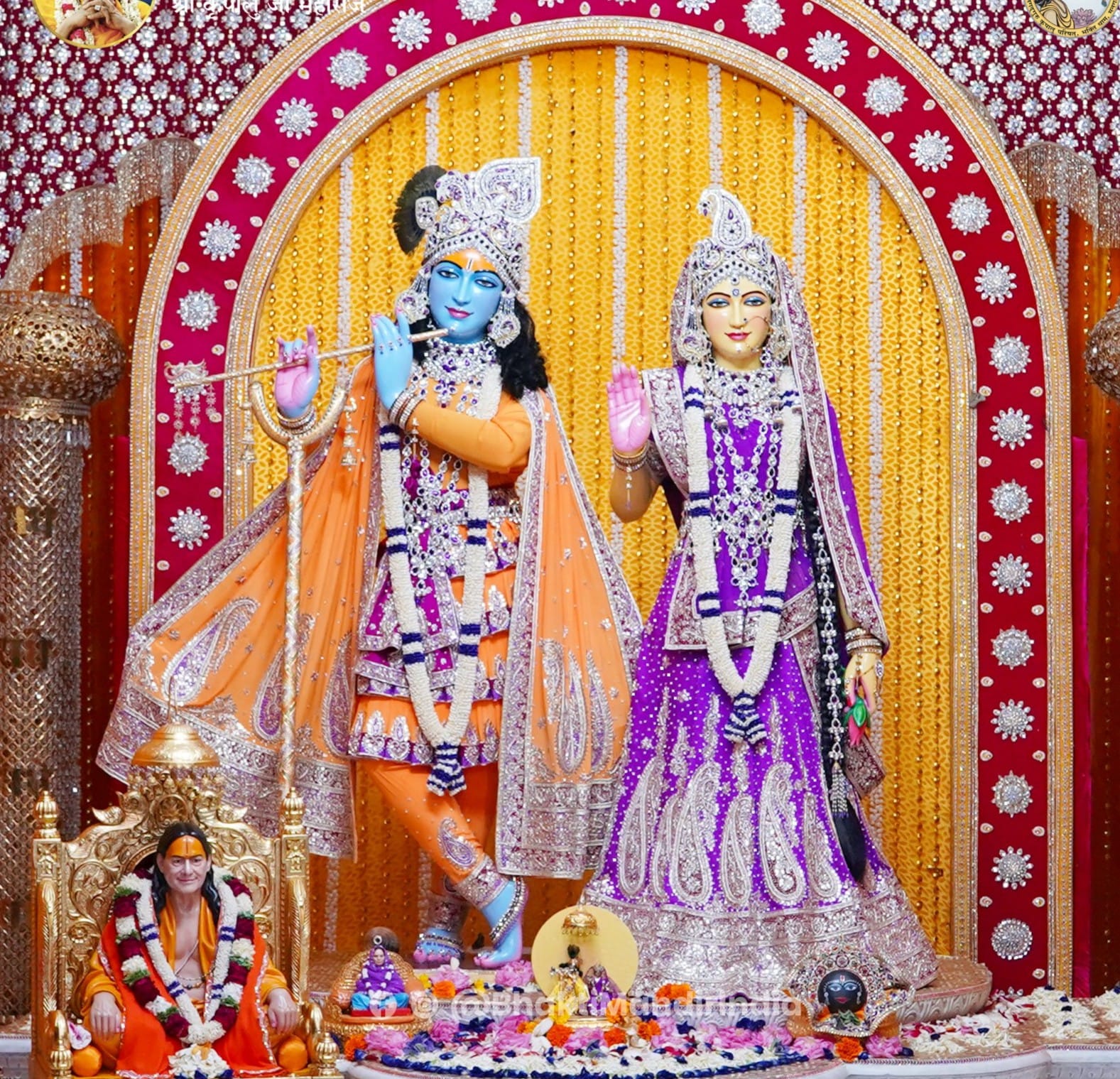
The Murti (मूर्ति) is the divine form for worship. As the true Murti is God's form, the consecrated idol helps the mind achieve God-realization via Rupdhyana.
Akshaypatra (अक्षयपात्र, akṣayapātra) refers to the inexhaustible vessel or divine bowl. The term is derived from Akshaya (un-decaying/inexhaustible) and Patra (vessel). In the Mahabharata, this vessel was gifted by the Sun God (Surya) to the Pandavas during their exile. It provided an unlimited supply of
Atharvaveda (अथर्ववेद, atharvavēda) is one of the four parts of the Vedas consisting of 50 branches (shakha), comprising verses for averting calamities and bodily afflictions, and for performing religious rites. Further Reading and References * Also written as Atharva Veda, Atharv Ved * Further Reading: rigveda, saamved, yajurveda, When and