
reference
moksha | मोक्ष
Same as mukti.

Explains the spirit in the meanings of the Vedic words, as explained by Jagadguru Shri Kripalu Ji Maharaj in his preaching and poetry for Radha Krishan devotees.
reference
Same as mukti.

reference
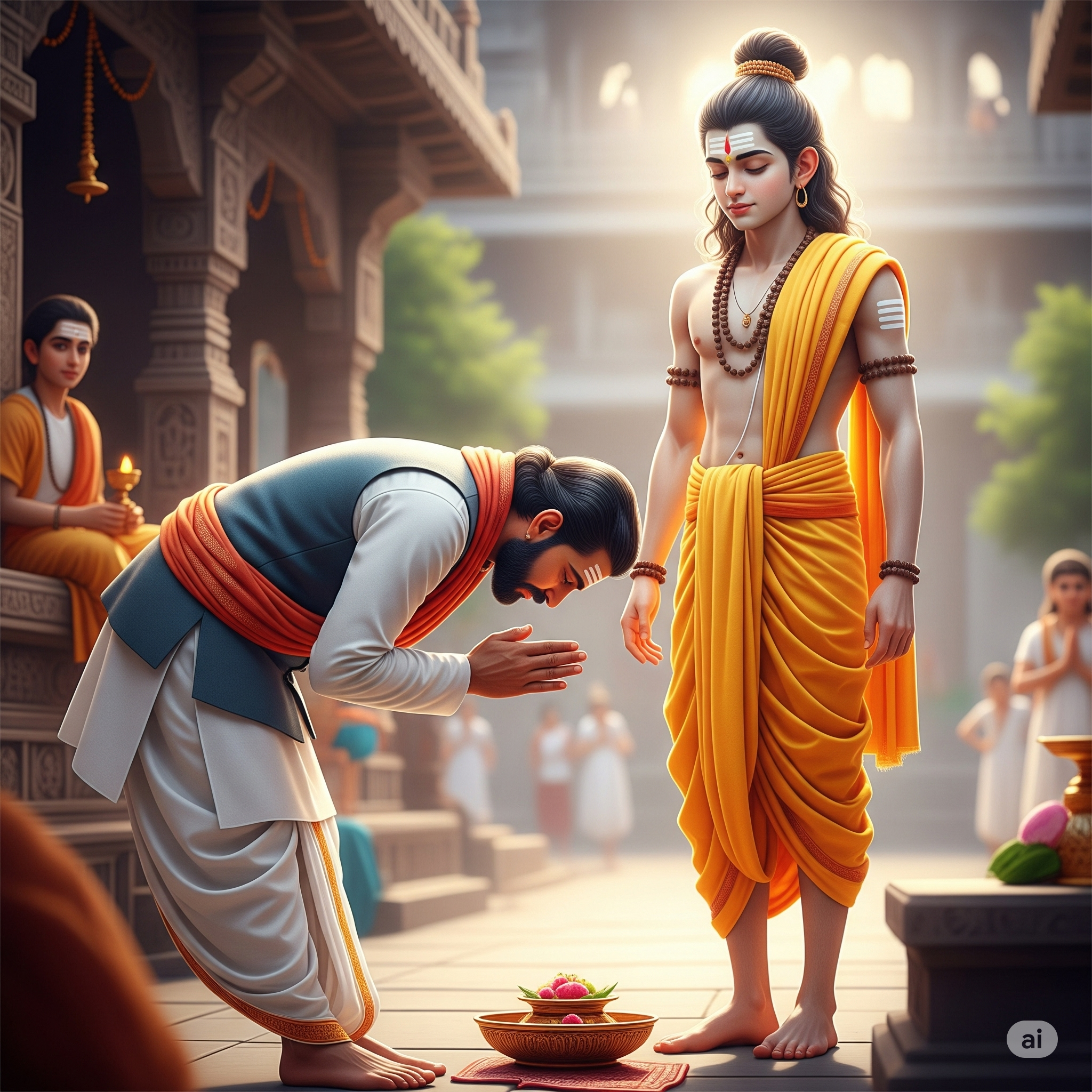
Prapann (Devanagari: प्रपन्न; ISO 15919: prapanna) refers to a fully surrendered soul. It is considered the superlative form of Panna: * Panna: Refers to the physical act of reverence—placing one's forehead on the feet of God (Hari) or the Guru to honor Them. * Prapanna: Refers to
reference
Sharanagati (Devanagari: शरणागति; ISO 15919: śaraṇāgati) refers to the state of surrender or exclusive refuge. It entails the "submission of spontaneity," meaning the devotee voluntarily gives up their independent will and ego-driven initiatives to rely totally on the mercy of God. Far from being a forced act,
reference
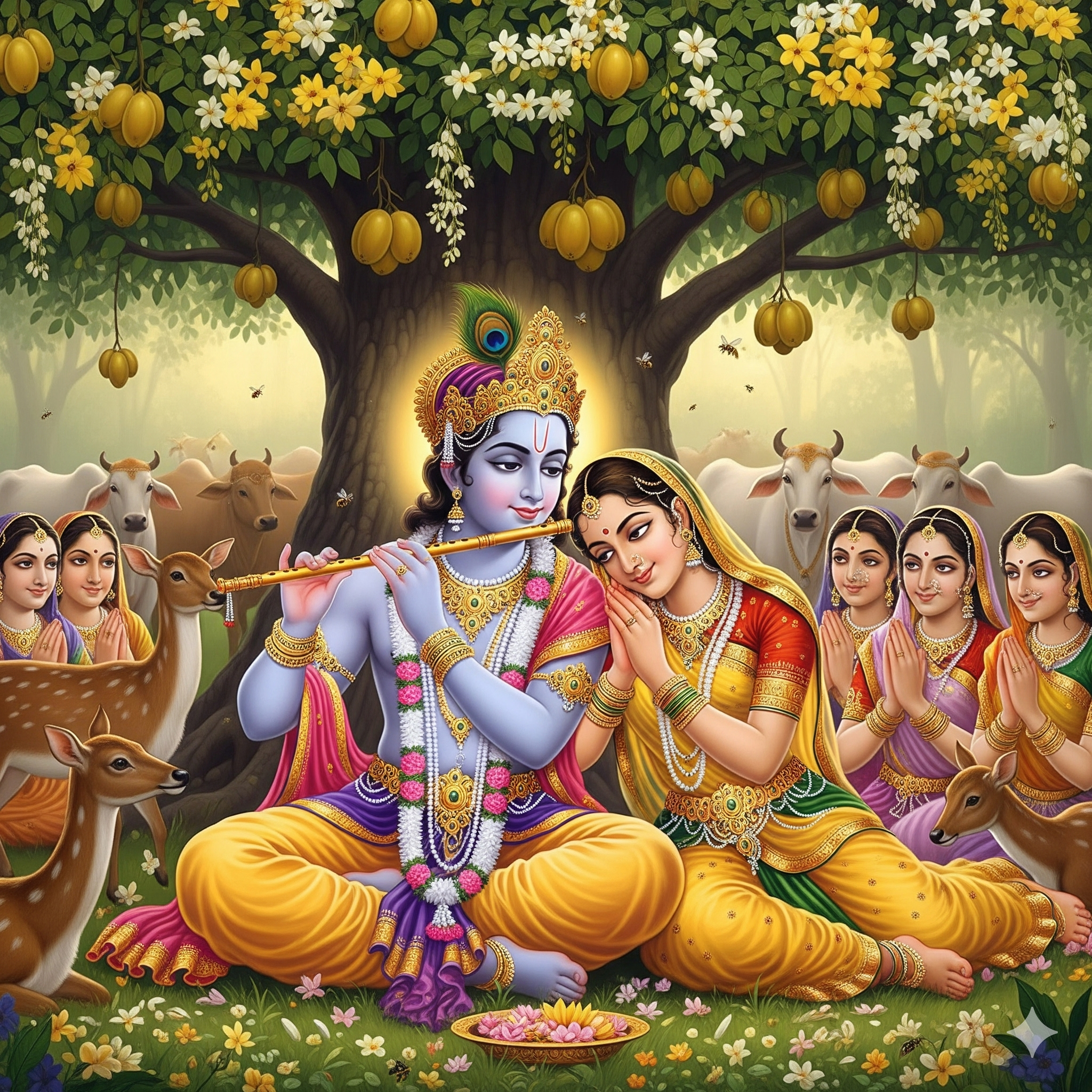
Svayam Shri Krishna (Devanagari: स्वयं श्री कृष्ण; ISO 15919: svayaṁ śrī kṛṣṇa) literally means "Shri Krishna Himself." 👑 The Supreme Source This term is used to denote the Supreme Lord (Purna Brahm). It signifies that He is the absolute source of: * All Descensions: He is

reference
Satya Sankalp means "True Resolve." Discover this divine quality where God's will is instantly fulfilled, contrasting human uncertainty with Divine perfection.
reference
Vishesh Kripa (Devanagari: विशेष कृपा; ISO 15919: viśēṣa kr̥pā) refers to Special Grace. Unlike General Grace (Samanya Kripa), which is universal, Special Grace is bestowed exclusively upon those who sincerely desire to attain God. It manifests in three profound ways: * Divine Memory: When a soul reincarnates,

reference
Samanya Kripa (Devanagari: सामान्य कृपा; ISO 15919: sāmānya kr̥pā) refers to God's general grace. It is the benevolent kindness that God bestows equally upon all living beings, regardless of their devotion or recognition of Him. We do not pay God for these services,

reference
The Significance of January 14th: A Historical Conferral Beyond the start of a new year, January holds profound historical significance. On the auspicious day of Makar Sankranti (January 14, 1957), the revered Shri Kripalu Ji Maharaj graciously accepted the singular title of Jagadguru—an honor bestowed by the scholars of
reference
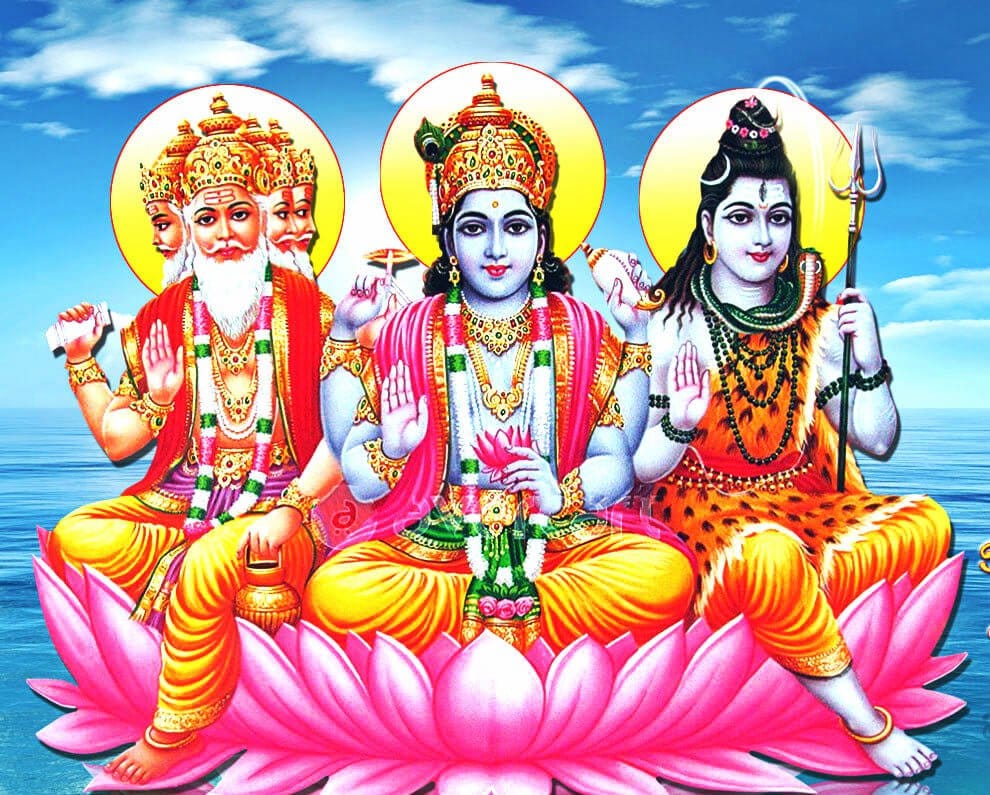
Same as Trimurti.

reference
Kamadhenu (Devanagari: कामधेनु; ISO 15919: kāmadhenu) refers to the celestial wish-fulfilling cow. Residing in svarga (Heaven), she is capable of fulfilling any material desire of her owner. Vedas say all the deities (Devi-Devatas) live within her physical form, symbolizing her sacred and all-encompassing nature. Legend of Raghu Her

reference
The Four Kumars (Devanagari: कुमार; ISO 15919: kumāra) refer to the four brothers: Sanak, Sanandan, Sanatan, and Sanat. Collectively, they are also known as Sanakadi (Devanagari: सनकादि; ISO 15919: sanakādi), meaning "Sanak and the others." Their Birth They manifested from the mind (Manas) of Creator

reference
Triloka (Devanagari: त्रिलोक; ISO 15919: trilōka) refers to the Three Worlds or the collective three classes of material planes. These realms are: * Swarg lok (Celestial Abodes): The heavenly realms. God grants residence here for a limited duration as a reward for strictly adhering to Vedic injunctions. * Mrityu