
reference
tiryagyoni | तिर्यग्योनि
tiryagyoni (Devanagari: तिर्यग्योनि ISO15919: tiryagyōni ) means life form of the animal kingdom. LEARN MORE * Bhog Yoni * Karma Yoni * Make This Human Form a Boon For You

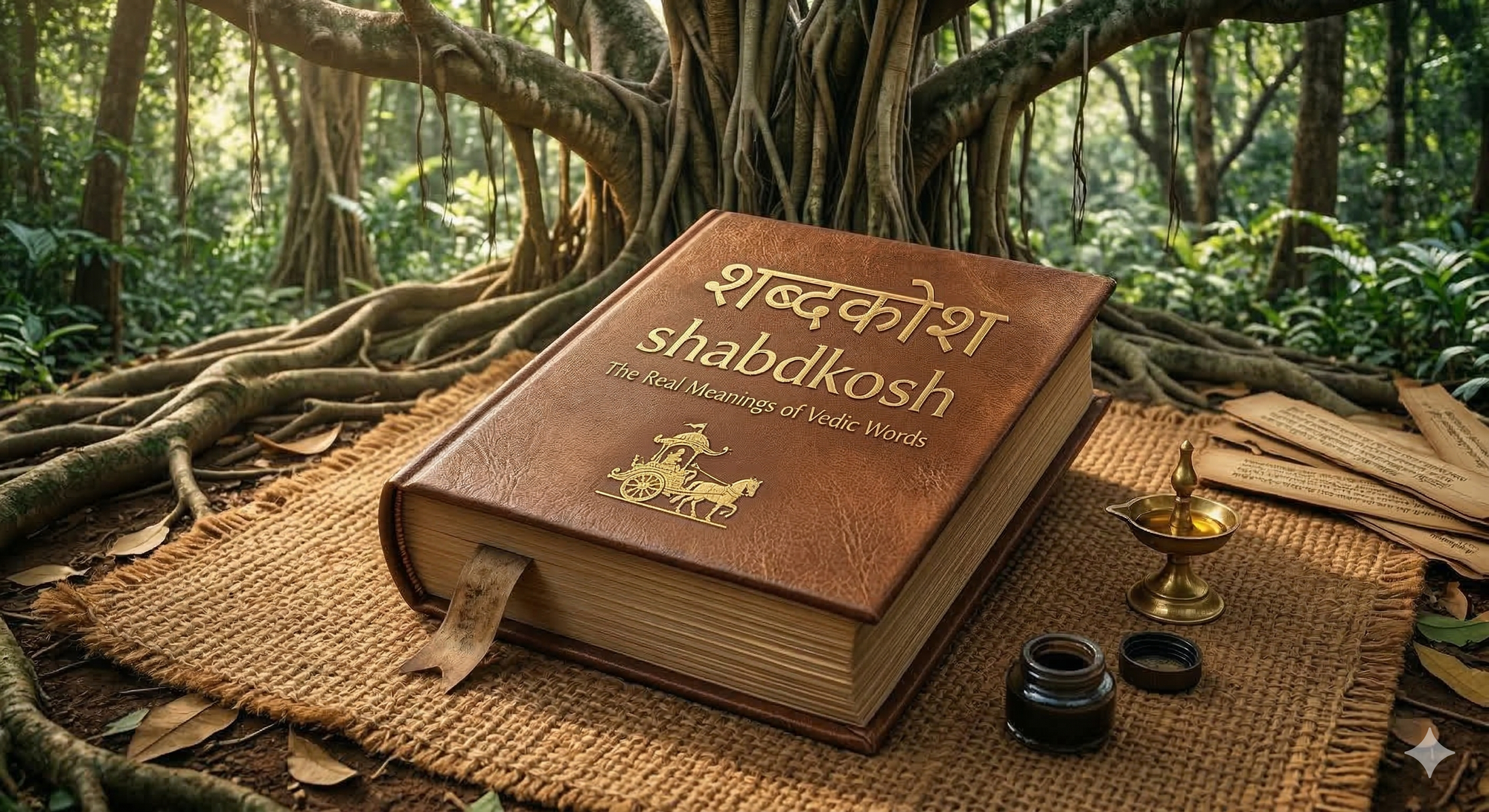
Explains the spirit in the meanings of the Vedic words, as explained by Jagadguru Shri Kripalu Ji Maharaj in his preaching and poetry for Radha Krishan devotees.
reference
tiryagyoni (Devanagari: तिर्यग्योनि ISO15919: tiryagyōni ) means life form of the animal kingdom. LEARN MORE * Bhog Yoni * Karma Yoni * Make This Human Form a Boon For You

reference
Shri Krishna is called parabrahma (Devanagari: परब्रह्म ISO15919: parabrahma ) which means He is beyond the the physical and mental grasp of everyone. In Gita Shri Krishna has said ब्रह्मणो हि प्रतिष्ठाहम गीता 14.27 brahmaṇō hi pratiṣṭhāhama gītā 14.27 "

reference
purushartha (Devanagari: पुरुषार्थ ISO15919: puruṣārtha ) is used in two main ways. 1. General Meaning: Making efforts toward any goal. 2. Philosophical Meaning: The traditional four goals of human life (Dharma, Artha, Kāma, Mokṣa), expanded to five in devotional philosophies with the addition of Prem (Divine Love)

reference
Yamak alankar (Devanagari: यमक अलंकार ISO15919: yamaka alaṅkāra) is a figure of speech in Hindi and Sanskrit poetry. The beauty of this poetic device comes from the multiple meanings a single word can convey, adding depth and layers to the text.

reference
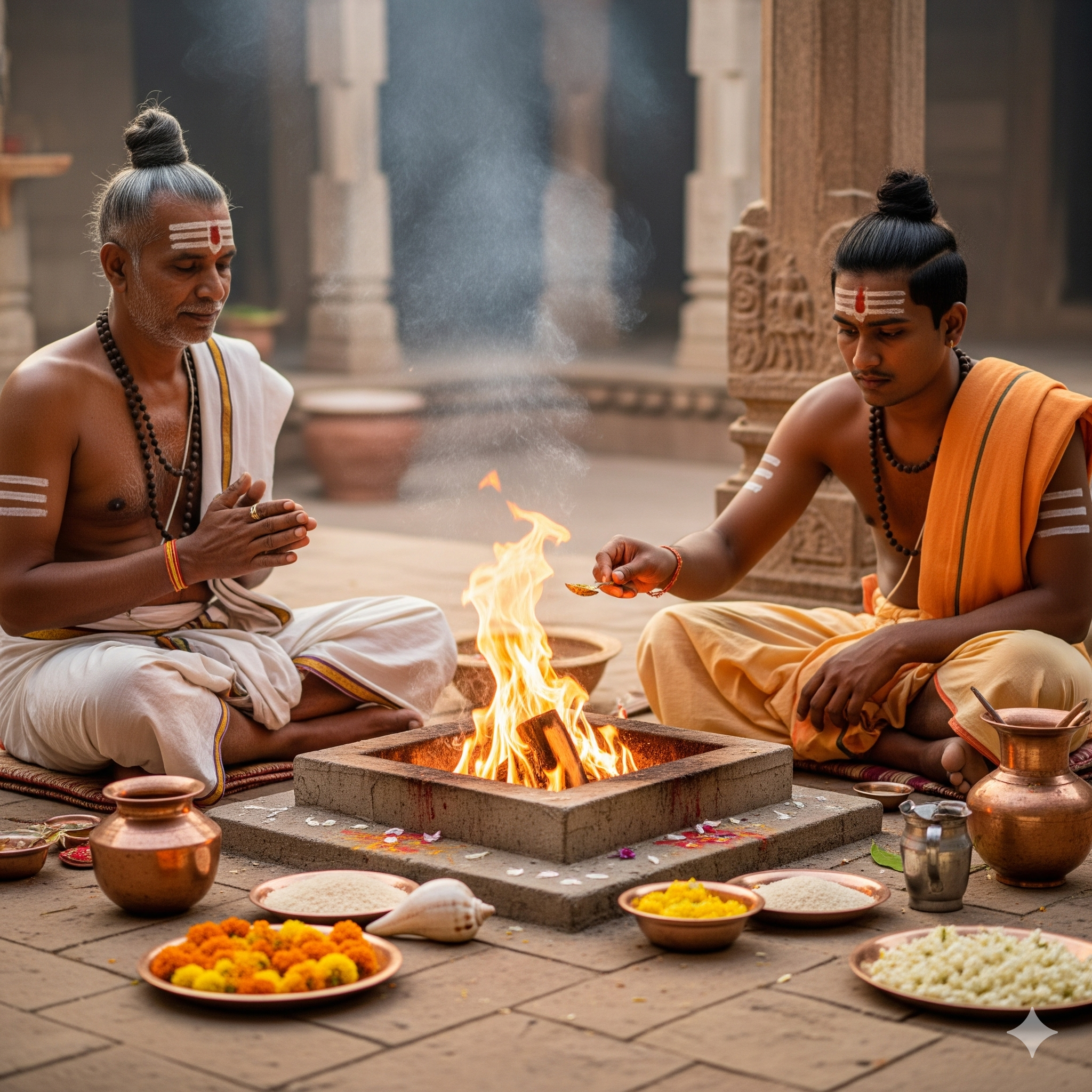
At the time of Maya creates five subtle elements. Together they are referred to as panchtanmatra (Devanagari: पंचतन्मात्रा ISO15919: paṁcatanmātrā). Each of the five senses perceives one of these panchtanmatra. LEARN MORE * panchmahabhoot * panchmahabhoot — Five gross Elements * Panchtanmatra — Five Subtle Elements
reference
karmakand (Devanagari: कर्मकान्ड ISO15919: karmakānḍa) is the same as karma dharma.

reference
Sadhan-chatushtaya (Devanagari: साधन चतुष्टय सम्पन्न ISO15919: sādhana catuṣṭaya sampanna) means the fourfold discipline. It is the eligibility test for one who wishes to step onto the path of Gyan Marg. Only after mastering these four qualifications can a seeker even begin the journey of knowledge:

reference
Also written as aarya A civilized follower of Vedic culture: one whose goal is spiritual advancement. LEARN MORE * Sanatana Dharma * Vedas * Devotion REFERENCE Prema Rasa Siddhanta - Philosophy of Divine Love

reference
The perfect devotion called siddha bhakti has eight increasing levels. Mahabhava bhakti (Devanagari: महाभाव भक्ति ISO15919: mahābhāva bhakti ) is the topmost level of siddha bhakti . It takes two forms: * rudha (Devanagari: रूढ़ ISO15919: rūṛh ) is the lower of the two levels. * adhirurha mahabhava is the higher

reference
Some devotees accept Shri Krishna to be their Beloved with an expectation of experiencing Him with all their senses. Their love is called madhurya bhava of sadharani rati (Devanagari: साधारणी रति ISO15919: sādhāraṇī rati ). Leading example of such a devotee is Kubja. LEARN MORE * Siddha bhakti * Perfect devotion

reference
A male practitioner of the path of yoga is called yogi (Devanagari: योगी ISO15919: yogī ). LEARN MORE * Path of yoga * yogini REFERENCE Practise Powerful Meditation, Ch. 5

reference
Bhavavesh bhakti (Devanagari: भावावेश भक्ति ISO15919: bhāvāveśa bhakti ) is an elated state of siddha bhakti . In this state devotee cannot hide their love. The ashta satvika bhava spontaneously appear in their body. In this state the devotee might enter a devotional samadhi where they mimic their