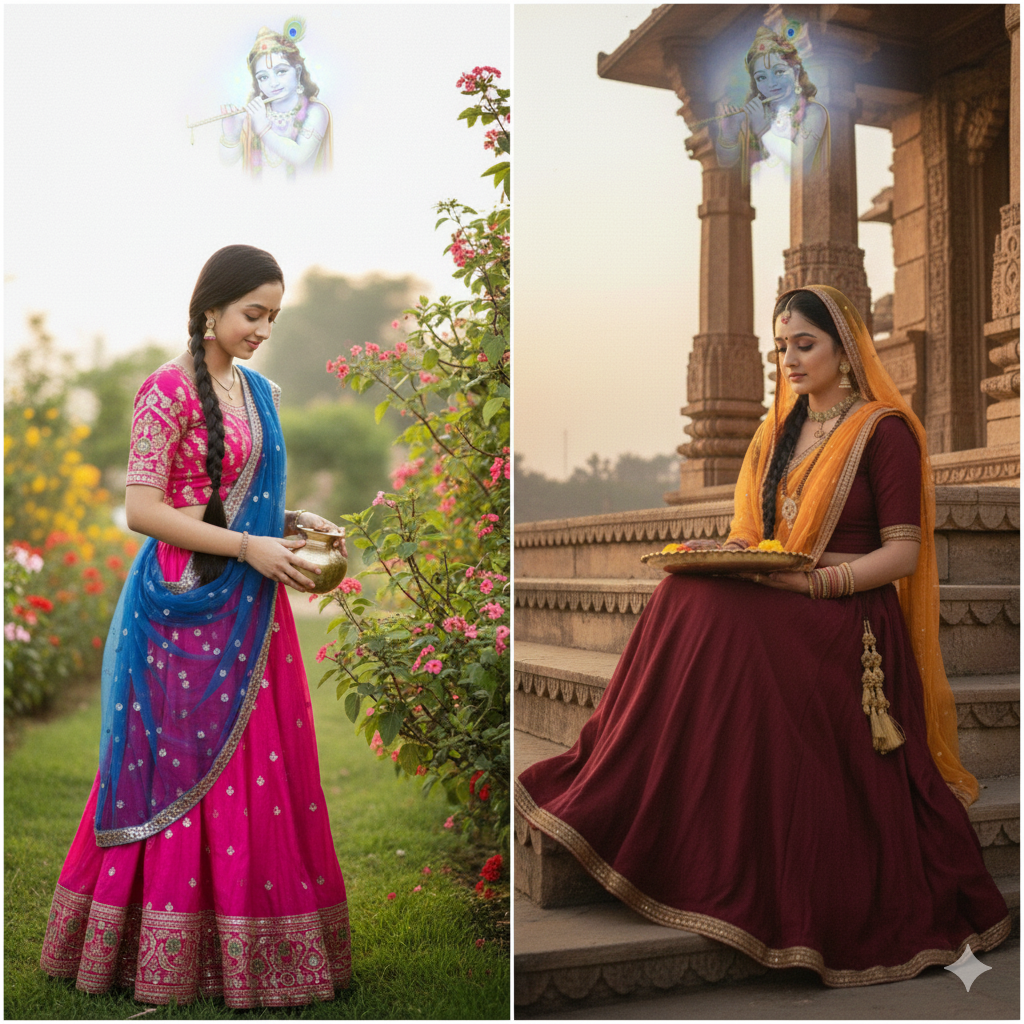
svakiya bhav | स्वकीया भाव
See parakiya bhav

See parakiya bhav
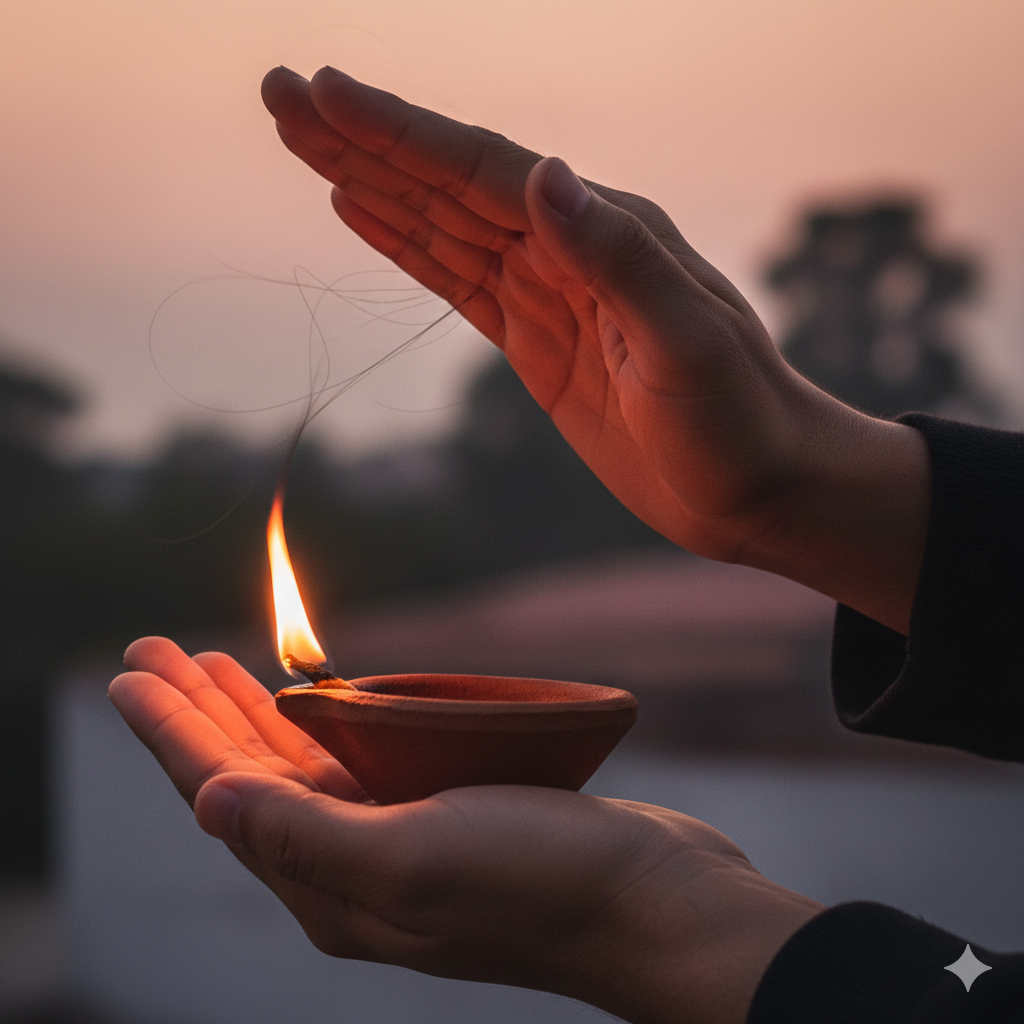
Yogakshem (योगक्षेम, yōgakṣēma) is a compound Sanskrit term for comprehensive welfare, encompassing two responsibilities: ComponentMeaningYoga (योग, yōga)Granting: To give what has not yet been given.Kṣema (क्षेम, kṣēma)Protection: To protect what has already been given. The Two Tiers of Responsibility The bearer
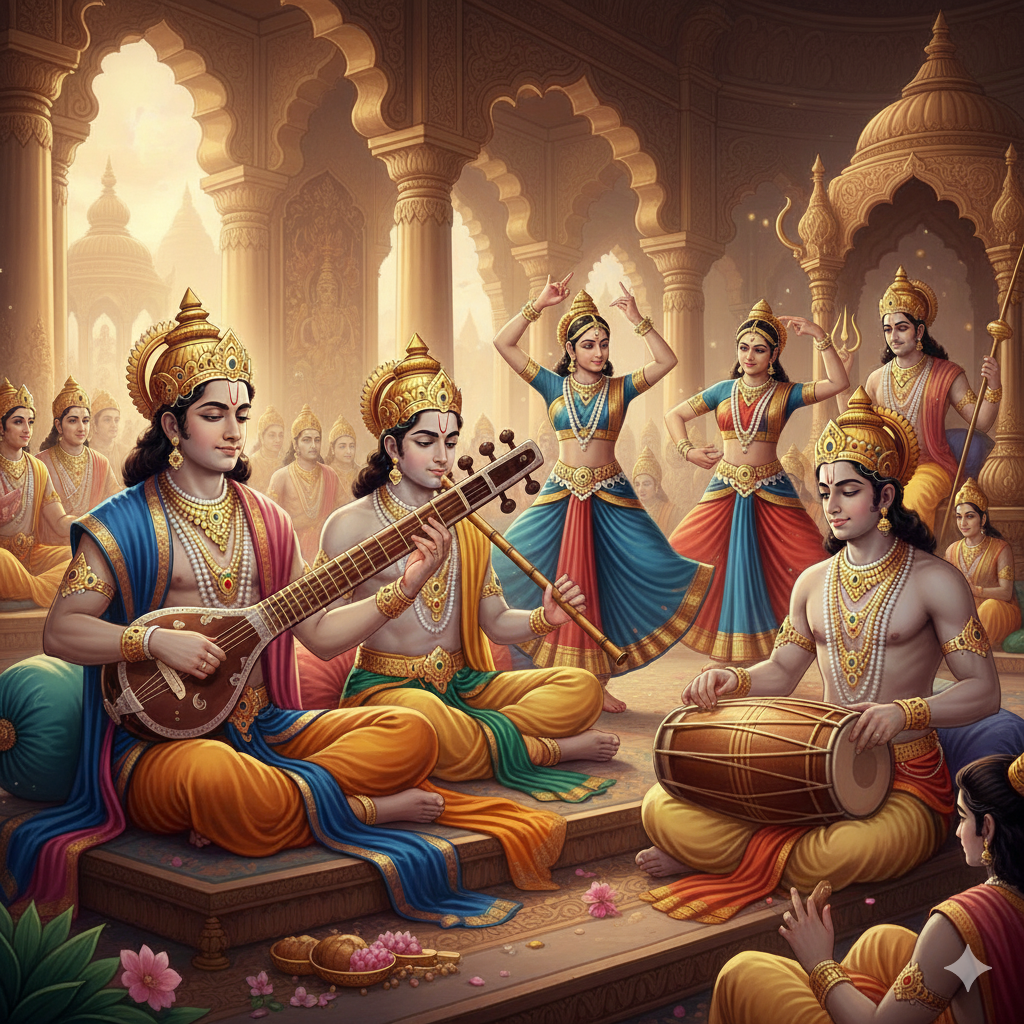
gandharva (गंधर्व, gandharva) are celestial musicians who entertain the devatas (gods) with their music. Their primary abodes are known as Manushya Gandharva Loka and Deva Gandharva Loka. Further Reading and Reference * Related Concepts: * Worldly Bliss * Tritaap — Three Sufferings * Types of life forms * Pancha Mahabhoot - Five gross elements

The mriga (मृग , mr̥ga), or deer, is an animal celebrated in Indian poetry for its large and gentle eyes. It is attracted by music. So, it is also used as a symbol of pleasing music. Further Reading and Reference * Related Concepts: papiha, charkvak, chakor * Reference: Prema Rasa Madira
Teachings
To the world, the healing of a dying child is a miracle. But for a Mahāpuruṣa (महापुरुष; mahāpuruṣa), Līlā (लीला; līlā) an act of grace to enhance the spiritual inclination of a jeev. Once there was a young Goyal couple in Allahabad, who had a very
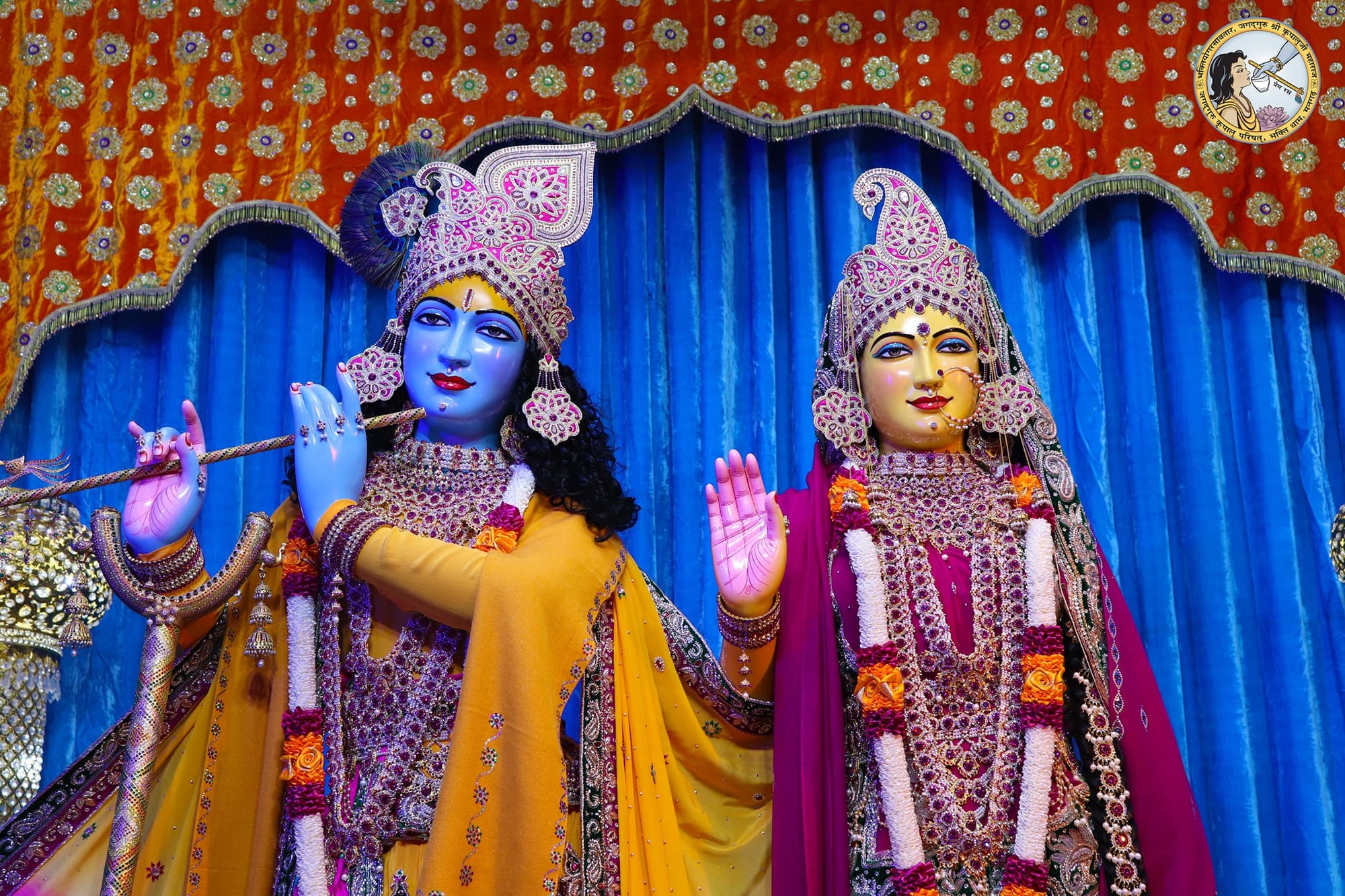
chandrika (चंद्रिका, candrikā) is the crescent-shaped decorations on a crown. Further Reading and Reference * Related Concepts: besar, pattika, karnaphool, Uniqueness of Shri Krishna's divine form * Reference: * Prema Rasa Madira - The Intoxicating Bliss of Divine Love, Vol. 2 Ch. 10

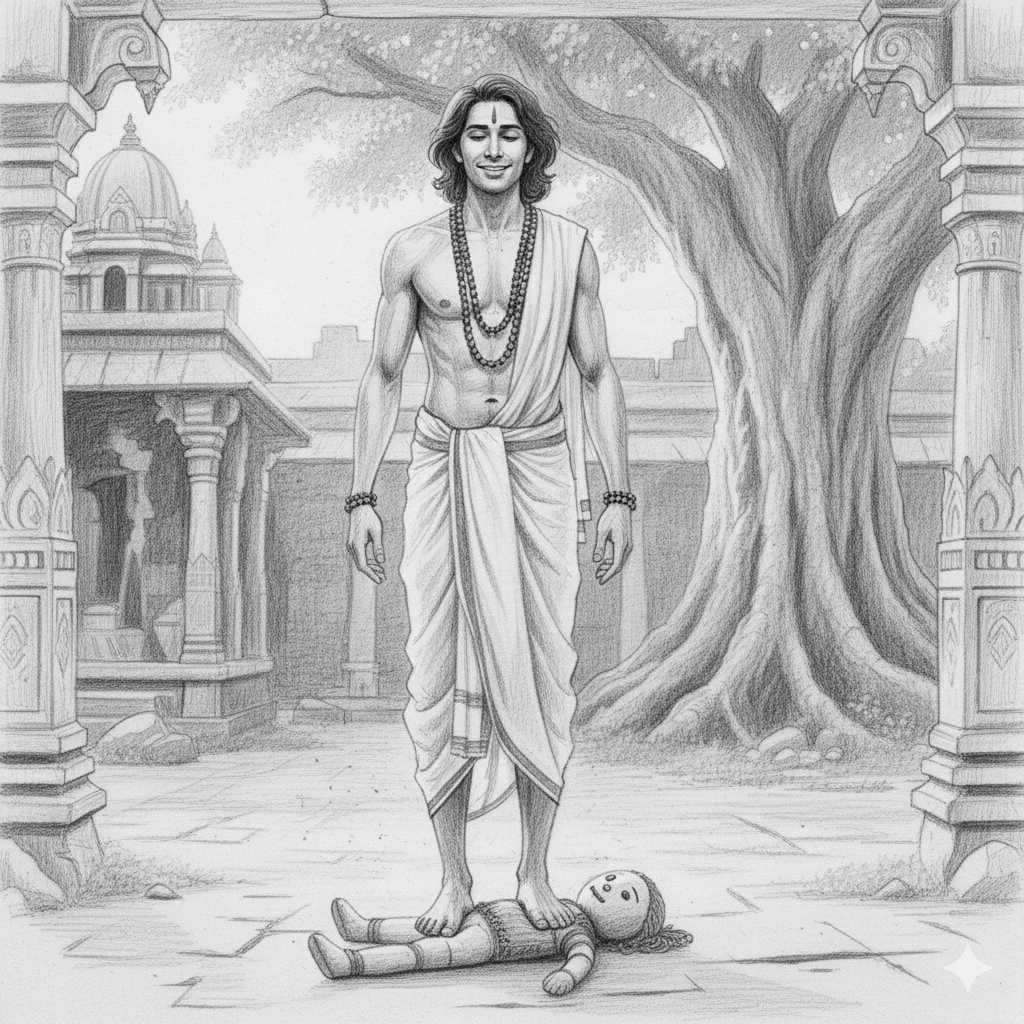
Pranipaat is superlative spiritual form of the initial act of paat, representing a distinct hierarchy in humility and surrender to your Guru. 1. Paat (पात , pāta) - a sign of physical humility, but the mind lacks true feeling of submission. 2. Nipaat (निपात, nipāta) - firm determination

Nirakar Brahm (निराकार ब्रह्म , nirākāra brahma) is the formless and non-perceivable existence of God. This is the Divine light the emanates from the divine body of Shri Krishna. Further Reading and Reference * Alternate Spelling: Nirakars Brahma * Related Concepts: * aishvaryanand * Aspects of Brahm * Bhagavan Shri Krishna
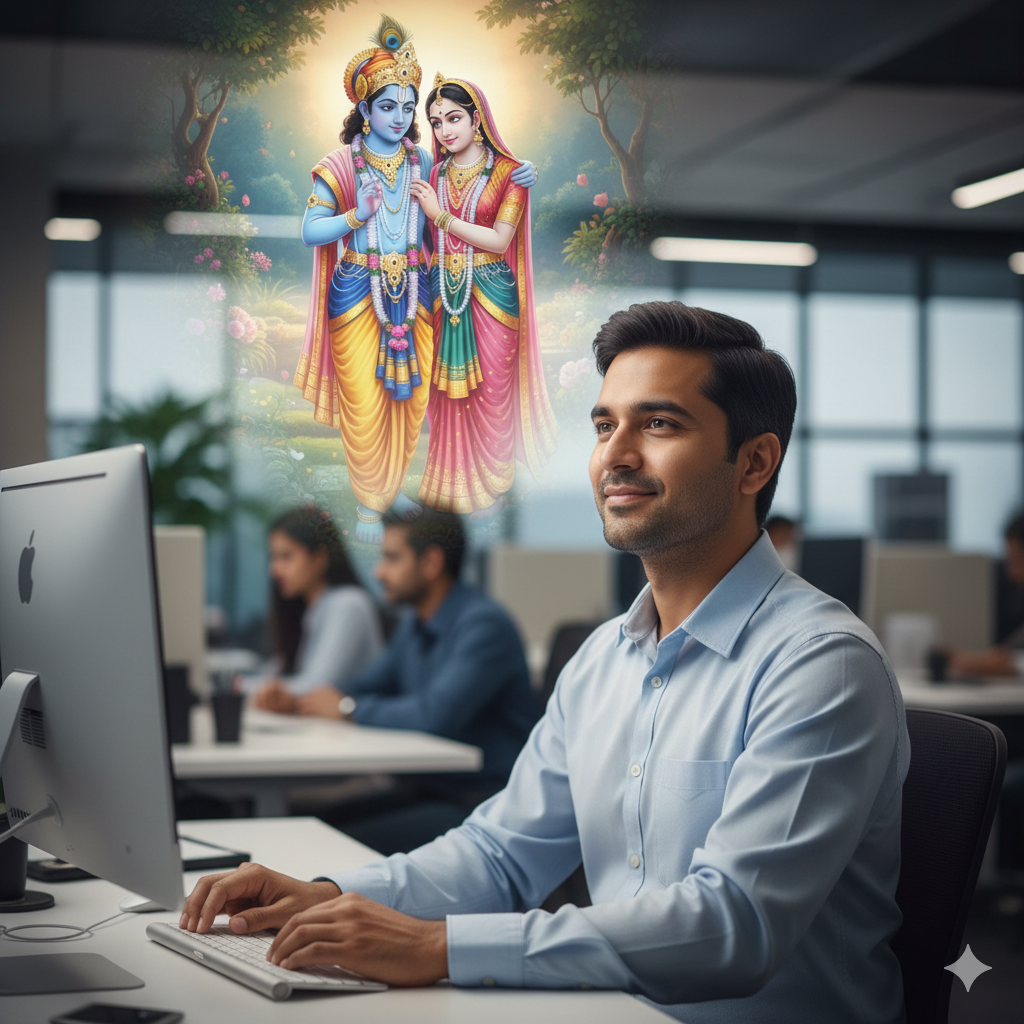
Manomayi Moorti (मनोमयी मूर्ति, manōmayī mūrti) refers to a mental visualization of the form of God. Significance and Practice The Srimad Bhagavatam lists eight types of deities (murtis) suitable for worship. * Shaili (Stone): Sculpted from rock, commonly used in temple garbhagrihas. * Darumayi (Wood): Craved wood, such as

One who has attained the power of bhakti is called a bhakt (भक्त, bhakta). This term is also used more broadly for anyone who intensely adores something or someone, e.g., one who loves money is often referred to as a "bhakt of wealth." Further Reading and
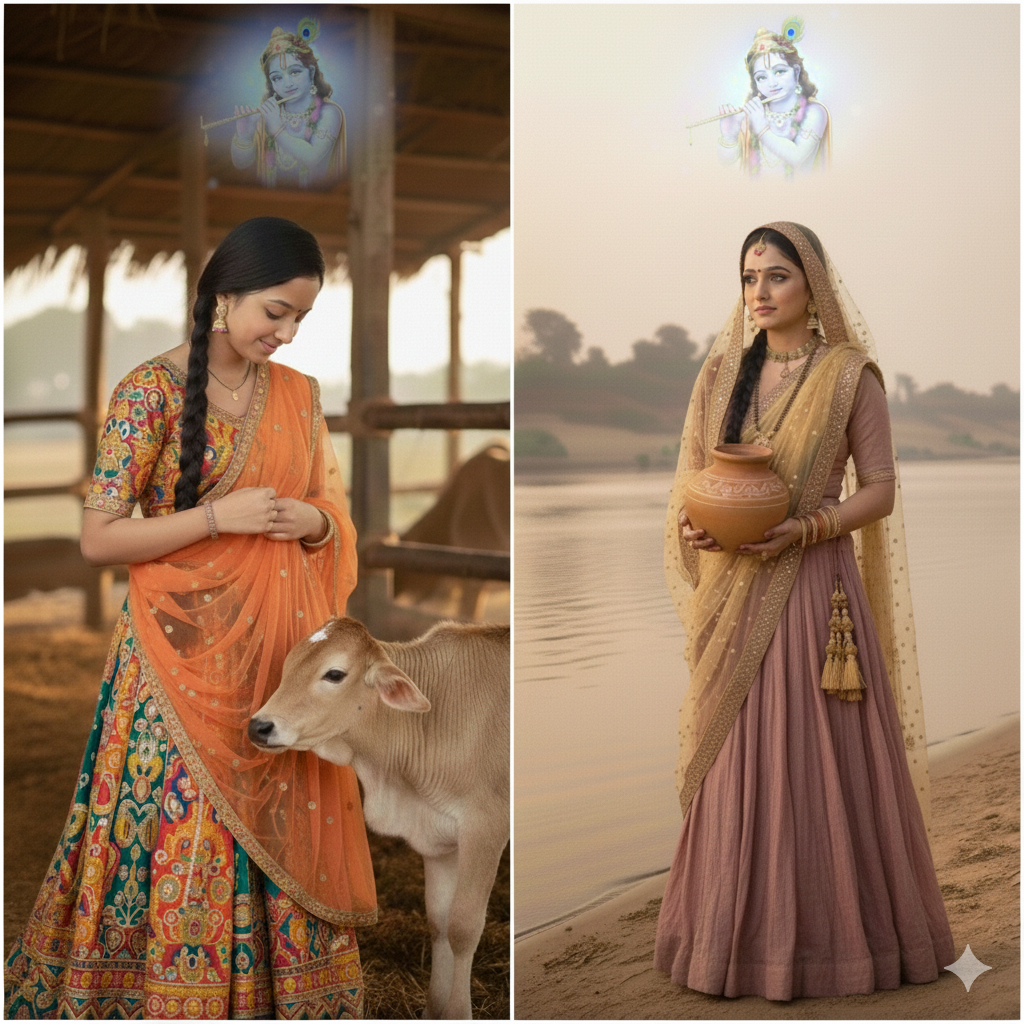
Parakiya Bhava (परकीया भाव, parakīyā bhāva) refers to the devotional sentiment of a married woman who loves Shri Krishna as her beloved, despite being married to another. Svakiya Bhava (स्वकीया भाव, svakīyā bhāva), in contrast, refers to the sentiment of those who are His lawful
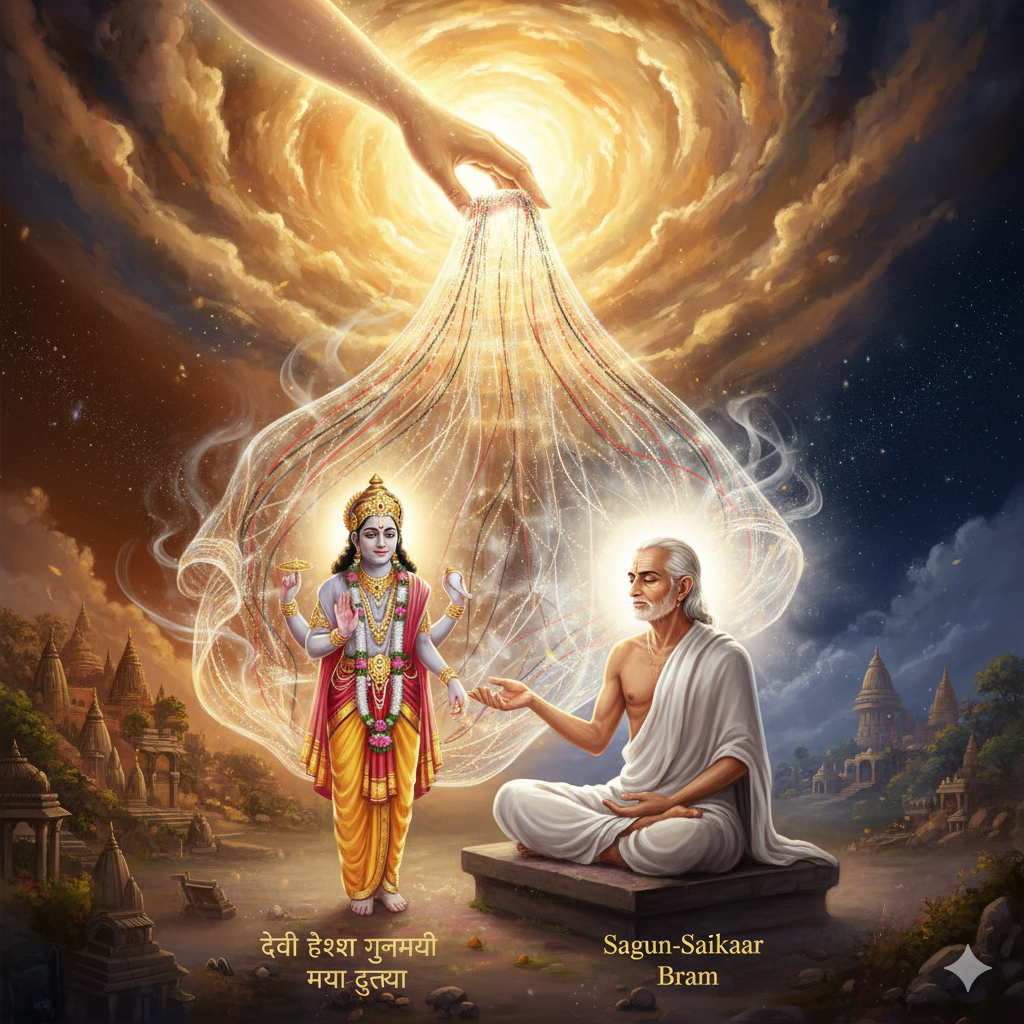
material-world
Self-realization is distinct from God-realization. A gyani (seeker of knowledge) reaches God-realization only after conquering the final hurdle of Sattvaguni Maya (the subtlest illusion). Although the gyānī's ultimate goal is to merge with the impersonal God (Nirakar Brahm), the path demands devotion (bhakti) and the worship of the