The True Independence Day
What is true independence? While nations celebrate political freedom, real liberation is freedom from the slavery of the mind and Maya. Discover the spiritual meaning of freedom.

India’s Independence Day is celebrated on August 15. On this day in 1947, India became an independent nation, freed from British colonial rule of over 200 years. This day is celebrated as a national holiday with great patriotic fervor.
The struggle for India's independence began in 1857 in the small town of Meerut with a section of Indian troops staging a mutiny. Later, in the 20th century, the Indian National Congress and other political organizations, under the leadership ofMahatma Gandhi, launched a countrywide movement. India gained its independent status at midnight on August 15, 1947, marking the start of a new era of growth for free India.
Every year, the Tricolor Flag is hoisted in all government buildings, schools, and public offices, accompanied by cultural programs and feasts. Similarly, several countries across the globe celebrate their own Independence Days with joy.
The Illusion of Freedom
While the country may have gained political independence, if we were to deeply contemplate the question, "Have we really achieved independence from suffering?" our mind would answer, "No."
This is because the slavery that plagues us is not from external oppression, but from our own mind.
In fact, no one in the entire material universe is truly free. We, the material beings, are slaves of our own desires, time, and actions (Karma). Although we arrogantly say, "I have never bowed my head in front of anyone," or "I am not a slave to anyone," the fact remains that we become slaves to anger, passion, and greed hundreds of times in a single day.
The State of the Saints
The liberated ones—the God-realized Saints—also say that they are independent and slaves to no one. In one sense, this is true, as they are not slaves to material desires or Maya. However, they are also not "independent" in the absolute sense. They are fully surrendered, loyal servants of God. Every action of theirs is inspired by God and done with the sole purpose of pleasing Him.
The Supreme Paradox: Is God Independent?
It would then appear that God is the only one who can claim to be "Independent." Rightly so, because He is the originator of all things and the controller of all existence.
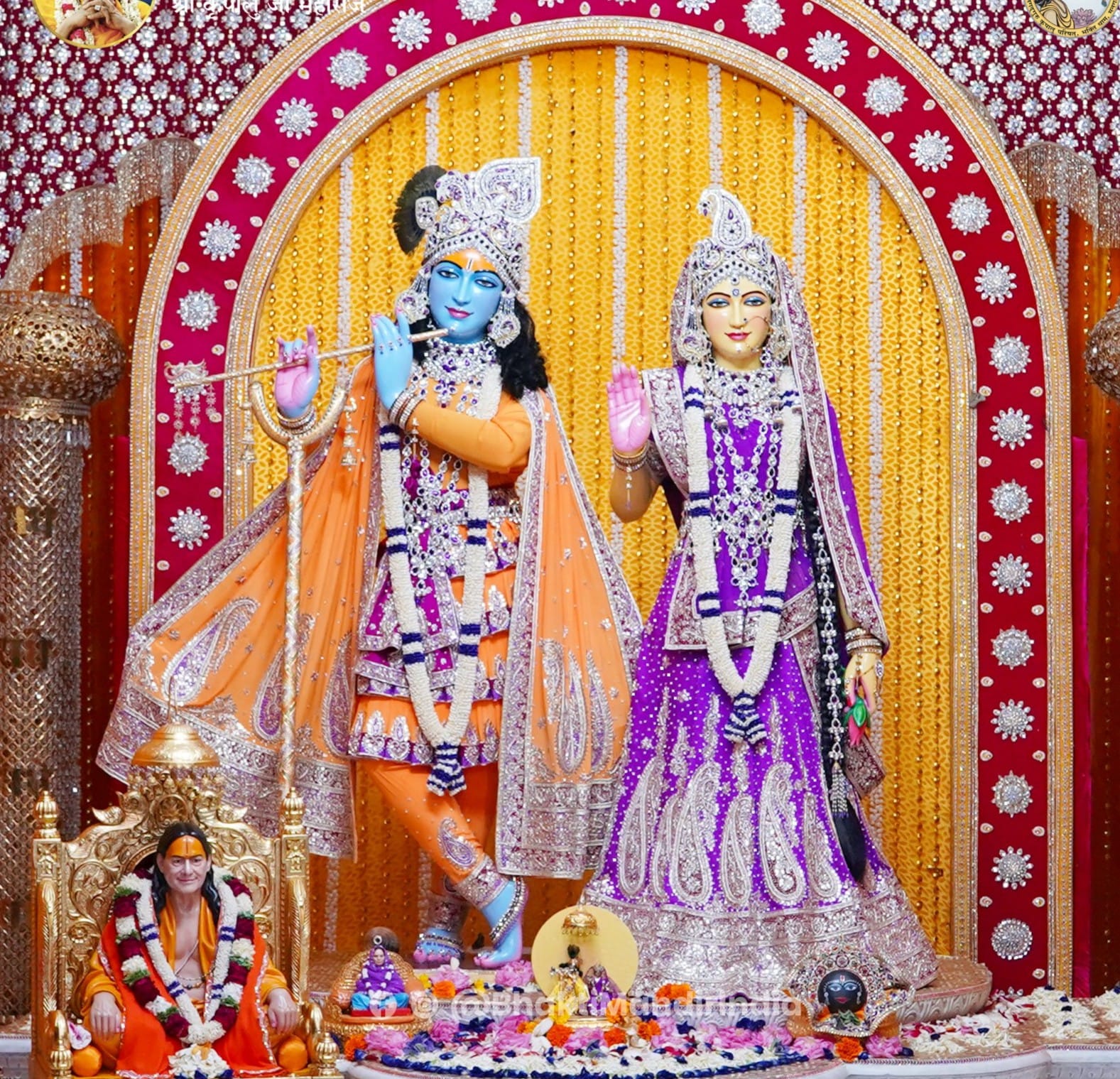
However, a profound secret is revealed in theShrimad Bhagavatam. God Himself declares that He is not independent!
अहं भक्तपराधीनो ह्यस्वतंत्र इव द्विज । साधुभिर्ग्रस्त हृदयो भक्तिर्भक्तजनप्रियः ॥ ahaṁ bhaktaparādhīnō hyasvataṁtra iva dvija | sādhubhirgrasta hr̥dayō bhaktirbhaktajanapriyaḥ || (Bhagavatam 9.4.63)
"I am completely under the control of My fully surrendered devotees. Indeed, I am not at all independent. My heart is captivated by My devotees, and I am beloved to them."

He goes even further to describe His humility:
अनुब्रजाम्यहं नित्यं पूयेयेत्यंघ्रिरेणुभिः
anubrajāmyahaṁ nityaṁ pūyēyētyaṁghrirēṇubhiḥ
"I walk behind My devotees, hoping that the dust of their lotus feet may fall upon Me and purify Me."
Conclusion: True Independence
Even though no one is absolutely "free" (as even God is bound by love), the independence referred to in spirituality means "being free from the clutches of Maya."
Every soul is under the influence of either Maya (Illusion) or Mayapati (The Lord of Maya).
- Being under the influence of Maya causes misery and bondage.
- Being under the shelter of the lotus feet of God grants unlimited, ever-increasing divine bliss.
So, the true meaning of independence is to gain freedom from the slavery of the mind and senses and to attain God Realization. This is the only freedom worth striving for.