shakha

Shakha (शाखा, śākhā) literally means "branch."
In the context of Vedic literature, it refers to a specific concept.
Further Reading and Reference
- Related Concepts: Upanishad
- Reference: Who am I? Who is Mine? Vol. 1, Ch. 2

Shakha (शाखा, śākhā) literally means "branch."
In the context of Vedic literature, it refers to a specific concept.

Question Jagadguruttam Shri Kripalu Ji Maharaj often draws a comparison between the nature of God-realized saints and a birch tree. What is the similarity between these two? Answer: The Ramayan says भुर्ज तरु सम संत कृपाला । पर हित सह नित विपति वि

Yajurveda (यजुर्वेद, yajurveda) is one of the four Vedas. It primarily contains the mantras and detailed instructions required to perform Vedic sacrifices and rituals. Further Reading and Reference * Alternate Spelling: Yajur Veda, Yajurved * Related Concepts: Upanishad * Reference: Who am I? Who is Mine? Vol. 1, Ch. 2
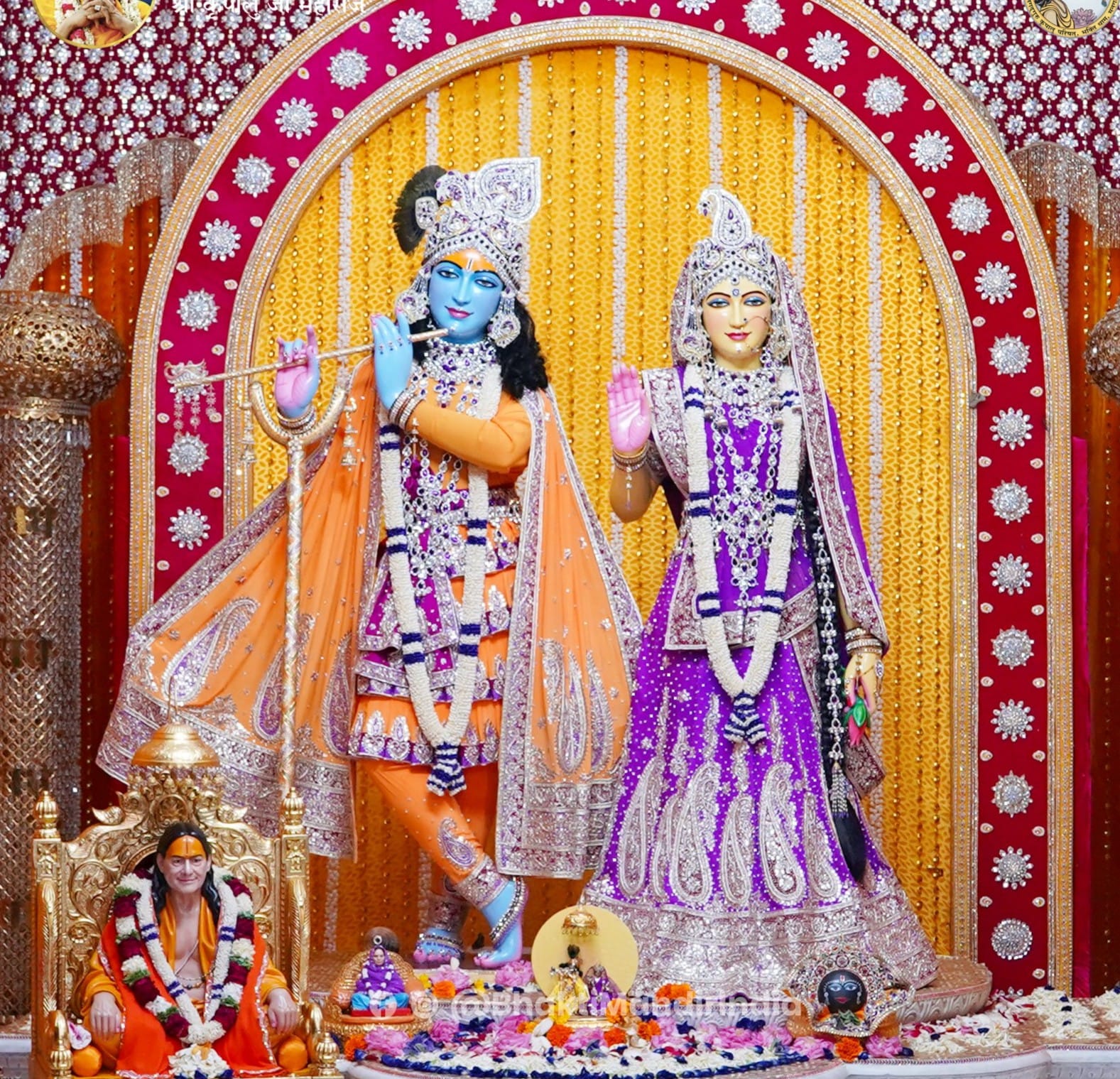
The Murti (मूर्ति) is the divine form for worship. As the true Murti is God's form, the consecrated idol helps the mind achieve God-realization via Rupdhyana.

Akshaypatra (अक्षयपात्र, akṣayapātra) refers to the inexhaustible vessel or divine bowl. The term is derived from Akshaya (un-decaying/inexhaustible) and Patra (vessel). In the Mahabharata, this vessel was gifted by the Sun God (Surya) to the Pandavas during their exile. It provided an unlimited supply of food