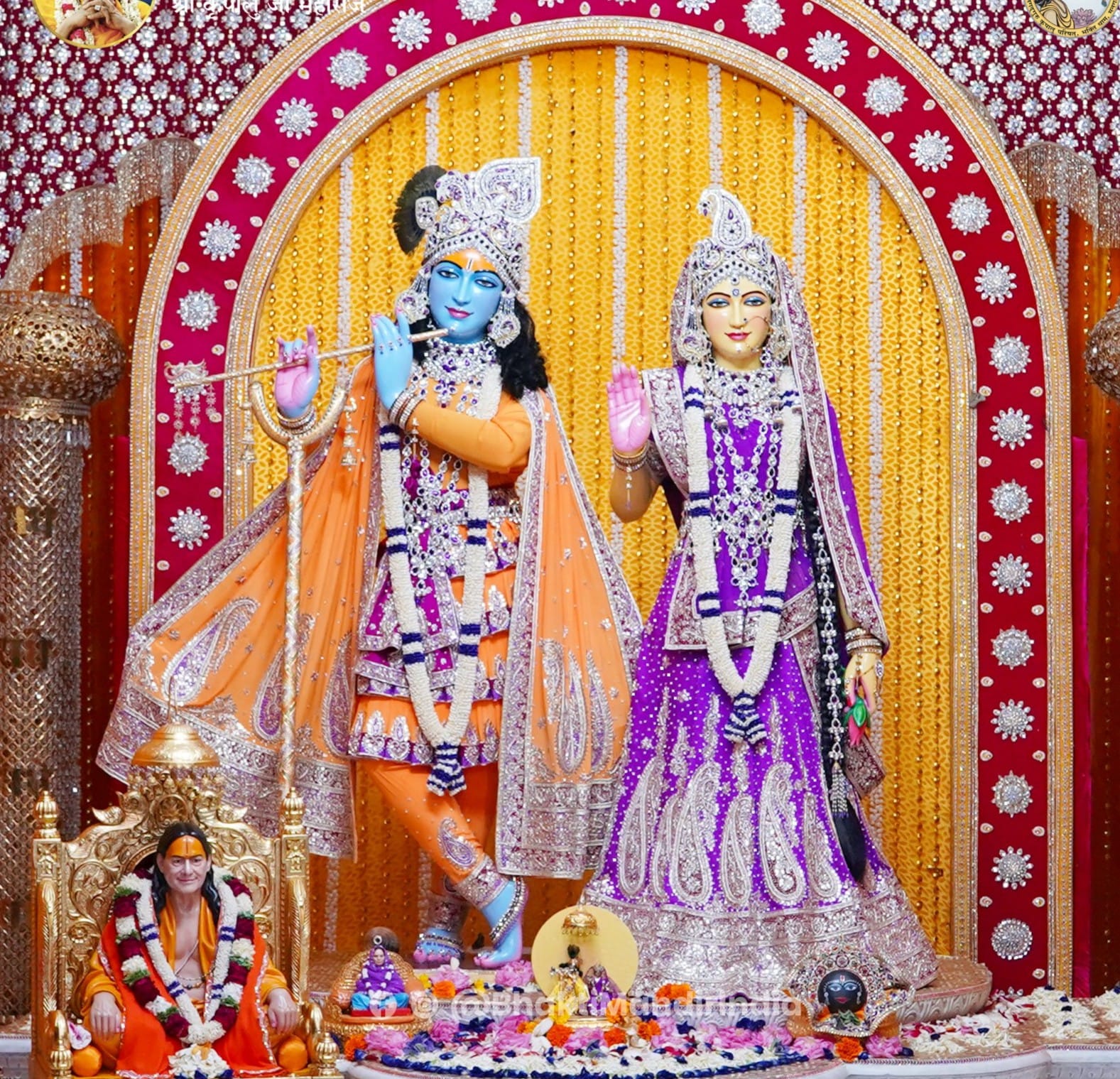
Manomayi Moorti
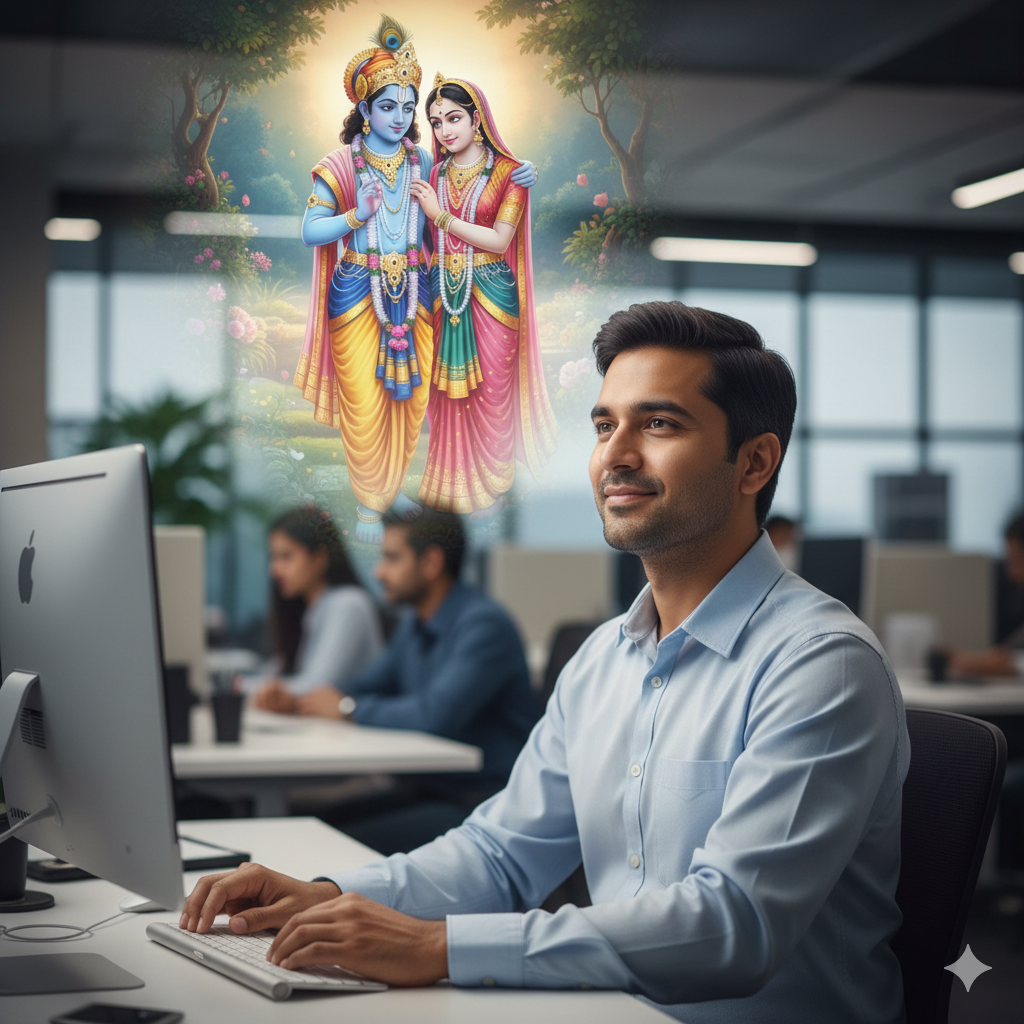
Manomayi Moorti (मनोमयी मूर्ति, manōmayī mūrti) refers to a mental visualization of the form of God.
Significance and Practice The Srimad Bhagavatam lists eight types of deities (murtis) suitable for worship.
- Shaili (Stone): Sculpted from rock, commonly used in temple garbhagrihas.
- Darumayi (Wood): Craved wood, such as the idols in the Jagannath Temple.
- Lauhi (Metal): Metals like gold, silver, copper, or bronze casted into the shape of Dieties.
- Lekhya (Engraved/Painted): A portrait, painting.
- Lepya (Drawn or painted on ground): Formed from molded soil, clay, or hardened paste, made temporarily for festivals like the ones worshipped in Diwali, Ganesh Chaturthi and Durga pooja.
- Saikati (Sand): Created from sand, like Shri Ram created the Shivling in Rameshwaram from sand on the banks of the sea before building the bridge.
- Manimayi (Gems): Fashioned from precious stones or gems, such as a crystal or diamond murti.
- Manomayi (Mental): A form of worship where the murti is imagined or envisioned in the mind, often used during deep meditation.
Among these, Shri Maharaj Ji specifically advocates the practice of Manasi Murti.
Since the essence of devotion is attaching the mind to God, this practice is considered superior. When the mind is engaged in visualizing this divine form, it is prevented from wandering aimlessly in worldly matters. Therefore, worshipping this mental form is considered the fastest path to God-realization.
Shri Maharaj Ji also advocates worshipping this mental moorti. For more details on this see Roopdhyan—Devotional Remembrace.
Further Reading and Reference
- Alternate Spelling: Manasi murti
- Related Concepts: Is Worship of Idols Right?, Sadhana—Daily Devotion
- Reference: Practise Powerful Meditation, Ch. 2