How Bhakt and Gyani Forsake the World Differently
Question
Atmagyani is not attracted by sensory objects of the world and a bhakt is also not attracted by sensory objects of the world. Is vairagya of an atmagyani different from the vairagya of a bhakt?
Answer
A gyani is an aspirant who pursues the path of gyan. A gyani does not believe in the Sakar Brahm and His avatars. So, he worships the Nirakar Brahm and harbor the desire to unite and merge into Him. Our scriptures tell us:
निर्विण्णानां ज्ञानयोगः
nirviṇṇānāṁ jñānayōgaḥ
"The path of gyan is meant for the entirely renounced souls".
To be able to totally renounce all the attractions of the material world, there are four prerequisite conditions. When one meets these four conditions, the aspirant’s state is referred to as sadhan-chatushtay-sampann. Thereafter, the aspirant has to master eight more levels of detachment, each level higher in difficulty than the previous one.
In spite of such arduous labor there is no guarantee for a gyani to reach their objective - moksha - as the path of knowledge is so difficult and full of hardships that a gyani stumbles many times before he reaches the destination. The Srimad Bhagavata Mahapuran says:
येऽन्येरविन्दाक्ष विमुक्तमानिनस्त्वय्यस्तभावादविशुद्ध बुद्धयः ।आरुह्यकृच्छ्रेण परं पदं ततः पतन्त्यधो नादृतयुष्मदंघ्र्यः॥
भाग. १०.२.३३
ye'nyeravindākṣa vimuktamāninastvayyastabhāvādaviśuddha buddhayaḥ ।āruhyakr̥cchreṇa paraṁ padaṁ tataḥ patantyadho nādr̥tayuṣmadaṁghryaḥ॥
bhāga. 10.2.33
"Before reaching the top, the gyani attempting to climb the challenging mountain of knowledge, falls repeatedly, as this path is incredibly difficult".
मनुष्याणां सहस्त्रेषु कश्चिद्यतति सिद्धये । यततामपि सिद्धानां कश्चिन्मां वेत्ति तत्त्वतः
गीता ७.३
manuṣyāṇāṁ sahastrēṣu kaścidyatati siddhayē । yatatāmapi siddhānāṁ kaścinmāṁ vētti tattvataḥ
gītā 7.3
"There are only few, who dare treading on this arduous path. Among those who venture on this path only one in thousands is able to attain Me". So only those who want to undergo such immense hardship, for thousands of lives, dare to follow this path.
Lord Krishna says in the Gita -
बहूनां जन्मनामन्ते ज्ञानवान मां प्रपद्यते। वासुदेवः सर्वमिति स महात्मा सुदुर्लभः॥
गीता 7.19
bahūnāṁ janmanāmantē jñānavāna māṁ prapadyatē। vāsudēvaḥ sarvamiti sa mahātmā sudurlabhaḥ॥
gītā 7.19
"After practicing for many lifetimes those who surrender to Me are very fortunate".
As compared to path of gyan, path of bhakti is extremely easy. The Bhakti Rasamrit Sindhu, says:
नातिसक्तो न वैराग्यभागस्यामधिकार्यसौ॥ भ. र.सिं.
nātisaktō na vairāgyabhāgasyāmadhikāryasau॥ bha. ra.siṁ.
"Everyone is eligible to follow the path of devotion. There are no conditions on whether one must be completely detached or attached to the world".
शास्त्रतः श्रूयते भक्तौ नृमात्रस्याधिकारिता॥ भ. र.सिं.
śāstrataḥ śrūyatē bhaktau nr̥mātrasyādhikāritā॥ bha. ra.siṁ.
Gyan Marg can only be followed by the intellectuals, while the path of bhakti could be followed even by child devotees like Dhruv and Prahlad etc.
Difference between gyani and bhakt
Let us use a metaphor to illustrate the difference between the vairagya of gyani versus that of a bhakt.
The gyani has to use his own mental strength to renounce all worldly attractions and performs bhakti of Nirakar Brahm. That is why the gyani repeatedly falls off the path.
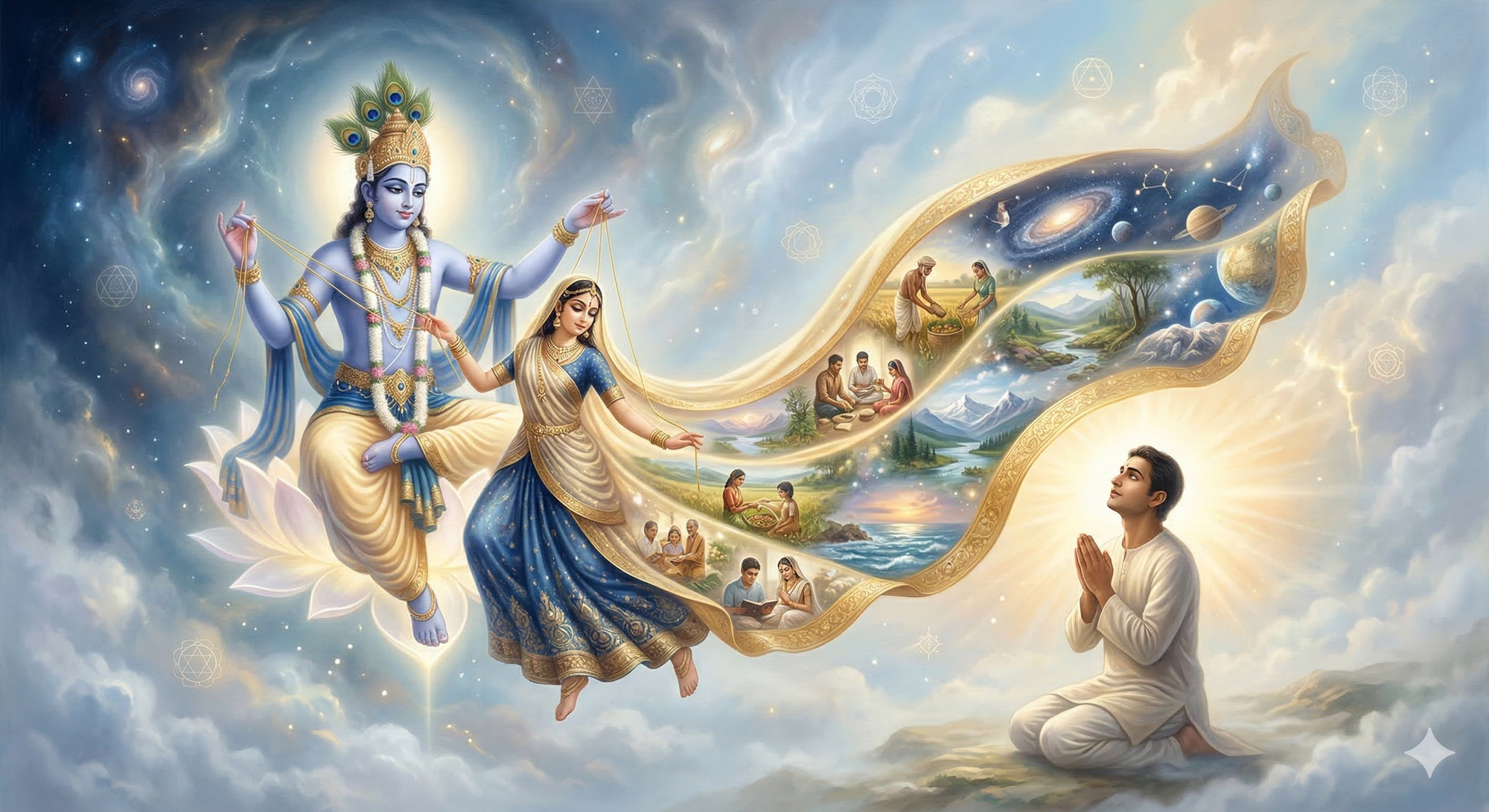
Those who worship Bhagavan the Sakar Brahm, are called bhakt. A devotee depends only on the grace of God. He seeks refuge in the lotus feet of God alone and treads on the path. Therefore, God supports and protects him at every step. Shrimad Bhagwatam says -
तथा न ते माधव तावकाः क्वचिद् भ्रश्यंति मार्गात् त्वयि बद्धसौहृदाः।
tathā na tē mādhava tāvakāḥ kvacid bhraśyaṁti mārgāt tvayi baddhasauhr̥dāḥ।
"God Himself protects the devotees. That’s why they tread on the path fearlessly".
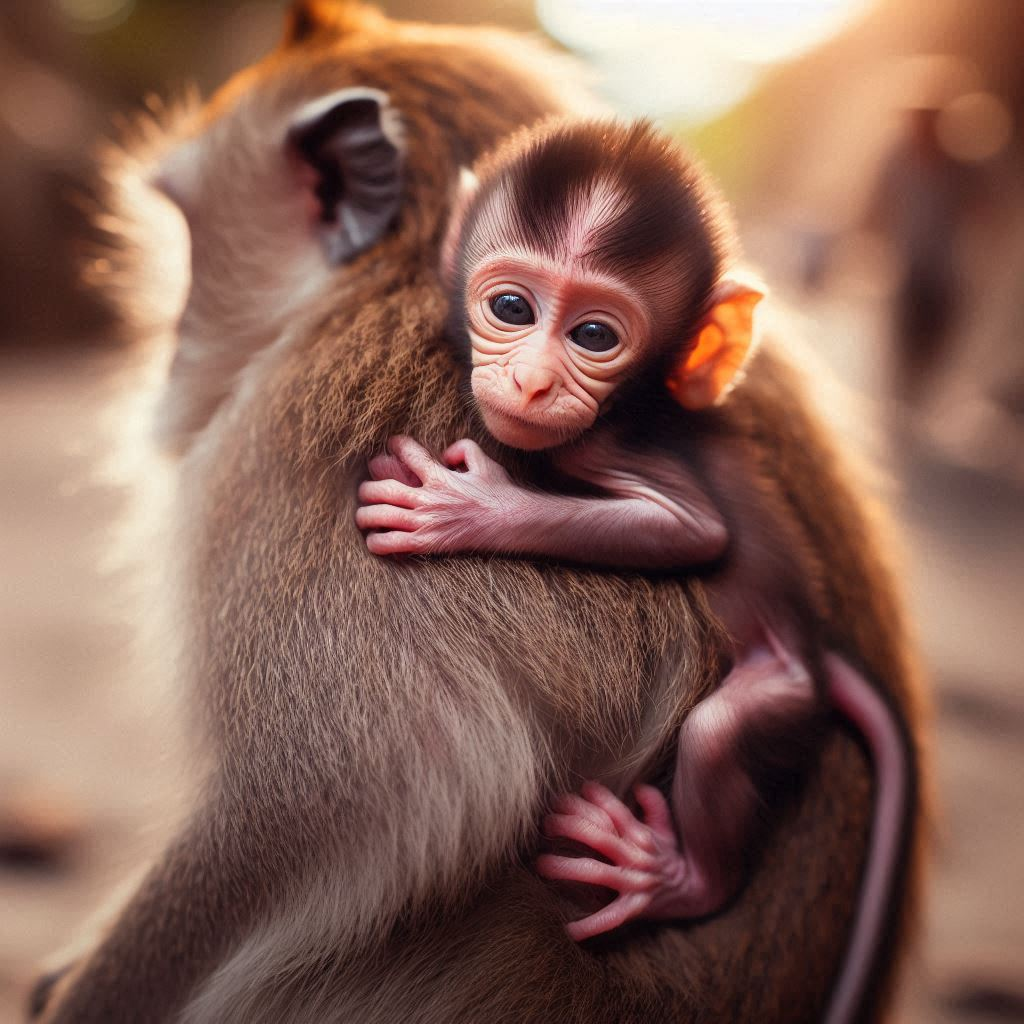

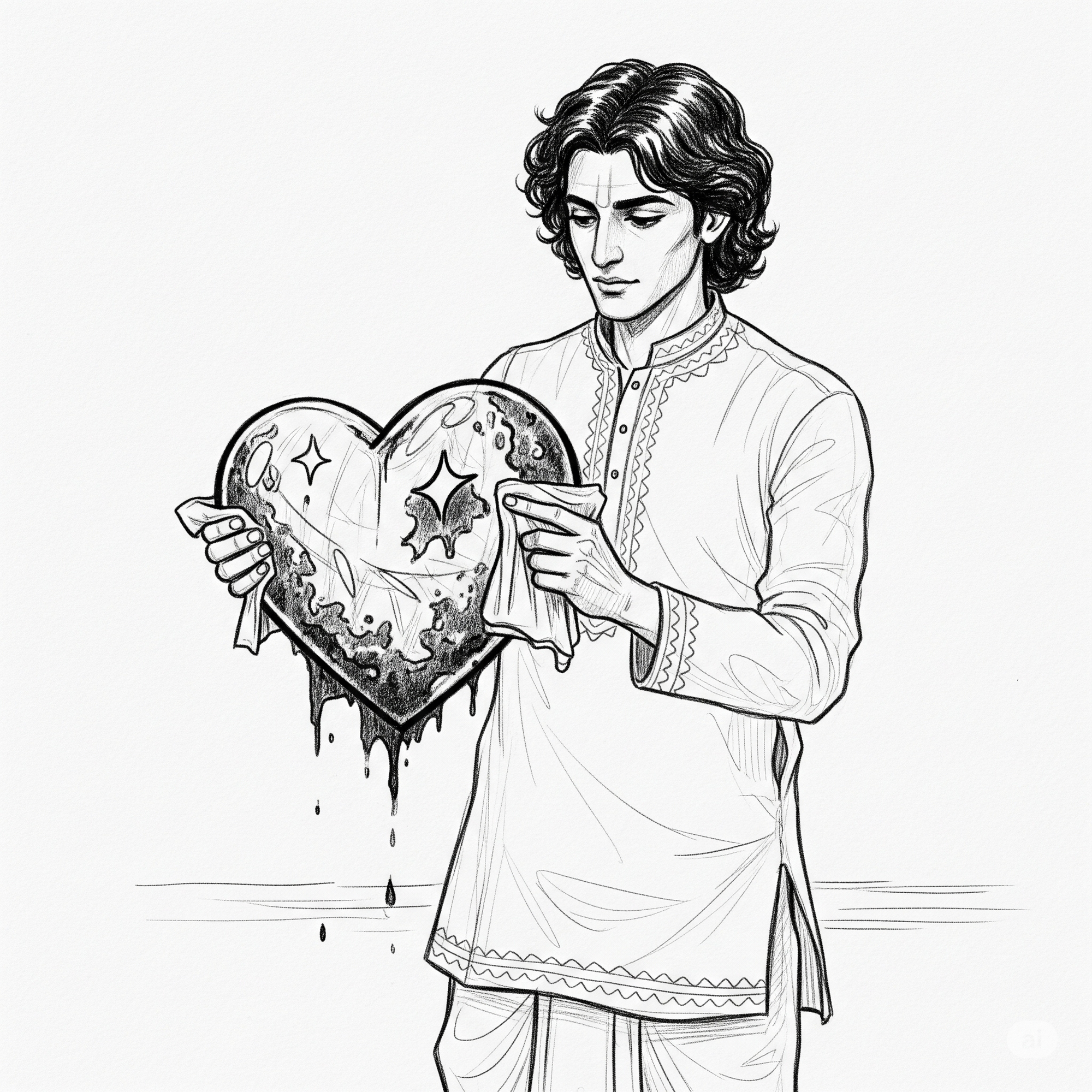
The baby monkey holds its mother. Whereas the cat holds its own kitten.
A gyani’s situation could be compared to that of a baby monkey which has to hold on to its mother. Since the baby is weak, it tends to fall and get hurt when the mother monkey vanari (Devanagari: वानरी ISO15919: vānarī) jumps from branch to branch.
Whereas a bhakt’s situation can be compared to that of a kitten.
The mother cat marjari (Devanagari: मारजारी ISO15919: mārajārī) herself holds on to the kitten in her mouth. The mother is more capable and she protects her child from falling and getting hurt.
The cat is also a material being so sometimes the kitten falls and gets hurt. But all-capable God is not fallible like a cat, so He really supports His devotees. So, His devotee cannot fall.
Proceeding towards the goal
Merely gaining knowledge and becoming a renunciate are not sufficient to cleanse the mind. The gyani is able to cross the rajas guna and tamas guna of Maya but the sattava guna still prevails. Sattava guna gives rise to the atma-gyan.
Gyani's ultimate goal is brahm-gyan which is beyond atma-gyan. Gyani can go across the ocean of Maya and attain moksha, by practicing devotion to Shri Krishna.
ये द्वन्द मोह विनीर्मुक्ता भजम्ते मां दृढ़व्रताः ॥
yē dvanda mōha vinīrmuktā bhajamtē māṁ dr̥ṛhvratāḥ ॥
शुद्धयति हि नान्तरात्मा कृष्णपदाम्भोजभक्तिमृते ॥ शंकराचार्य
śuddhayati hi nāntarātmā kr̥ṣṇapadāmbhōjabhaktimr̥tē ॥śaṁkarācārya
"Without worshipping Shri Krishna, one's mind cannot be totally purified". Thus, it is obvious that moksha cannot be attained without performing devotion to Shri Krishna.
मोक्ष साधन सामग्र्यां भक्तिरेव गरीयसी ।
mōkṣa sādhana sāmagryāṁ bhaktirēva garīyasī ।
"Amongst all the methods that lead to moksha, bhakti is supreme moreover, it is indispensable."
Since the bhakt performs devotion to the Sakar Brahm, God graces and supports the aspirant as they progress on the path of bhakti. So, a bhakt does not need to perform arduous tasks before commencing the practice of bhakti. A bhakt sincerely does sadhana bhakti under the guidance of a rasik saint.
Although the gyani and the bhakt, both strive to achieve total detachment (vairagya), there is a huge difference in the practices they undertake to detach their mind from material attractions.
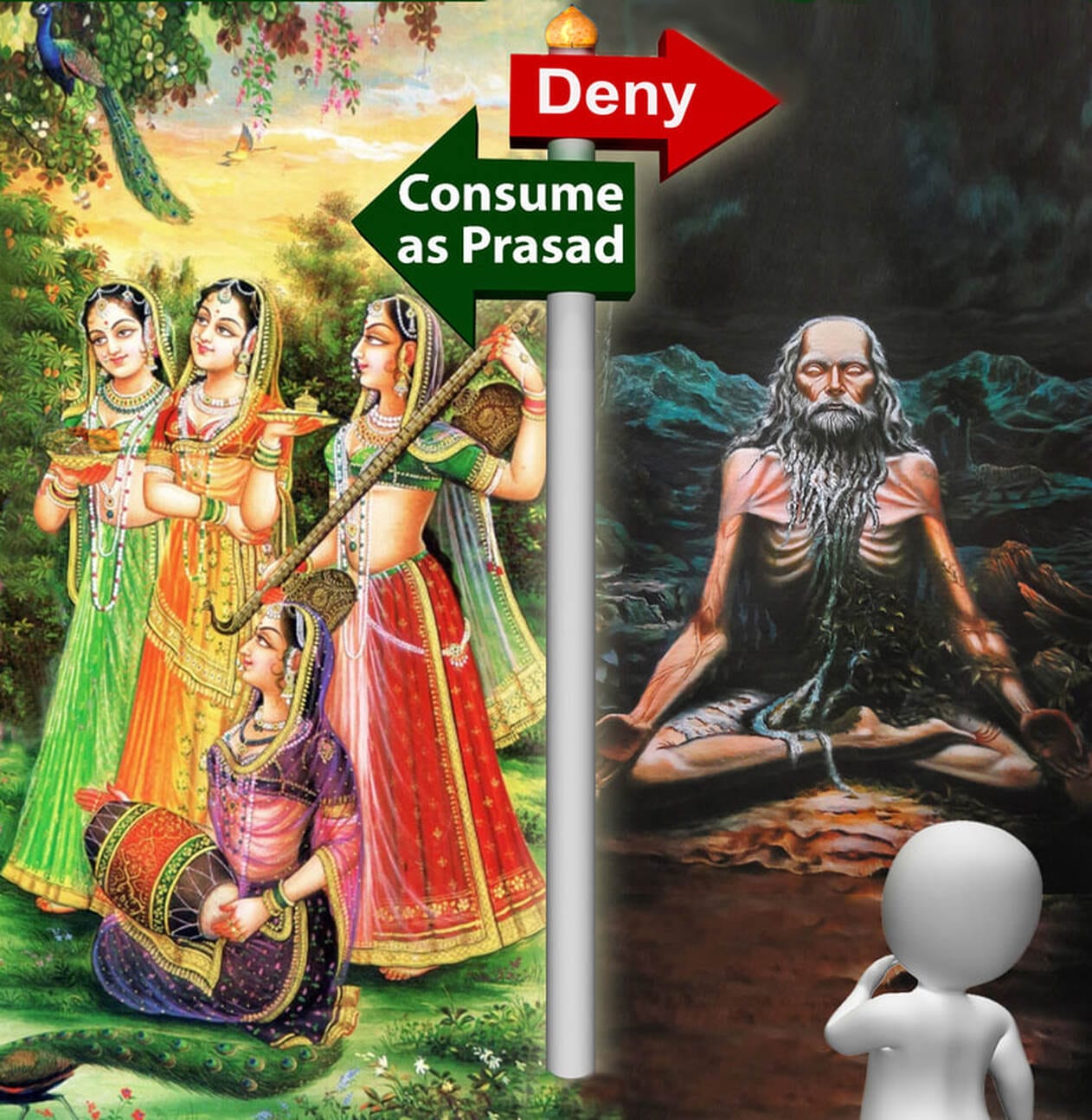
Gyani pursues nivritti marg (Devanagari: निवृत्ति मार्ग ISO15919: nivr̥tti mārga). It develops vairagya by renouncing everything.
Bhakt follows pravritti marg (Devanagari: प्रवृत्ति मार्ग ISO15919: pravr̥tti mārga). This means bhakt develops vairagya by accepting everything which belongs to God.
The gyani takes up the path of renouncing and the devotee takes the path of accepting everything from God.
A bhakt does not practice renunciation (निवृत्ति) by relinquishing the needs of the body and mind. Instead they divert the direction of their desires. For instance, for many it is difficult to control the desire for good food. Hence, the rasik saint of bhakti marg would instruct, "Don’t waste your time in trying to give up this desire as it is not possible to give up your desires before God realization. You cook even more delicious food to offer to your deity". Thus, when the devotee cooks to offer bhog to God, the devotee spends time and money for God. After offering it to God, the devotee eats the same as His prasad (left over divine food). So, although it may appear that the devotee is enjoying delicious food, yet their mind is attached to God with loving devotional sentiments of eating the prasad of their Ishtadev.
In this way, the devotee still cooks delicious food, wears ornate jewelry and beautiful clothes (प्रवृत्ति) but instead of pleasing themselves, they do this with the sole objective of pleasing Shri Krishna.
Uddhava, a childhood friend of Shri Krishna, was the foremost gyani of Dvapar Yug. After meeting gopis he renounced gyan marg to become an ardent bhakt. Then he challenged Shri Krishna and said,
त्वयोपभुक्त्तसृग्गंघवासोलड्कारचर्चिताः । उच्छिष्टभोजिनोदासास्तव मायां जयेमहि ॥ भाग १.६.४६ tvayōpabhukttasr̥ggaṁghavāsōlaḍkāracarcitāḥ । ucchiṣṭabhōjinōdāsāstava māyāṁ jayēmahi ॥ bhāga 1.6.46
"I will wear fragrant garlands, beautiful silken clothes and shiny ornaments worn by you and eat your leftover sumptuous food. I throw a challenge to You that while doing so, I’ll win over your all-powerful Maya".
In other words, Uddhav would use the best of what Maya has created after offering it to Shri Krishna. Thus, his mind would constantly be engaged in God and his body would be engaged in worldly activities. According to the divine law, unless the mind derives pleasure (or misery) from the action there is no fruit of that action.
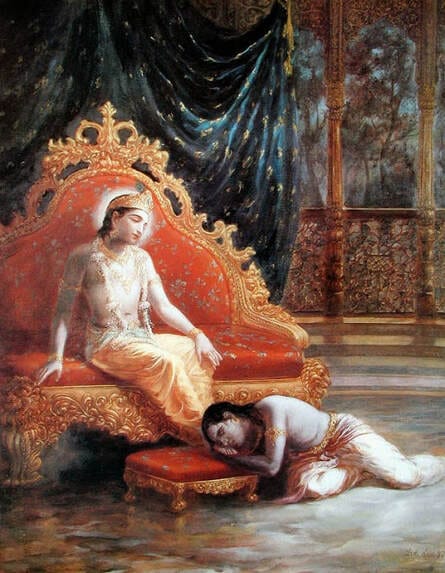
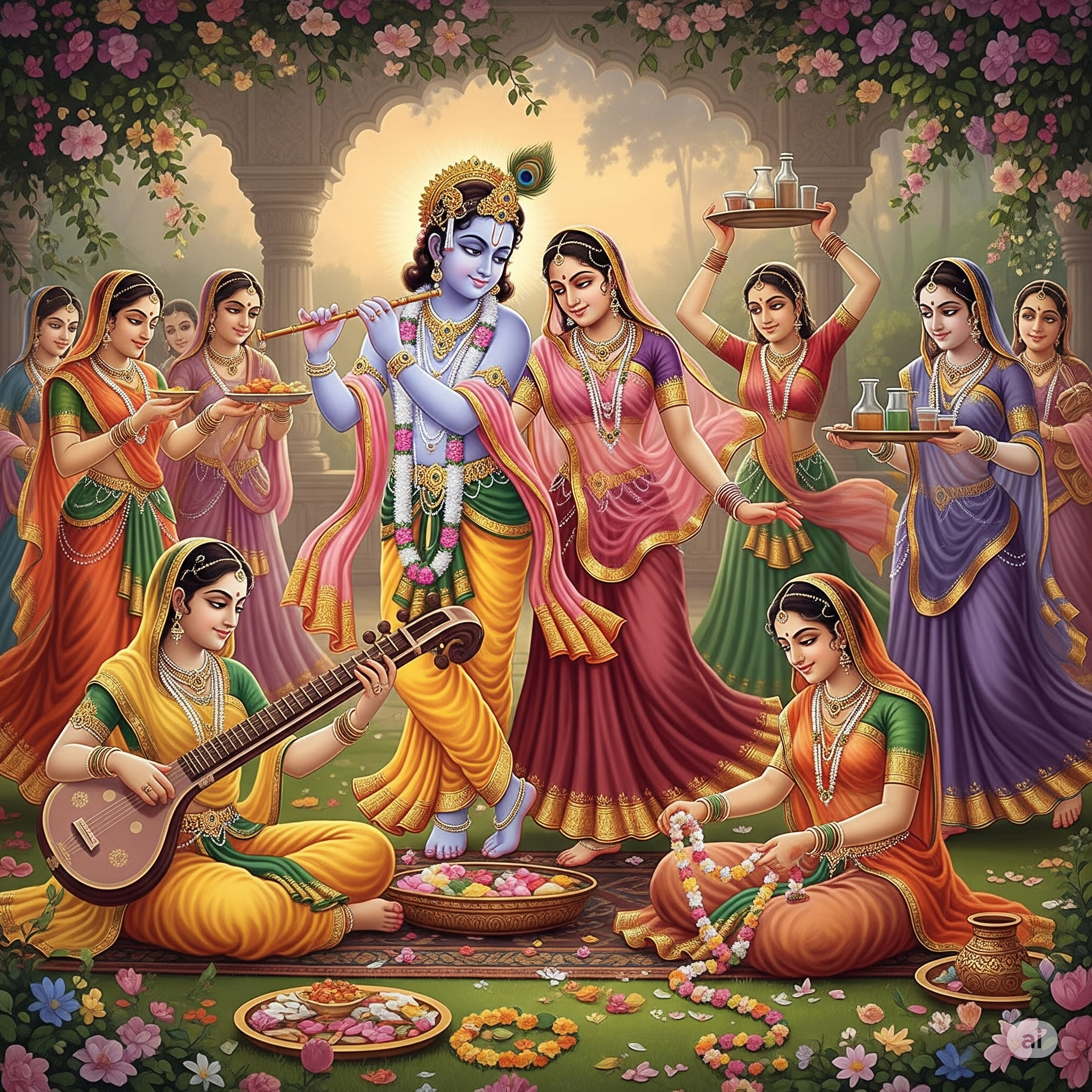
Gopis are the highest class of bhakt. Srimad Bhagavata Mahapuran explains the mindset and behavior of these gopis as
या दोहने वहनने मथनोपलेप प्रेंखेंखनार्भ रुदितो क्षणमार्जनादौ ।गायन्ति चैनमनुरक्तधियोश्रुकंठ्यो, धन्या ब्रजस्त्रिय उरुक्रम चित्तायानाः ।
भा १०.४४.१५
yā dōhanē vahananē mathanōpalēpa prēṁkhēṁkhanārbha ruditō kṣaṇamārjanādau ।gāyanti cainamanuraktadhiyōśrukaṁṭhyō, dhanyā brajastriya urukrama cittāyānāḥ ।
bhā 10.44.15
"The gopis constantly think about Shri Krishna while performing all household chores; milking the cows, churning yogurt to make butter, cleaning their house, loving their children, etc. While performing their duties around the house, tears of love flowed from their eyes and all the time they kept chanting His glories".
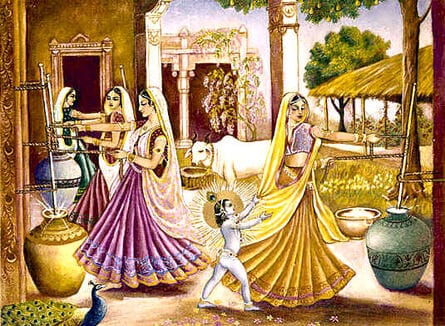
In other words, their mind was constantly engrossed in Shri Krishna as they performed their household chores.
In order to please Shri Krishna, these gopis would dress up in fine clothes and beautiful accessories. As Lord Krishna says:
निजाङ्गमपि या गोप्यो ममेति समुपासते । ताभ्यः परं न मे पार्थ निगूढ़प्रेमभाजनम् ।
आदि पु.
nijāṅgamapi yā gōpyō mamēti samupāsatē । tābhyaḥ paraṁ na mē pārtha nigūṛhprēmabhājanam ।
ādi pu.
"O Parth! None in the universe, other than the gopis, are more deserving of My esoteric love. They even adorn themselves only to please Me".
All these examples illustrate that the bhakt do not forcibly relinquish the worldly attachments. Their mind is so absorbed in the love of God that the worldly desires don't germinate in their minds. So, in bhakti instead of trying to renounce the world, the devotee loves God and proceeds towards Him, thereby naturally moving away from the material world.
In other words, the detachment of devotees is natural (सहज) and gradual. While the detachment of a gyani is forced. Moreover, the gyani has to have no attraction to the material world before the commencement of practice of gyan-marg. While the detachment of the devotees gradually increases with the progress of bhakti.
Some of you might be wondering why is God partial towards the devotees? Lord Krishna answers in the Gita
ये यथा मां प्रपद्यन्ते तांस्तथैव भजाम्यहम्
yē yathā māṁ prapadyantē tāṁstathaiva bhajāmyaham
"I reciprocate the feelings and intensity of love of My devotees”.
God is not partial. He grants what the aspirant wishes for. He willfully bestows mukti to gyani and bhakti to the bhakt.
LEARN MORE