Everyone is Eligible to do Bhakti
Since childhood we have heard of many spiritual paths—karma, gyan, and bhakti. But an important question arises: are these paths truly meant for everyone? Or are they reserved only for select souls—like scholars, ascetics, or Brahmins?
If God is really the eternal Father of all beings, His path must be universal, available to every soul without exception. But when we put each path to the test of universality, a surprising truth emerges.
👉 Only one path—Bhakti—embraces all, without discrimination or disqualification.
The Mind – Cause of Bondage and Liberation
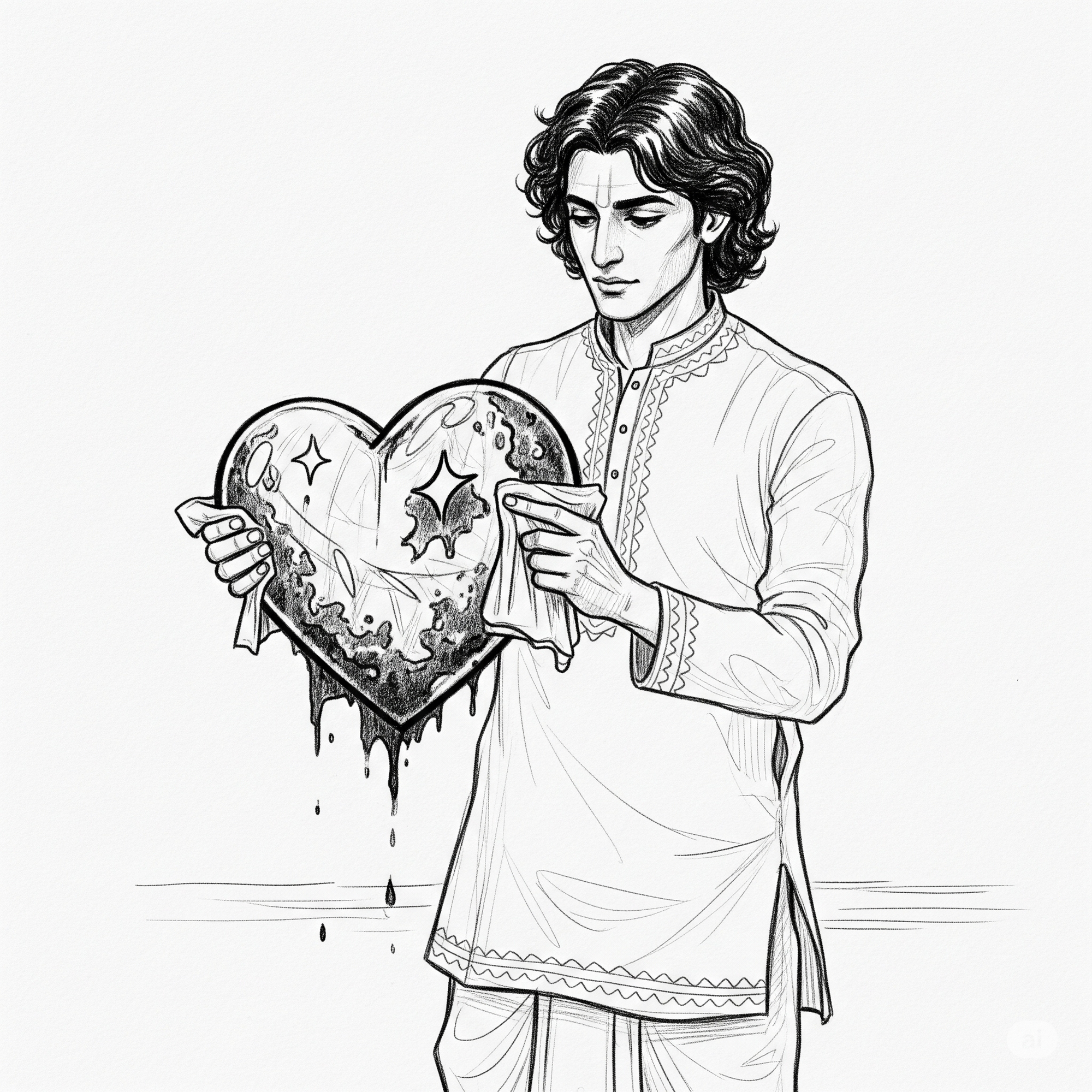
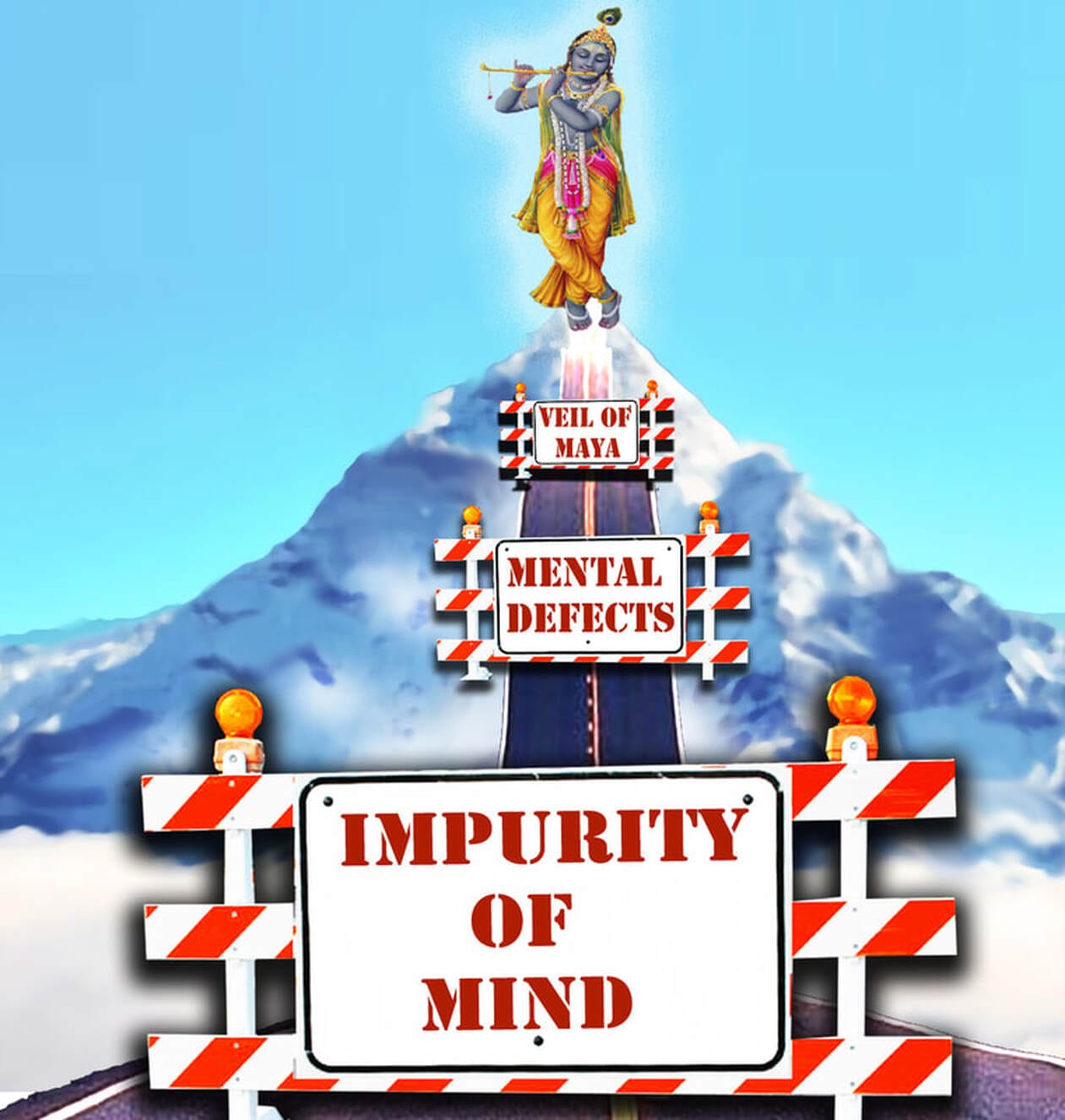
Since eternity, the human mind has been chasing the material world in search of bliss. Instead of finding peace, it has become increasingly impure. The scriptures tell us that purification of the mind is the only way to attain true bliss.
In our earlier discussions, we examined three litmus tests for identifying the right path to purification:
- Anvaya is Test of essentiality. This means by this expedient the goal can be attained.
- Vyatireka is Test of indispensability. This means the goal cannot be without this expedient.
- Anya-Nirapekshata is Test of independence. This means this expedient does not need any support from any other other expedient.
Through scriptural evidence and saintly wisdom, we saw that karma (ritualistic action) and gyan (knowledge) fail these tests, while bhakti alone satisfies them.
In this article, we turn to the fourth test—Universality or sarvatrakita (Devanagari: सार्वत्रिकता ISO15919: sārvatrikatā):
👉 Is the path easy and available for everyone, without discrimination or disqualification?
Why Karma Fails the Test
The karmakanda is governed by the ritualistic worship of devi-devatas in svarg. But the rules of karmakanda are so rigid that universality is impossible.
- To even understand the laws of karma requires deep Vedic knowledge.
- To execute them flawlessly is nearly impossible, especially in Kaliyuga.
- Many rituals are forbidden to women and non-Brahmins, immediately excluding a large section of society.
Moreover, the deities themselves are under the bondage of Maya. Just as a servant in a wealthy household must follow strict rules to serve the master, those performing karmakanda must observe six extremely strict conditions. A single violation—even the slightest—angers the deity and results in severe punishment for the host.
If such rituals were difficult in earlier yugas, in Kaliyuga they are practically impossible. Clearly, karma cannot be universal.
Why Gyan Fails the Test
The path of gyan (knowledge) is even more restrictive.
The scriptures declare:
“It is difficult to speak of gyan, more difficult to understand, and even rarer to practice.”
Before stepping on this path, one must achieve Sadhan-Chatushtaya—the fourfold discipline:
- Deep discrimination between real and unreal
- An intense longing for mukti
- Detachment from the world
- Control of the mind and senses
Only then can one attempt the meditation and contemplation required to realize Brahman.
To illustrate, consider the example of King Janak. His Guru, Yagyavalkya, once tested his disciples by setting fire to their huts. All the students abandoned the class to save their possessions. But when Yagyavalkya set fire to Janakpuri, even as palaces and queens burned, Janak remained unmoved, focused only on Brahm-Gyan.
👉 That level of detachment is the entry requirement for gyan. How many today can meet it? Even in Satya Yuga such souls were rare; in Kaliyuga, they are virtually nonexistent.
Thus, gyan too is not universal.
Why Bhakti Alone Passes the Test
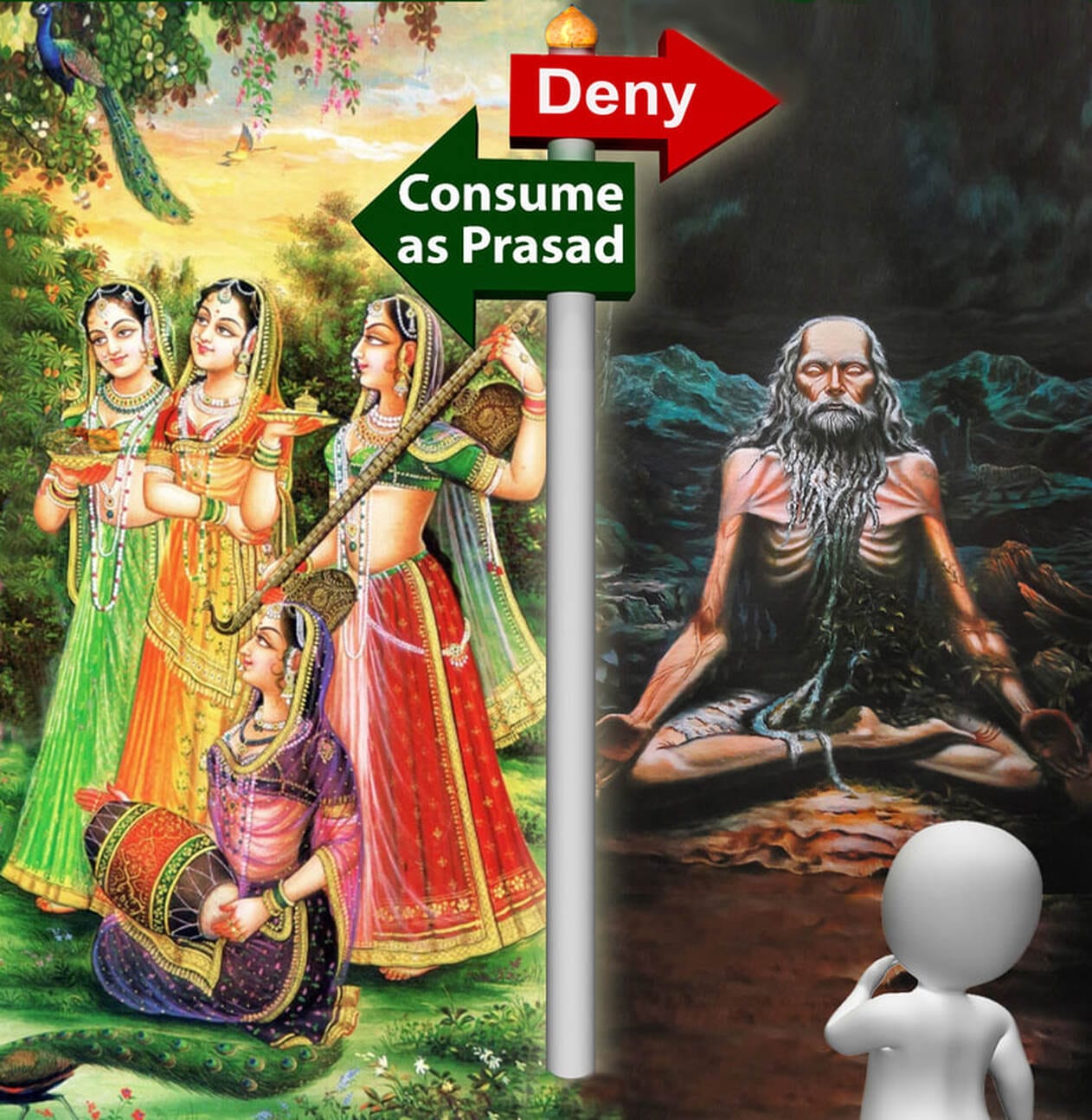
At first glance, one may wonder: if even deities require strict rules of worship, shouldn’t worship of the Supreme God require infinitely stricter rules?
Surprisingly, the opposite is true. Why?
Because God is not only Supreme, but also our eternal Father—gracious, forgiving, and compassionate. Just as a loving father overlooks the faults of his children and patiently guides them, God too has removed all preconditions from the path of devotion.
Bhakti requires no prior qualification.
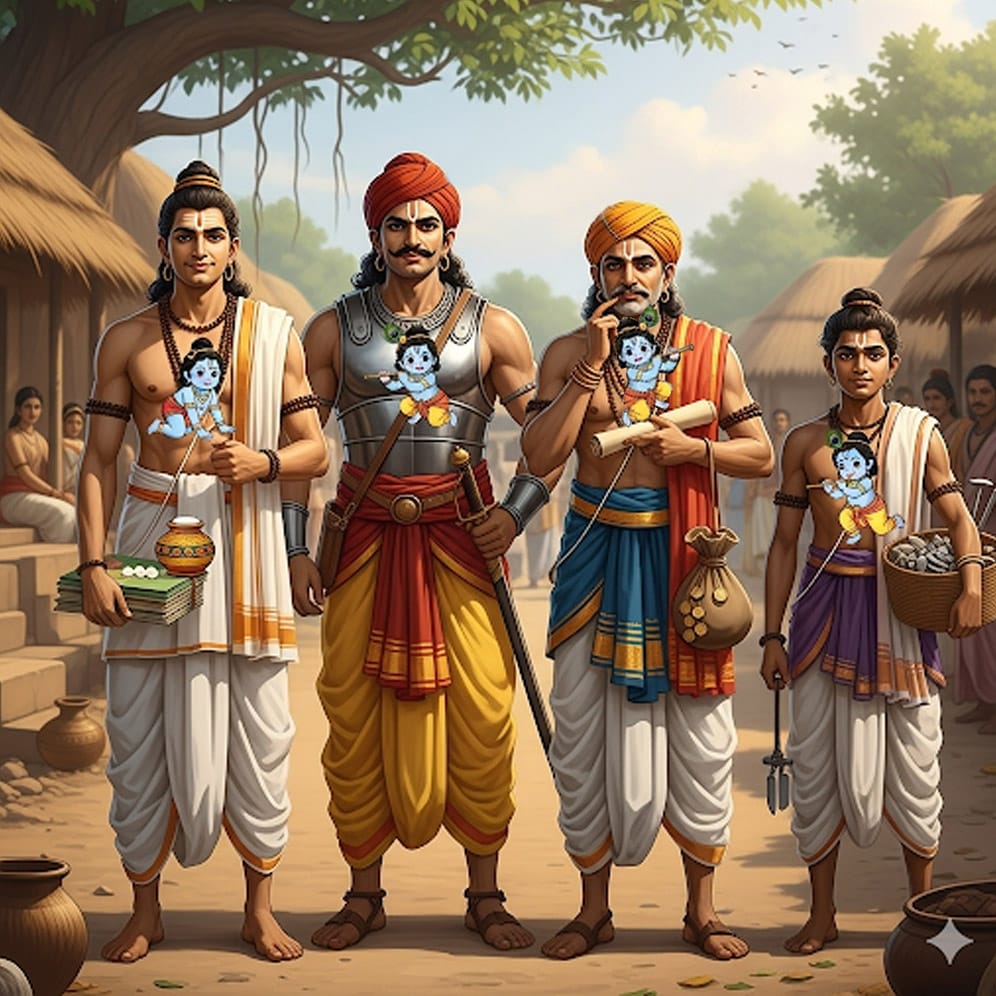
Whether one is learned or ignorant, virtuous or sinful, man or woman, child or elder—everyone is equally eligible. This is because every jiva has at least some detachment from the world (since no worldly joy is lasting) and some natural attraction towards God (since He alone is bliss).
Hence, bhakti is universal.